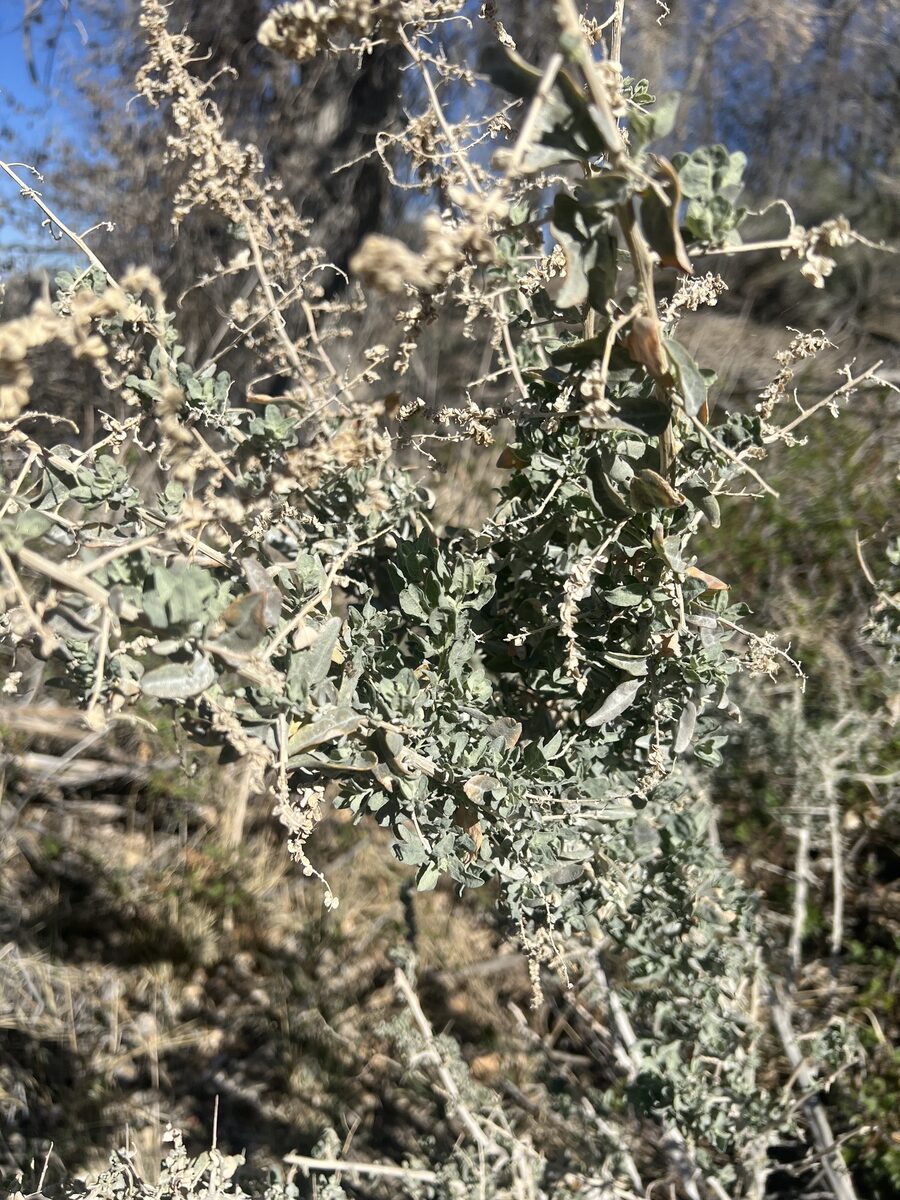
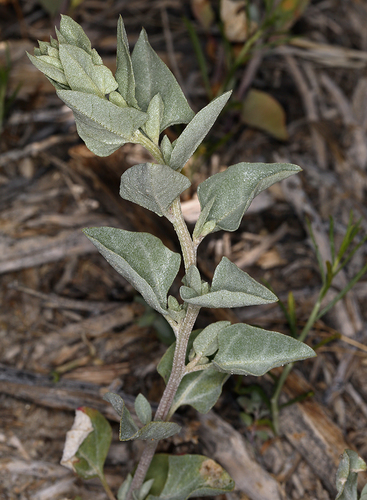
Haloxylon persicum
Bunge
Salt tree
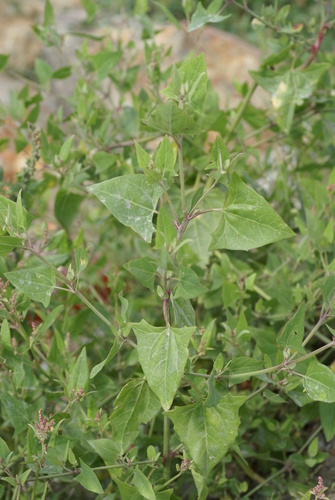
iNaturalist· cc-by-nc
(c) Наталья Бешко, some rights reserved (CC BY-NC), uploaded by Наталья Бешко
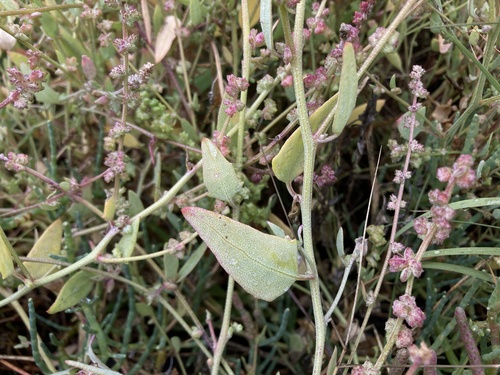
iNaturalist· cc-by-nc
(c) Abdul-lateef Ismail, some rights reserved (CC BY-NC), uploaded by Abdul-lateef Ismail
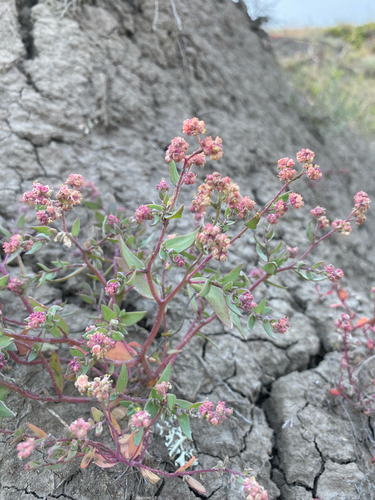
iNaturalist· cc-by-nc
(c) geodelyon, some rights reserved (CC BY-NC)
Summary
Source: WikipediaHaloxylon persicum, the white saxaul, is a small tree belonging to the family Amaranthaceae. Its range is Western Asia, including the Palestine region, Egypt, Sinai, Israel, South Iraq, Saudi Arabia, Iran, Oman, UAE, Afghanistan, Pakistan, Central Asia (Kyrgyzstan, Turkmenistan, etc.), and China (Xinjiang etc.).
Description
Evergreen tree reaching 4.5 m tall with flowers from May to June and seeds ripening September to October. Hermaphroditic. Prefers light sandy and medium loamy soils that are well-drained and poor in nutrients. Tolerates mildly acidic to basic and very alkaline and saline soils. Requires full sun and adapts to both dry and moist soils with excellent drought tolerance.
Edible Uses
No edible uses are currently known, despite oil being listed among the plant's products.
Medicinal Uses
No medicinal uses are known for this plant.
Distribution
It is a temperate or Mediterranean plant. It can grow in arid places.
Where It Grows
Africa, Asia, Central Asia, China, North Africa, Tajikistan,
Cultivation
A xerophytic shrub, it tolerates sub-zero temperatures but dislikes wet conditions. It will require a very sunny position in a very well-drained soil that is not too fertile. It probably tolerates saline and alkaline conditions.
Propagation
Sow seed in spring in a greenhouse. Once seedlings are large enough to handle, prick them out into individual pots and grow on under glass for at least the first winter. Plant out into permanent positions in late spring or early summer, after the last expected frosts. Cuttings of half-ripe wood can be taken in July/August and rooted in sand in a frame.
Other Uses
The plant has an extensive root system that makes it well suited for reafforestation and stabilizing sandy soils. The wood is durable, heavy enough to sink in water, and brittle but does not splinter; it is used in general carpentry. The wood is also highly valued as a fuel in its native range, burning well and producing good heat.
References (1)
- Brevard County Edible Acres