Bursera grandifolia
(Schltdl.) Engl.
Mulato
iNaturalist· cc-by-nc
(c) nasua, some rights reserved (CC BY-NC), uploaded by nasua
iNaturalist· cc-by-nc
(c) Bodo Nuñez Oberg, some rights reserved (CC BY-NC), uploaded by Bodo Nuñez Oberg
iNaturalist· cc-by
(c) Abraham Sánchez Romero, some rights reserved (CC BY), uploaded by Abraham Sánchez Romero
Summary
Source: WikipediaBursera grandifolia is a Mexican species of trees in the frankincense family in the soapwood order. It is widespread across much of Mexico from Sonora to the Yucatán Peninsula, and found also in Central America as far south as Costa Rica. Bursera grandifolia has leaves that are pinnately compound with 5 leaflets, each leaflet egg-shaped and 5–7 cm long, hairy on the underside but not on the topside. Drupes are egg-shaped with a few scattered hairs.
Description
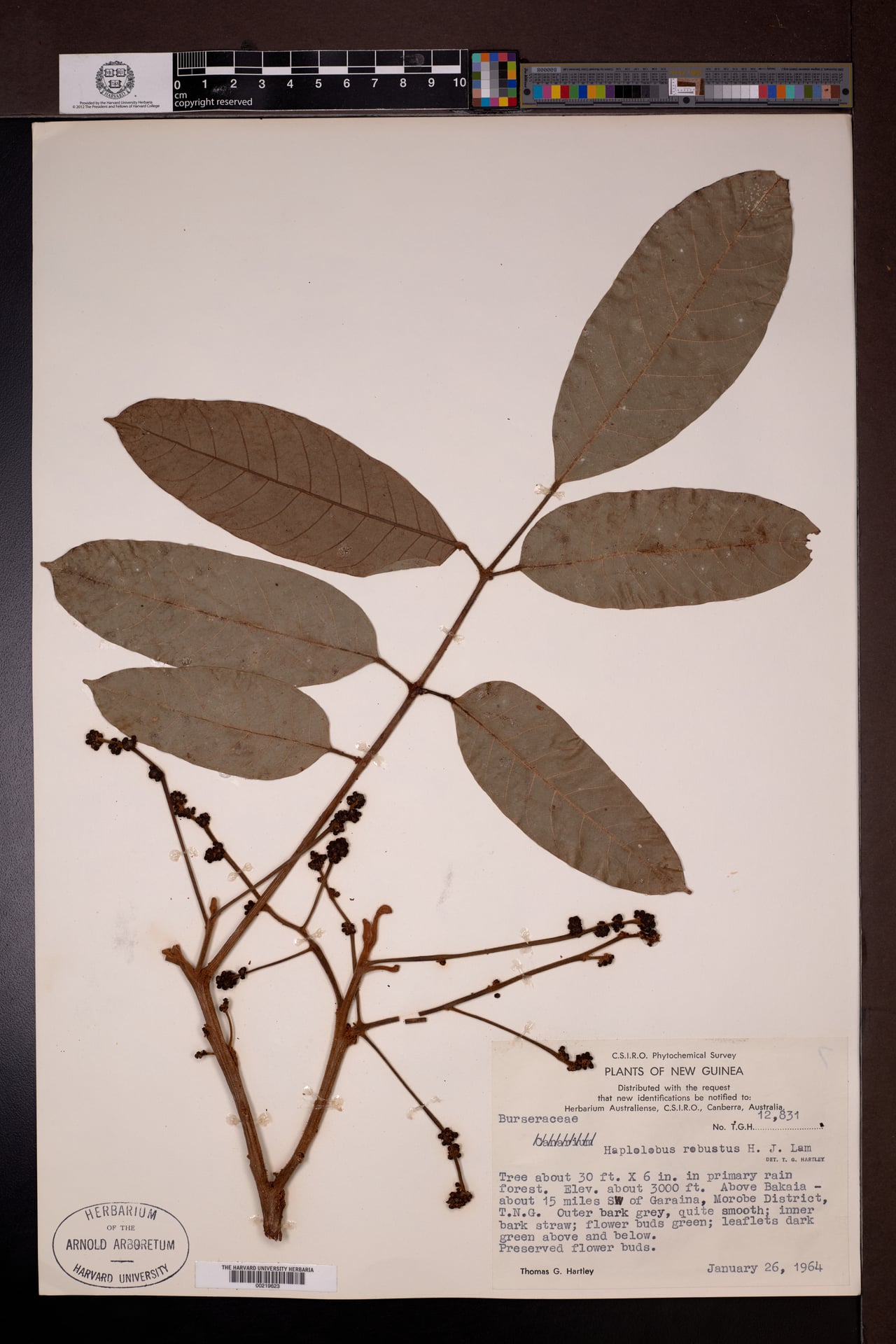
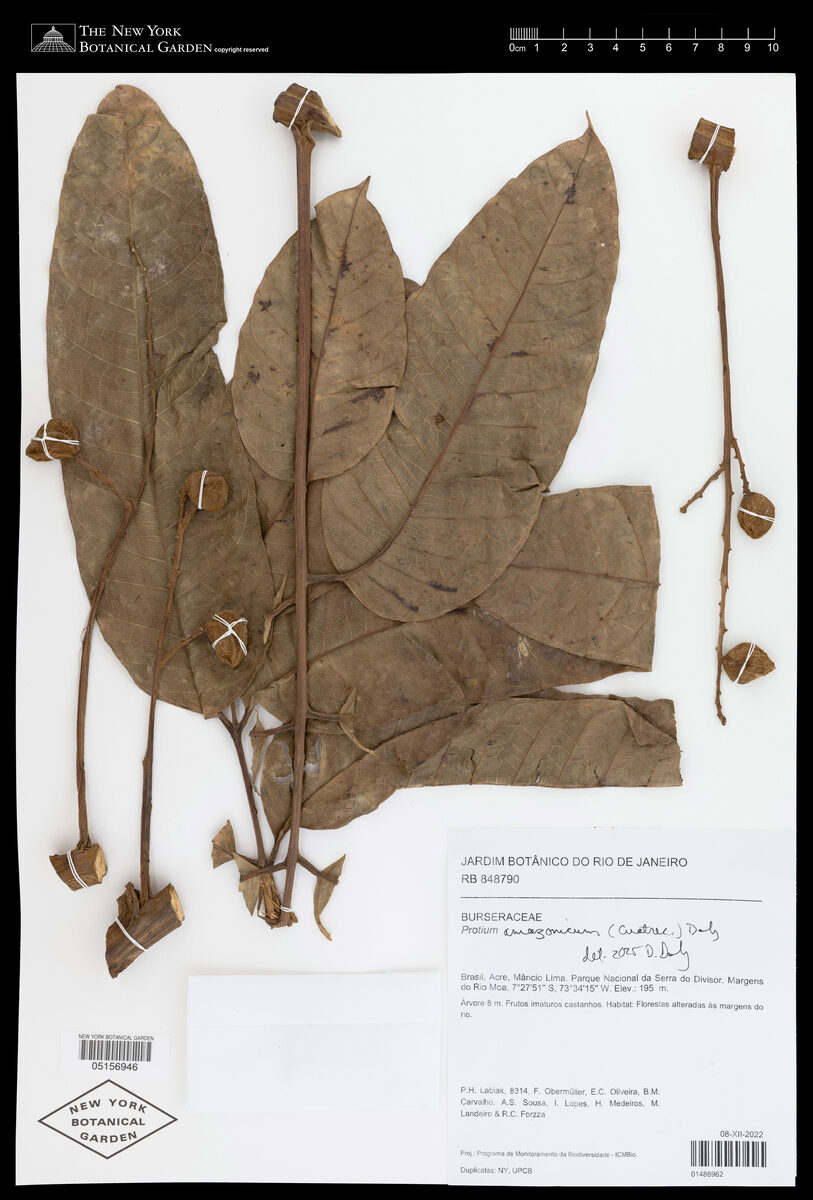
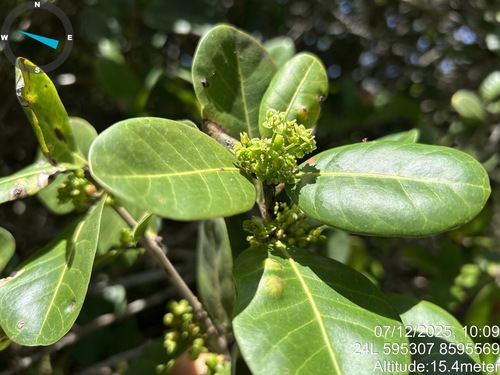
A tree. It grows 6-15 m tall. The bark is green to red with layers peeling off. It has large arching trunks that branch near the base. The leaves are compound with 5 leaflets. The leaflets are egg shaped and 5-7 cm long. They are hairy underneath. It loses its leaves in the dry season. The flowers are pink.
Edible Uses
The bark is brewed into a tea drink that is consumed regularly in some regions.
Traditional Uses
The bark is used to brew a tea drink. (It turns the urine red.)
This uses section is brief — help expand it
Medicinal Uses
The bark tea is traditionally used as a beverage.
Known Hazards
Drinking the bark tea turns the urine red.
Distribution
It is a tropical plant. It grows between 275-1,065 m above sea level.
Where It Grows
Central America, Costa Rica, Mexico,
Other Information
The tea is drunk regularly in some places.
Synonyms
Also Known As
Chicopun, Chutuma, Guande blanco, Iweri, Jiote blanco, Napitoro, Palo mulato, To'oro mulato
References (1)
- Yetman, D., 2002, The Guarijios of the Sierra Madre: Hidden People of Northwestern Mexico. University of New Mexico Press. p 187