Naringi crenulata
(Roxb.) Nicolson
Hesperethusa
iNaturalist· cc-by
(c) Siddarth Machado, some rights reserved (CC BY), uploaded by Siddarth Machado
iNaturalist· cc-by
(c) Siddarth Machado, some rights reserved (CC BY), uploaded by Siddarth Machado
iNaturalist· cc-by
(c) Siddarth Machado, some rights reserved (CC BY), uploaded by Siddarth Machado
Description
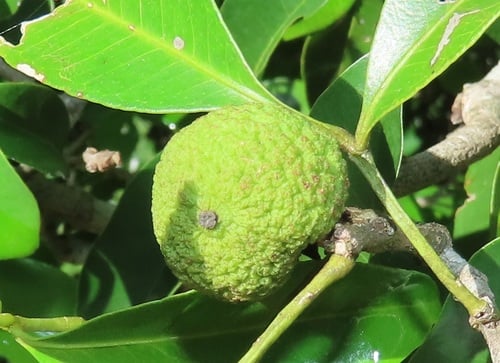
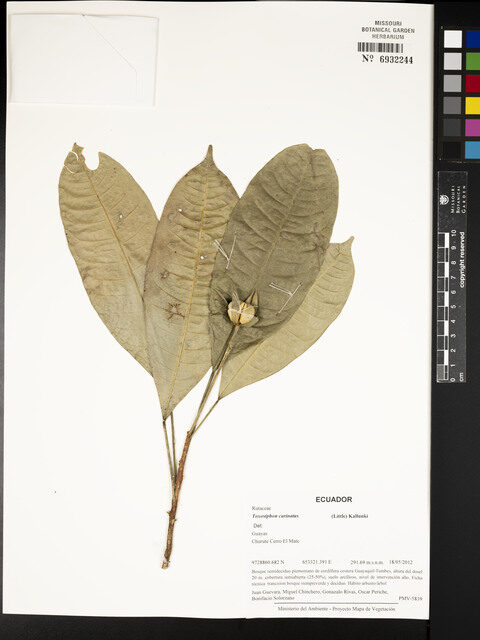
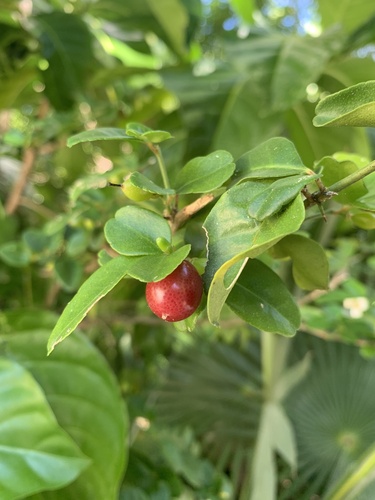
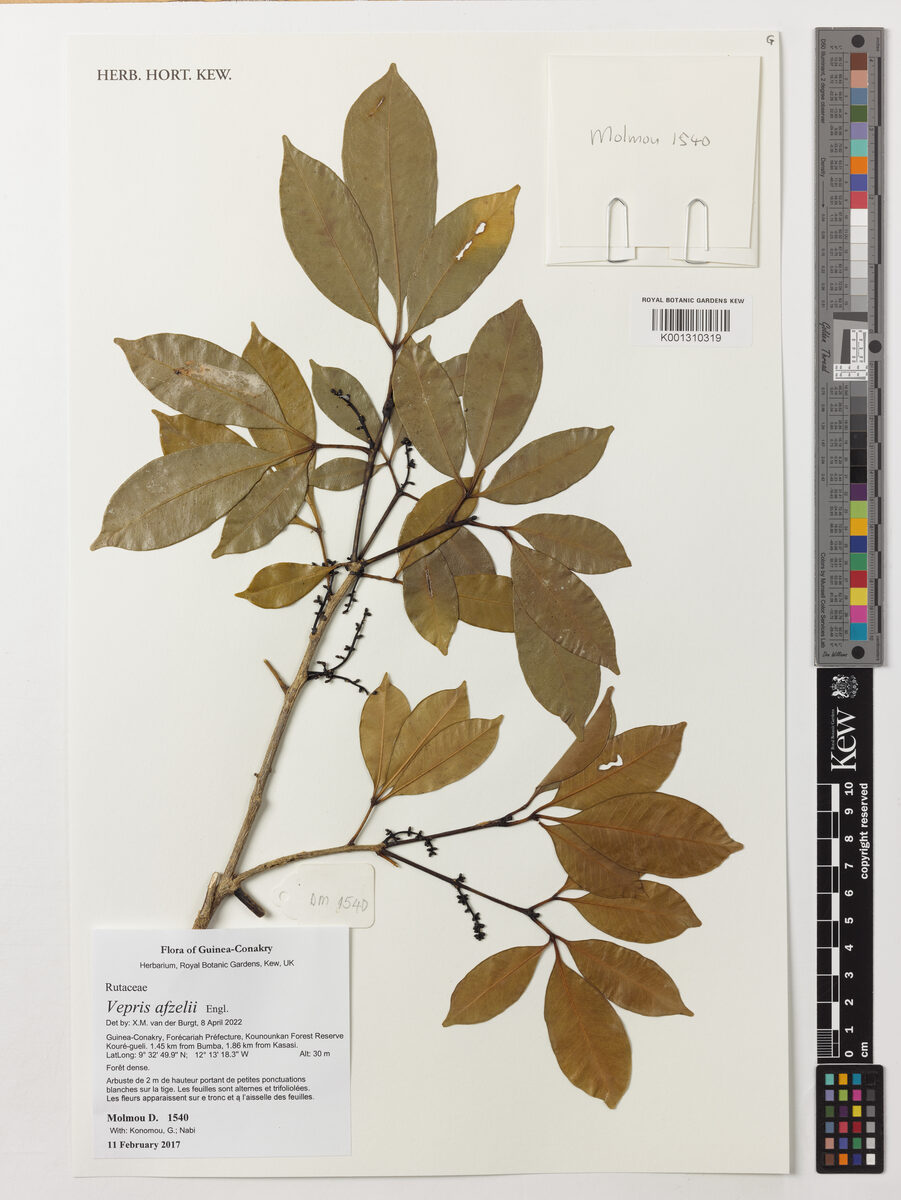
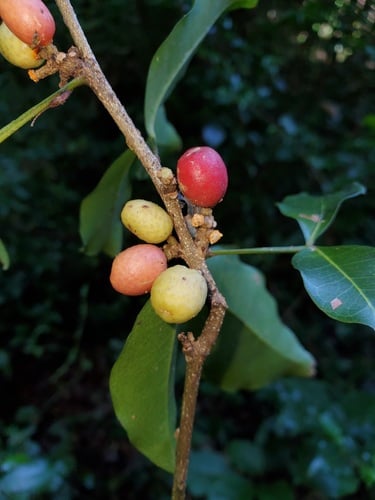
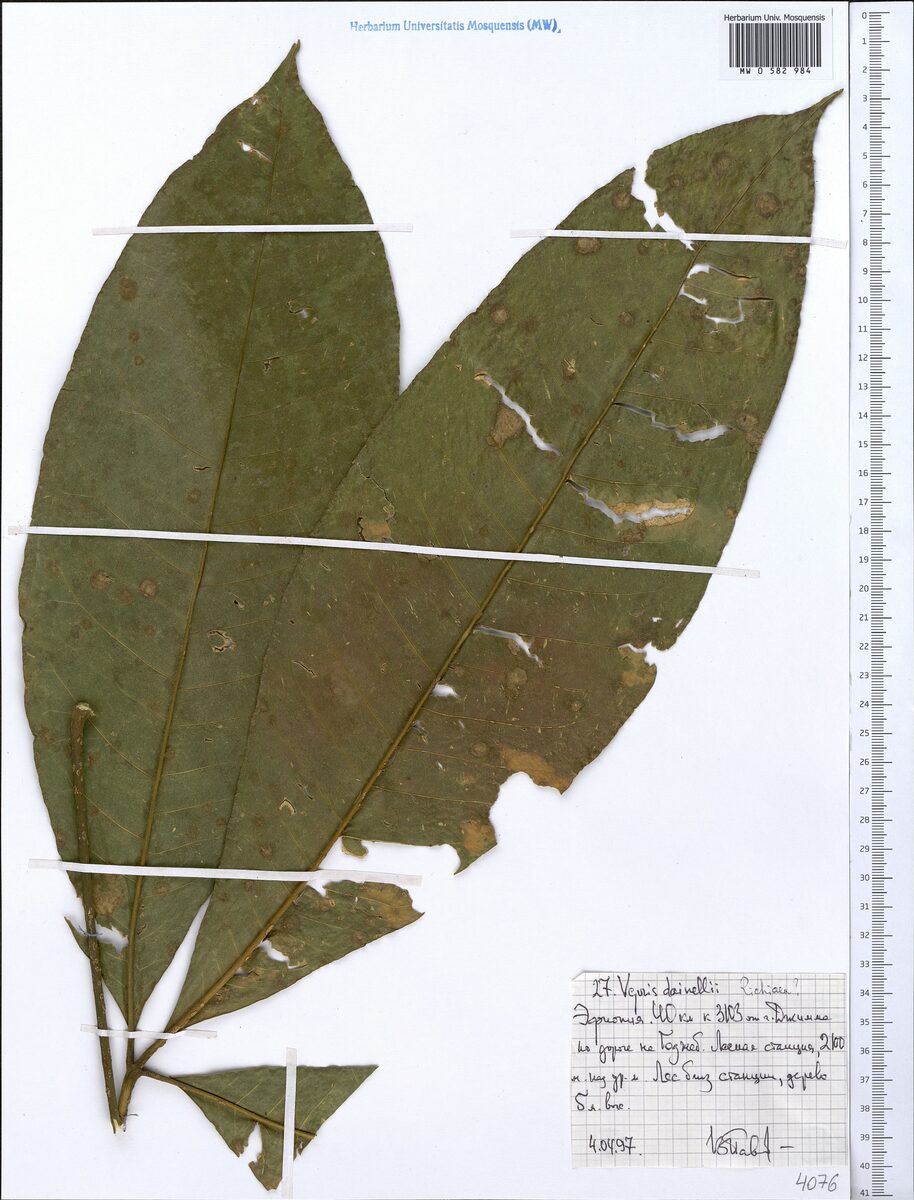
A tree. It grows 8-12 m tall. The trunk has branched thorns. The bark is dark grey and smooth. Young branches are smooth but have thorns. The leaves are compound with leaflets along the stalk and one at the end. The leaves are 15 cm long and alternate. There are 5-9 leaflets that are opposite each other. The leaves have rounded teeth along the edge. The flowers are white and have a scent and are in the axils of leaves. The fruit is a round berry with 1-4 seeds. The fruit is 6-8 mm across.
Edible Uses
The pulp of ripe fruit is eaten.
Traditional Uses
The pulp of the ripe fruit is eaten.
This uses section is brief — help expand it
Distribution
It is a tropical plant. It grows in dry deciduous forests. It grows in hills up to 1,300 m above sea level.
Where It Grows
Asia, Himalayas, India, Indochina, Laos, Myanmar, SE Asia,
Production
In south India plants flower and fruit June to December.
Notes
An unresolved name in The Plant List.
Synonyms
Also Known As
Benta, Cheriyakuttunaregam, Dadhiphala, Kaitha, Kath-bel, Kok kasung, Manmatham, Naringi mul, Okarikavela, Vilvam
References (7)
- Behera K. K., et al, 2008, Wild Edible Plants of Mayurbhanj District, Orissa, India. J. Econ. Taxon. Bot. Vol. 32 (Suppl.) pp 305-314
- Misra S. & Misra M., 2016, Ethnobotanical and Nutritional Evaluation of Some Edible Fruit Plants of Southern Odisha, India. International Journal of Advances in Agricultural Science and Technology, Vol.3 Issue.1, March- 2016, pg. 1-30
- Pradhan, R., et al, 2020, Potential Wild Edible Plants and its Significance in Livelihood of Indigenous People of Male Mahadeshwara Hills, Karnataka. Economic Affairs Vol. 64, No. 4 pp. 01-14
- Prixar, S., et al, 2006, Species composition, distribution and management of trees in paddy fields in central Laos. p 22
- Pullaiah, Y., Krishnamurthy, K. V. & Bahadur, B., (Eds.), 2016, Ethnobotany of India, Volume 1: Eastern Ghats and Deccan.
Show all 7 references Hide references
- Upreti, K., et al, 2010, Diversity and Distribution of Wild Edible Fruit Plants of Uttarakhand. Bioversity Potentials of the Himalaya. p 174
- Wiersema, J. H. & Leon, B., 2013, World Economic Plants. A Standard Reference CRC Press. 2nd Ed. p 462