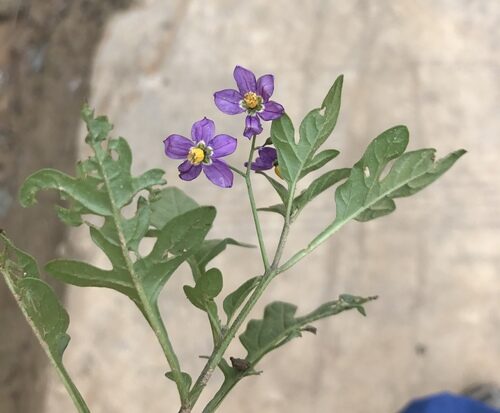
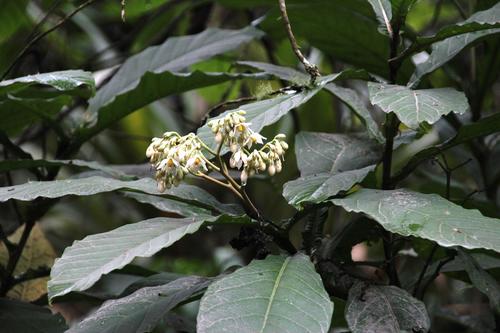
Solanum sibundoyense
(Bohs) Bohs
Sibundoy nightshade
wikimedia· cc-by-sa
Photo by and (c)2006 Derek Ramsey (Ram-Man) (via Wikimedia Commons)
wikimedia· cc-by-sa
Cyphomandra (via Wikimedia Commons)
gbif· cc-by
The New York Botanical Garden
wikimedia· cc-by-sa
Wikimedia Commons - Cyphomandra
wikimedia· cc-by-sa
Wikimedia Commons - Cyphomandra
gbif· cc-by-nc
Field Museum of Natural History - Botany Department | NSF/Mellon - GPI
Summary
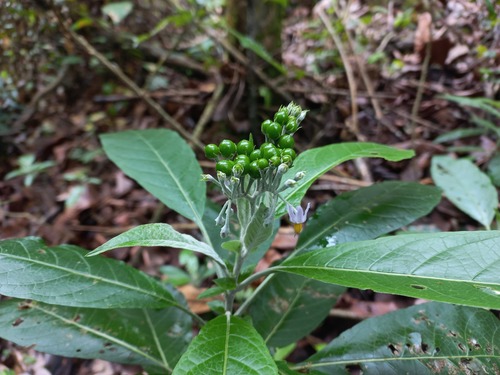
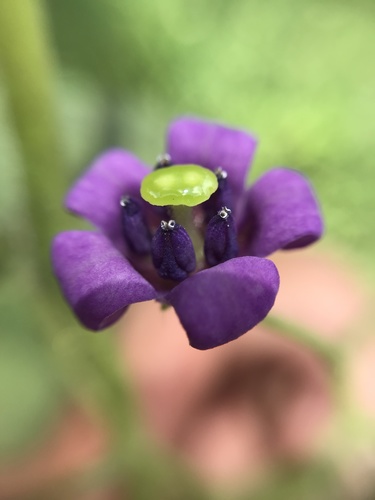
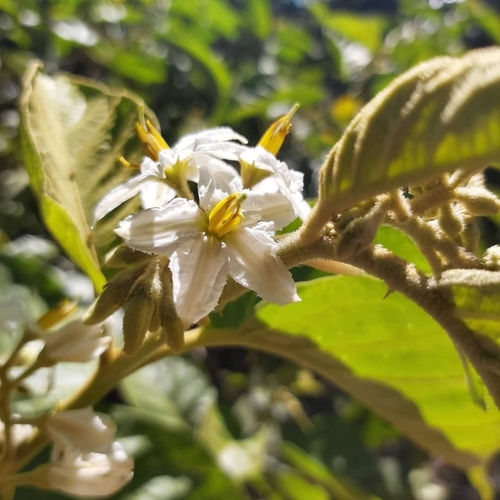
Source: WikipediaSolanum sibundoyense is a species of plant in the family Solanaceae. It is endemic to Colombia, specifically to Sibundoy and surrounding areas, and usually resides in cloud forests, 1400–2300 meters in elevation. It is also known as tomate salvaje or tomate silvestre to natives of Colombia, and also sometimes called Cyphomandra sibundoyensis. It's a small tree 4–8 m tall. Stems glabrous or sparsely puberulent with glandular and eglandular hairs less than 0.5 mm long.
Description
A shrub or small tree. It grows 4-8 m tall. The stems can have soft hairs. The fruit have a purple layer of flesh around the seeds.
This description is brief — help expand it
Edible Uses
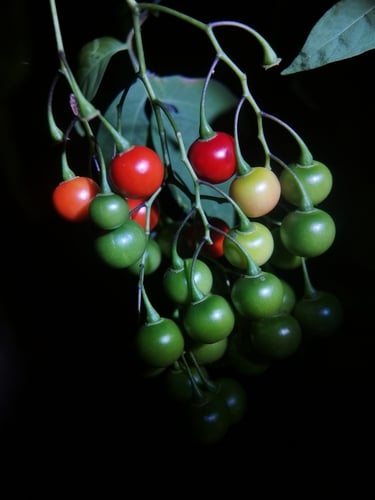
Fruits - raw or cooked. The fruit pulp is sweet, juicy, and pleasant-tasting and an attractive purplish layer surrounds the seeds. The yellow or orange, ellipsoidal, ovoid, or globose fruit is around 60 - 100mm x 55 - 70mm.
Traditional Uses
The fruit are eaten.
This uses section is brief — help expand it
Medicinal Uses
The fruits are edible and have a pleasant acidulous taste. The plant produces some of the largest fruits known in section Pachyphylla. The fruit pulp of some trees is sweet, juicy, and pleasant-tasting, and in others it is acidulous, and without any sweetness. A purplish layer of soft pulp surrounds the seeds. Fruits ripen slowly, but once ripe their shelf life is longer than that of the tamarillo. Although a good candidate for trial as a fruit crop, it may be difficult to successfully cultivate this species outside the specialized climate of southern Colombia where it is native. In New Zealand, it was noted that trees cultivated in semi-shade set large crops of fruit, but plants grown in full sun performed very poorly. The trees were somewhat subject to branch die-back on fruiting branches. Historically, the fruit has been used to make black, blue, or yellow dye by the natives of the Sibundoy Valley of southern Colombia. Some sources show that the placenta of the fruit may be used as a cure for intestinal worms. Schultes and Raffauf (1990) report that the Kamsá Indians of the Sibundoy Valley (southwestern Colombia) use a decoction of the leaves for this purpose.
Known Hazards
Although providing many well-known foods for people, including the potato, tomato, pepper and aubergine, most species in this genus also contain toxic alkaloids. Whilst these alkaloids can make the plant useful in treaing a range of medical conditions, they can also cause problems such as nausea, vomiting, salivation, drowsiness, abdominal pain, diarrhoea, weakness and respiratory depression. Unless there are specific entries with information on edible uses, it would be unwise to ingest any part of this plant.
Distribution
It is a tropical plant. It grows in cloud forests between 1,400-2,300 m above sea level. It needs to be in light shade.
Where It Grows
Andes, Colombia*, New Zealand, South America,
Propagation
Seed - sow in trays in a nursery. Prick out the seedlings into individual pots when they are large enough to handle and grow them on fast. Plant them out when 10cm or more tall. Cuttings of half-ripe wood. Very easy, the cuttings root within a couple of weeks.
Production
Fruit ripen slowly but can be stored for a reasonable time.
Other Information
It is cultivated.
Synonyms
Also Known As
Tomate salvaje, Tomate silvestre
References (7)
- Grandtner, M. M. & Chevrette, J., 2013, Dictionary of Trees, Volume 2: South America: Nomenclature, Taxonomy and Ecology. Academic Press p 620
- Kermath, B. M., et al, 2014, Food Plants in the Americas: A survey of the domesticated, cultivated and wild plants used for Human food in North, Central and South America and the Caribbean. On line draft. p 824
- Lopez-Diago, D. & Garcia, N., 2021, Wild edible fruits of Colombia. Biota ColomBiana 22 (2) p 52
- Roa, J. A. G. & Boada, D. S. G., 2018, Fundación para el Fortalecimiento de la Fruticultura y Plantas Alimenticias no Convencionales en Colombia.
- Wiersema, J. H. & Leon, B., 2013, World Economic Plants. A Standard Reference CRC Press. 2nd Ed. p 647
Show all 7 references Hide references
- Wikipedia
- World Checklist of Useful Plant Species 2020. Royal Botanic Gardens, Kew