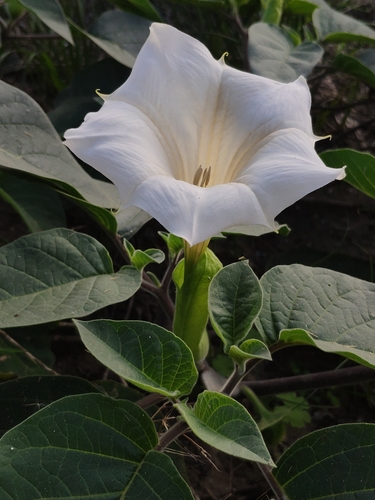
Solanum cajanumense
Kunth
Casana
iNaturalist· cc-by-nc
(c) Apipa, some rights reserved (CC BY-NC)
iNaturalist· cc-by-nc
(c) Apipa, some rights reserved (CC BY-NC)
iNaturalist· cc-by-nc
(c) Apipa, some rights reserved (CC BY-NC)
Summary
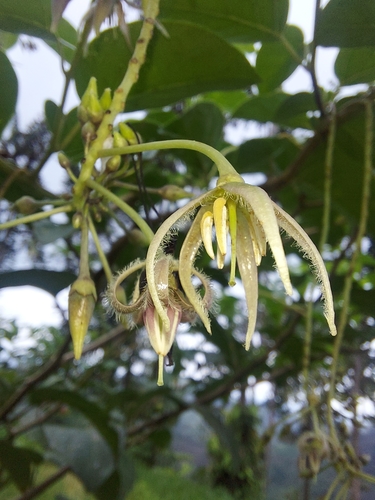
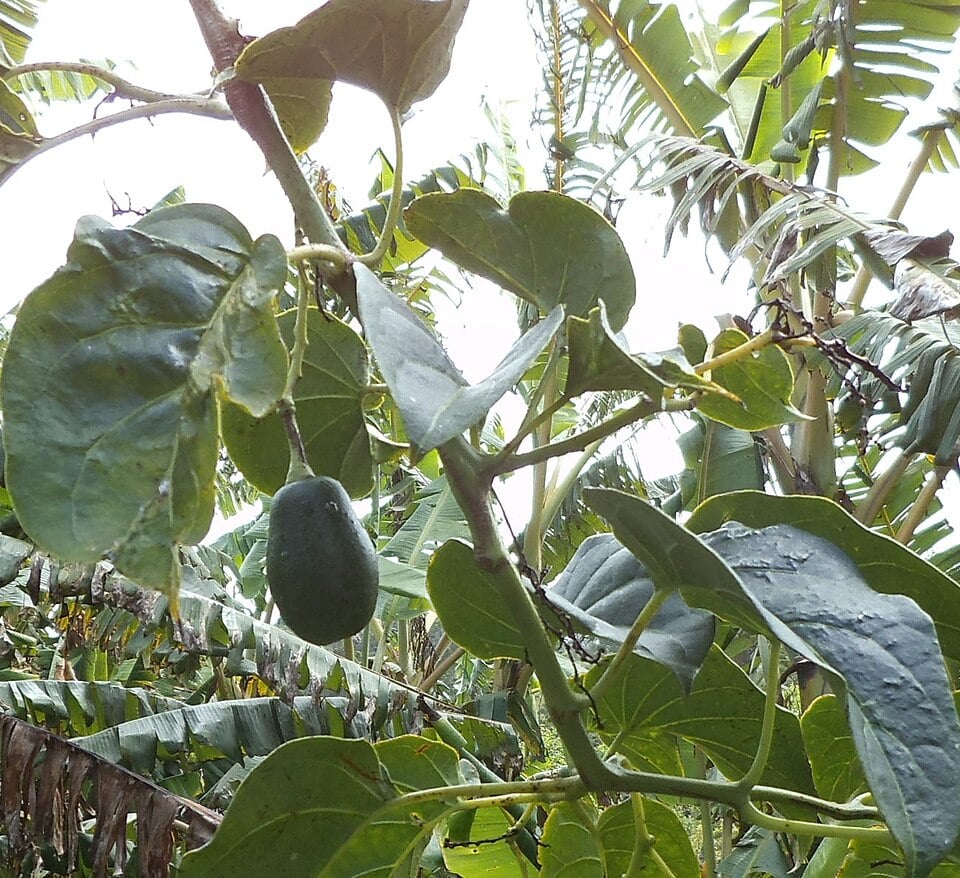
Source: WikipediaSolanum cajanumense (also known as casana) is a species of plant in the family Solanaceae. It is found in Colombia, Ecuador, and Peru. Intolerant of heat, frost, or direct sunlight, Solanum cajanumense seems to prefer cloud forest-type growing conditions, which limits its future agricultural potential. As with most solanaceae, most parts of the plant are toxic, but casana produces an edible, yellow fruit similar in appearance to, but smaller than the closely related tamarillo. An attempt at commercial cultivation was made in New Zealand in the 1980s, though an overall lack of selective breeding, the unpredictability of fruit flavor (usually very sweet, but sometimes sour or bitter), the somewhat delicate nature of this shade-loving plant, and an attractiveness to pests like aphids, white flies and spider mites all caused those domestication efforts to fail. On rare occasions, it is encountered as a dooryard fruit tree.
Description
A fast-growing tropical shrub or small tree in the Solanaceae family with golden-yellow fruits, found in cloud forests at 1,500-3,000 m elevation. It thrives in cool, shady conditions but cannot tolerate frost.
Edible Uses
Fruit. The fruit is best eaten in a fresh ripe state. Golden yellow when fully ripe, the pulp is fragrant, sweet and juicy. Some say that the flavour is like a blend of peach and tomato, whilst others say it is like a passion fruit or a juicy Thompson seedless grape. The yellow, ellipsoidal fruits are 45 - 100mm long and 25 - 45mm in diameter.
Traditional Uses
The ripe fruit are edible. Caution: Other parts of the plant are toxic.
This uses section is brief — help expand it
Known Hazards
The unripe fruit is slightly toxic. Although providing many well-known foods for people, including the potato, tomato, pepper and aubergine, most species in this genus also contain toxic alkaloids. Whilst these alkaloids can make the plant useful in treaing a range of medical conditions, they can also cause problems such as nausea, vomiting, salivation, drowsiness, abdominal pain, diarrhoea, weakness and respiratory depression. Unless there are specific entries with information on edible uses, it would be unwise to ingest any part of this plant.
Distribution
It is a tropical plant. It needs cool shady conditions but cannot tolerate frost. It grows in cloud forest. It grows between 1,500-3,000 m above sea level.
Where It Grows
Amazon, Andes, Colombia, Ecuador, New Zealand, Peru, South America*,
Cultivation
It is fast growing.
Propagation
Seed - usually germinates within 4 weeks at 15°c, within 2 weeks at 25°c. When they are large enough to handle, prick the seedlings out into individual pots and grow them on until large enough to plant out. Cuttings of greenwood.
Other Information
It is being explored as a possible commercial crop in New Zealand. It is cultivated.
Synonyms
Also Known As
Cajanuma nightshade, Mihinkas, Nanagonkawe, Pepinello, Pepino de campo, Tomate silvestre
References (9)
- Wikipedia
- Gori, B., et al, 2022, Understanding the diversity and biogeography of Colombian edible plants. Scientific Reports 12:7835
- Grandtner, M. M. & Chevrette, J., 2013, Dictionary of Trees, Volume 2: South America: Nomenclature, Taxonomy and Ecology. Academic Press p 614
- Kermath, B. M., et al, 2014, Food Plants in the Americas: A survey of the domesticated, cultivated and wild plants used for Human food in North, Central and South America and the Caribbean. On line draft. p 815
- Oldfield, S., et al, 1998, The World List of Threatened Trees. World Conservation Press. p 518
Show all 9 references Hide references
- Roa, J. A. G. & Boada, D. S. G., 2018, Fundación para el Fortalecimiento de la Fruticultura y Plantas Alimenticias no Convencionales en Colombia.
- Torre, de la, L., et al, 2008, Enciclopedia de las Plantas Útiles del Ecuador. Herbario QCA. Pontificia Universidad Católica del Ecuador. p 590
- Van den Eynden, V., & Cueva, E., 2008, Las plantas en la alimentacion. Enciclopedia de las Plantas Utiles del Ecuador. Herbario QCA & Herbario AAU. Quito & Aarhus. 2008: 62–66
- World Checklist of Useful Plant Species 2020. Royal Botanic Gardens, Kew