Chytranthus macrobotrys
(Gilg) Exell et Mendonca
gbif· cc-by-nc-sa
MBG
gbif· cc-by-nc-sa
MBG
gbif· cc-by-nc-sa
MBG
Description
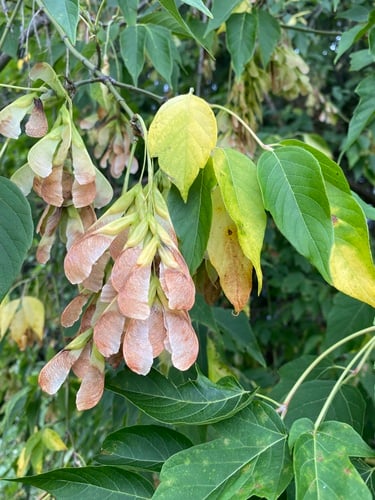
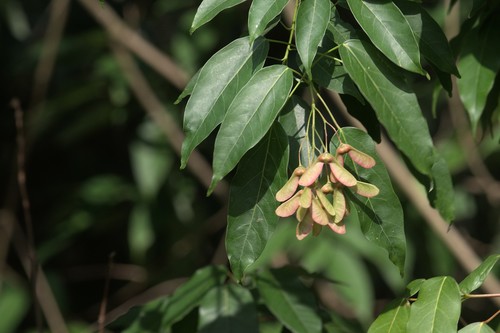
A small tree. It grows 8 m tall. The leaves are 60 cm long and opposite. They are compound with 6 leaflets. Each leaflet is 30 cm long by 10 cm wide. The flowers grow on the stem. They are in long groups 20 cm long. The flowers are very small, white and cup shaped. About 5-10 fruit grow from each flowering stalk. The fruit are green and fluted. There are several large seeds. These can be 4 cm long by 2 cm wide. They are brown and flat.
Edible Uses
The large seeds are boiled and eaten after removing the skin. The spongy flesh of the fruit is used to make a drink.
Traditional Uses
The seeds are boiled and eaten after the skin is taken off. The spongy flesh of the fruit is used to make a drink.
This uses section is brief — help expand it
Medicinal Uses
The spongy flesh of the fruit is traditionally used to make a drink.
Distribution
A tropical plant.
Where It Grows
Africa, Cameroon, Central Africa, Central African Republic, CAR, Congo DR, Congo R, Gabon, Ghana, Nigeria, West Africa,
Cultivation
Plants are grown from seed.
Production
Fruiting is seasonal.
Synonyms
Also Known As
Adigi, Banjeje, Bodumbe, Bonsow, Bosbume, Bosemu, Bosew, Botokolo, Dugu, Dugulu, Gesumba, Inzium, Lipueso, Lotokolo, Okene, Otoko, Sin, Tokolo
References (9)
- Danforth, R.M., & Boren, P.D., 1997, Congo Native fruits. Twenty-five of the best. Privately published. p 44
- Hauman, L., 1960, Flore du Congo Belge et du Ruanda-Urundi: Sapindaceae. vol. 9, p. 351
- Jardin, C., 1970, List of Foods Used In Africa, FAO Nutrition Information Document Series No 2.p 41
- Keay, R.W.J., 1989, Trees of Nigeria. Clarendon Press, Oxford. p 363
- Mosango M., Szafranski F., 1985, Plantes sauvages à fruits comestibles dans les environs de Kisangani (Zaïre). In: Journal d'agriculture traditionnelle et de botanique appliquée, 32e année, pp. 177-190
Show all 9 references Hide references
- Nkeoua, G. & Boundzanga, G. C., 1999, Donnees sur les produits forestieres non ligneux en Republique du Congo. FAO. p 22
- Termote, C., et al, 2011, Eating from the wild: Turumbu, Mbole and Bali traditional knowledge of non-cultivated edible plants, District Tshopo, DRCongo, Gen Resourc Crop Evol. 58:585-618
- The Digital Flora of Central Africa, 2013, (Democratic Republic of Congo, Rwanda & Burundi) Botanical Garden Meise
- World Checklist of Useful Plant Species 2020. Royal Botanic Gardens, Kew