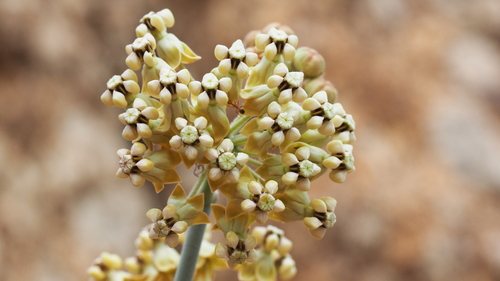
Secamone emetica
(Retz.) R. Br. ex Schult.
Emetic secamone
iNaturalist· cc-by-sa
(c) Vikas D Prasad, some rights reserved (CC BY-SA), uploaded by Vikas D Prasad
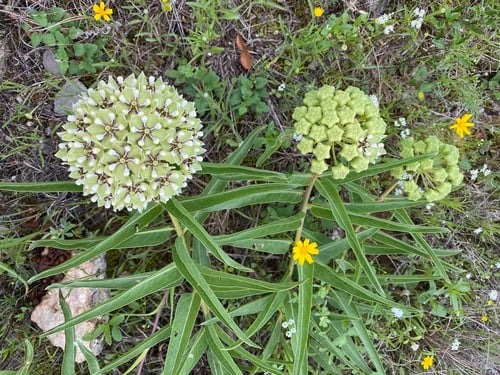
iNaturalist· cc-by-nc
(c) Arun N, some rights reserved (CC BY-NC)
Description
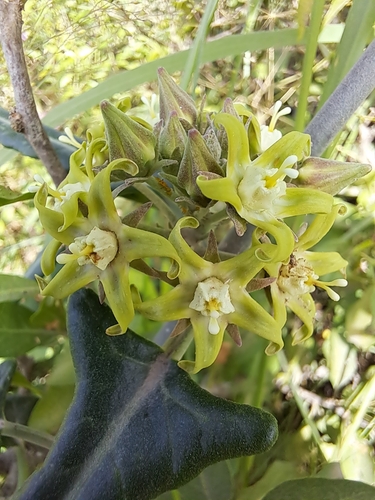
A climbing shrub. It grows 8 m long. The leaves are 4-6 cm long by 1.5 cm wide. They are narrowly oval and pointed at the tip. The base narrows into the stalk. The edges are curved under. They are velvety underneath. The flowers are in groups in the axils of leaves. The seed pods are in pairs. They are 7.5 cm long by 0.5 cm wide. They are blunt at the base and taper to the tip.
Edible Uses
The fruit is eaten both ripe and unripe.
Traditional Uses
The fruit is eaten both ripe and unripe.
This uses section is brief — help expand it
Distribution
It is a tropical plant. It grows in forested hills.
Where It Grows
Asia, India, Sri Lanka,
Production
In south India plants flower July to October.
Notes
The roots are used in medicine.
Synonyms
Also Known As
Ankaravali, Antattankam, Karuppattikodi, Kondam, Shadburi, Siranige hambu, Siruathankodi, Sodalie
References (2)
- Arinathan, V., et al, 2007, Wild edibles used by Palliyars of the western Ghats, Tamil Nadu. Indian Journal of Traditional Knowledge. 6(1) pp 163-168
- Ramachandran, V. S., 2007, Wild edible plants of the Anamalais, Coimbatore district, western Ghats, Tamil Nadu. Indian Journal or Traditional Knowledge. 6(1) pp 173-176