Urtica ardens
Link
iNaturalist· cc-by-nc
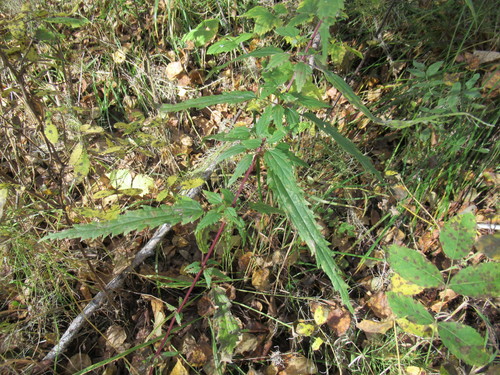
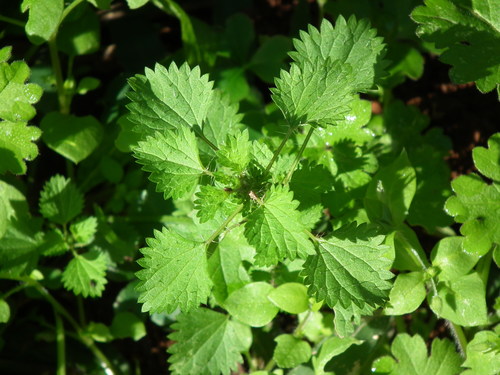
(c) Vikram Singh, some rights reserved (CC BY-NC), uploaded by Vikram Singh
iNaturalist· cc-by-nc
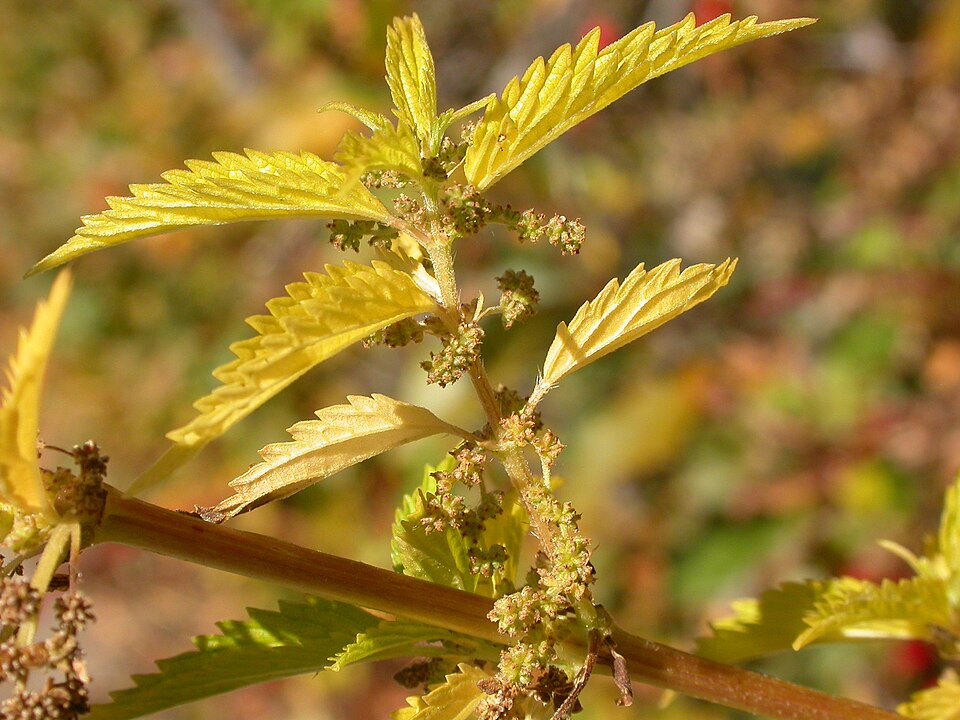
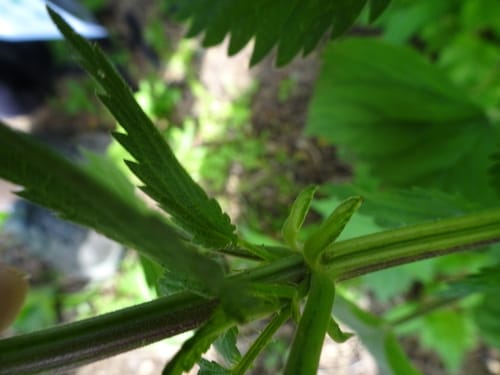
(c) T. Abe Lloyd, some rights reserved (CC BY-NC)
iNaturalist· cc-by-nc
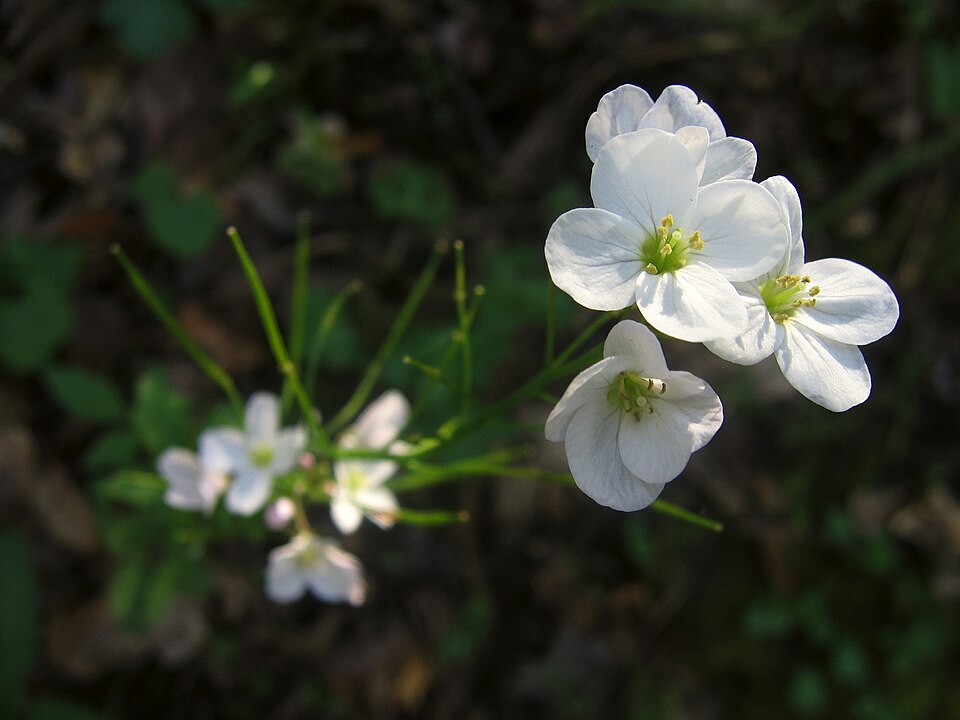
(c) T. Abe Lloyd, some rights reserved (CC BY-NC)
Description
A shrub. It keeps growing from year to year. The rhizomes are woody. The stems are branched. It grows 1.5 m tall. It has some stinging hairs. The leaf blade is narrowly oval and 5-15 cm long by 2-6 cm wide. There are teeth around the edge.
Edible Uses
Urtica is an ingredient in soups, omelettes, banitsa, purée, and other dishes. In Mazandaran, northern Iran, a soup (Āsh) is made using this plant. Nettles were used in traditional practices to make nettle tea, juice, and ale, and to preserve cheeses, such as in Cornish Yarg.
Traditional Uses
The leaves, flowers and fruit are cooked and eaten as a vegetable.
This uses section is brief — help expand it
Known Hazards
Besides the stinging hairs in general, in New Zealand U. ferox is classified as a poisonous plant, most commonly upon skin contact.
Distribution
It is a subtropical plant. It grows in open or slightly shady places in forests. In south China it grows near streams between 2,400-2,700 m above sea level. In Yunnan. In India it is recorded up to 5,940 m above sea level.
Where It Grows
Asia, Bhutan, China, Himalayas, India, Nepal, Northeastern India, Pakistan, Sikkim, Tibet,
Synonyms
Also Known As
Bichchhu ghas, Kushka, Sadder, Sisno-ghariya
References (4)
- Agarwal, R. & Chandra, V., 2019, Diversity of wild edible plants in the Mandal-Chopta forest, Uttarakhand. Journal of Medicinal Plants Studies 2019; 7(1): 89-92
- Mehta, P. S. et al, 2010, Native plant genetic resources and traditional foods of Uttarakhand Himalaya for sustainable food security and livelihood. Indian Journal or Natural products and Resources. Vol 1(1), March 2010 pp 89-96
- Namrata, et al, 2011, Wild Edible Plants of Uttarakhand Himalaya: A Potential Nutraceutical Source. Research Journal of Medicinal Plant. (5) 6: 670-684
- Pandey, K. C. & Pande, N., 2016, Ethnobotanical Documentation of Wild Edible Plants used by Gujjar Community of Tarai West Forest Division Ramnagar, Nainital, India, Current World Environment. Vol. 11(3), 808-818