Prunus napaulensis
(Ser.) Steud
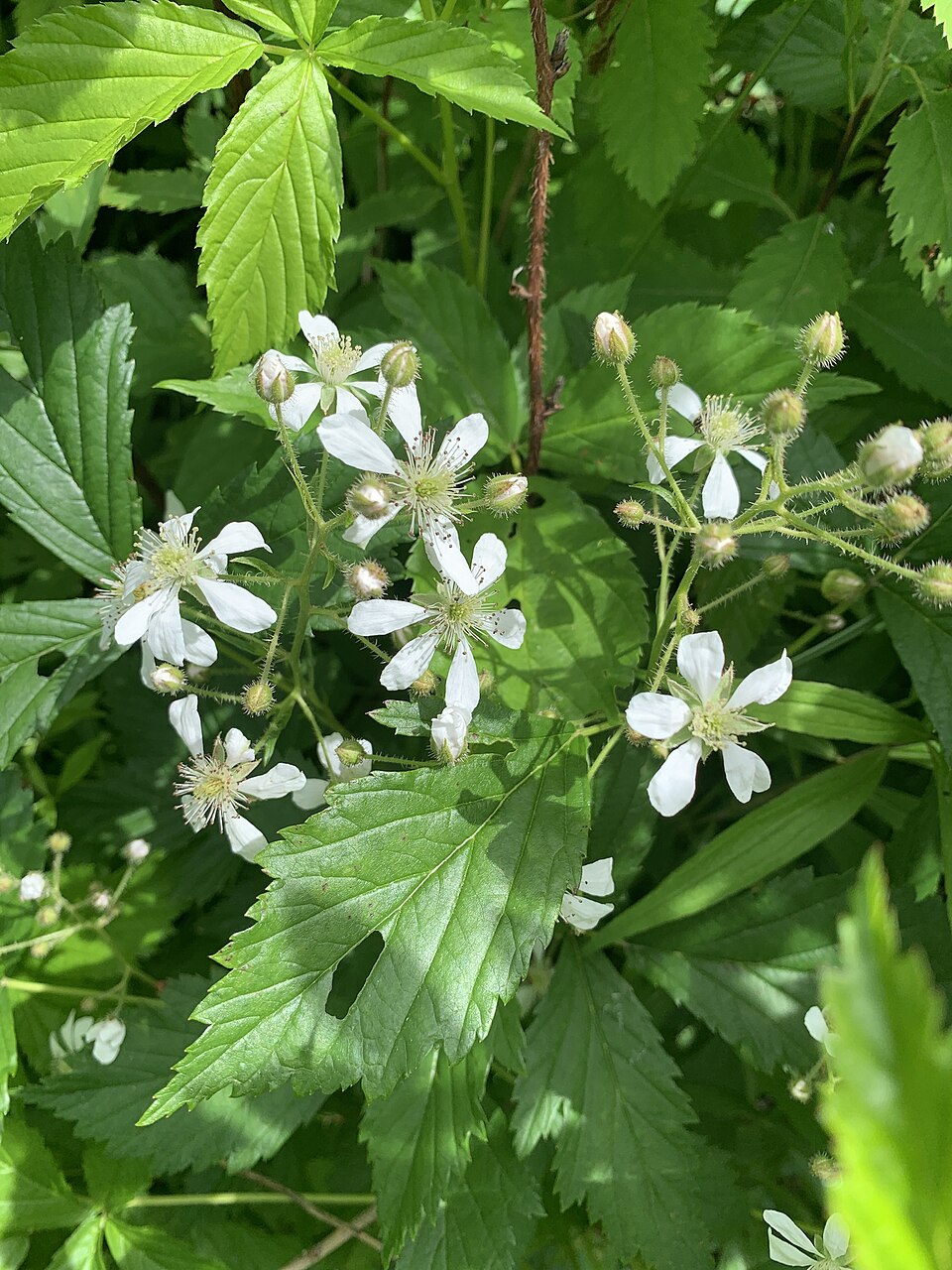
iNaturalist· cc-by-nc
(c) Shanta Budha-Magar, some rights reserved (CC BY-NC), uploaded by Shanta Budha-Magar
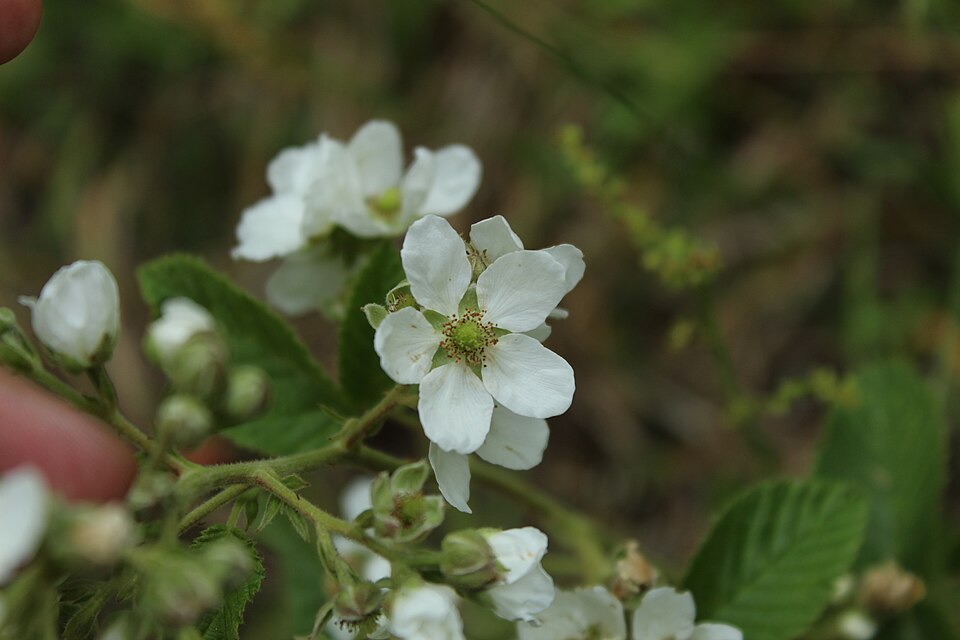
iNaturalist· cc-by-nc
(c) Bon Pradhan, some rights reserved (CC BY-NC)
Summary
Source: WikipediaPrunus napaulensis is a species of bird cherry native to the eastern foothills of the Himalayas, including Nepal, Myanmar and China. A tree, it can reach 27 m and prefers to grow between 1800 and 3000 m above sea level. The fruit is edible, and it is cultivated for its fruit in Assam and Ukhrul District, Manipur (and presumably elsewhere). Its wood is used locally for making furniture. It goes by many common names across its range, including jangali aru and arupate (Nepalese), arupaty (Bengali), sohiong (Khasi), sajong (Assamese), theikanthei in Tangkhul, and 粗梗稠李 "crude stalk thick plum" (Chinese). Prunus bracteopadus is a very similar species, possibly conspecific.
Description
A tree. It loses its leaves during the year. It grows 20 m tall. The bark is smooth and dark brown. The leaves are 6-18 cm long by 2-5 cm wide. They have fine teeth along the edge. The flowers are white. The fruit are oval and 15 mm long by 13 mm wide. They become purplish-black when ripe. There is one large seed.
Edible Uses
The fruit can be eaten raw or cooked; it is ovoid, measuring about 15mm x 13mm, and contains one large seed. The seed is also edible raw or cooked, but should not be eaten if it tastes too bitter.
Traditional Uses
The ripe fruit are eaten. They are eaten raw or cooked. They are also made into juice. The seeds are cooked and eaten providing they are not too bitter due to cyanide. Cooking can remove cyanide.
Medicinal Uses
No specific medicinal use has been recorded for this species, but all members of the genus contain amygdalin and prunasin, which break down in water to form hydrocyanic acid (prussic acid). In small amounts this highly poisonous compound stimulates respiration, improves digestion, and produces a sense of well-being.
Known Hazards
Seeds contain compounds producing cyanide when broken down. Do not consume bitter seeds.
Distribution
It is a subtropical plant. It grows between 1,600-2,600 m above sea level in the Himalayas. It suits hardiness zones 6-9.
Where It Grows
Asia, Bhutan, China, Himalayas, India, Myanmar, Nepal, Northeastern India, SE Asia, Sikkim,
Propagation
Seed requires 2–3 months of cold stratification and is best sown in a cold frame as soon as it is ripe. Stored seed should be sown in a cold frame as early in the year as possible, with protection from mice. Germination can be slow, sometimes taking 18 months. Prick seedlings into individual pots when large enough to handle, overwinter in a greenhouse or cold frame, then plant out in late spring or early summer the following year. Half-ripe cuttings with a heel can be taken in July/August in a frame; softwood cuttings from vigorous plants in spring to early summer in a frame. Layering in spring is also an option.
Other Uses
A green dye can be obtained from the leaves, and a dark grey to green dye from the fruit. The wood is moderately hard and even-grained, and is used for timber and fuel.
Synonyms
Also Known As
Arupate, Bamhalu, Bhambhalu, Delaoji, Lamum, Mesu, Ngau chi, Runi, Samum
References (7)
- Chase, P. & Singh, O. P., 2016, Bioresources of Nagaland: A Case of Wild 4 Edible Fruits in Khonoma Village Forest. in J. Purkayastha (ed.), Bioprospecting of Indigenous Bioresources of North-East India. p 51
- Chettri, N. & Sharma, E., Non-timber Forest Produce: Utilization, Distribution and Status in the Khangchendzonga Biosphere Reserve, Sikkim, India.
- Medhi, P. & Borthakur, S. K., 2012, Phytoresources from North Cachur Hills of Assam -3: Edible plants sold at Hflong market. Indian Journal of Natural Products and Resources. 3(1) pp 84-109
- Mehta, P. S. et al, 2010, Native plant genetic resources and traditional foods of Uttarakhand Himalaya for sustainable food security and livelihood. Indian Journal or Natural products and Resources. Vol 1(1), March 2010 pp 89-96
- Mozhui, R., et al, 2011, Wild edible fruits used by the tribals of Dimapur district of Nagaland, India. Pleione 5(1): 56 - 64.
Show all 7 references Hide references
- Sundriyal, M., et al, 2004, Dietary Use of Wild Plant Resources in the Sikkim Himalaya, India. Economic Botany 58(4) pp 626-638 (As Prunus nepalensis Koch.) ?
- Upreti, K., et al, 2010, Diversity and Distribution of Wild Edible Fruit Plants of Uttarakhand. Bioversity Potentials of the Himalaya. p 181 (As Prunus nepalensis (Ser.) Steud.)