Prunus americana
Marshall
American Red Plum
iNaturalist· cc-by-nc
(c) Koby Kilgore, some rights reserved (CC BY-NC)
iNaturalist· cc-by-nc
(c) Koby Kilgore, some rights reserved (CC BY-NC)
iNaturalist· cc-by-nc
(c) Koby Kilgore, some rights reserved (CC BY-NC)
Summary
Source: WikipediaPrunus americana, commonly called the American plum, wild plum, or Marshall's large yellow sweet plum, is a species of Prunus native to North America from Saskatchewan and Idaho south to New Mexico and east to Québec, Maine and Florida. Prunus americana has often been planted outside its native range and sometimes escapes cultivation. It is commonly confused with the Canada plum (Prunus nigra), although the fruit is smaller and rounder and bright red as opposed to yellow. Many cultivated varieties have been derived from this species. It forms an excellent stock upon which to graft the domestic plum.
Description
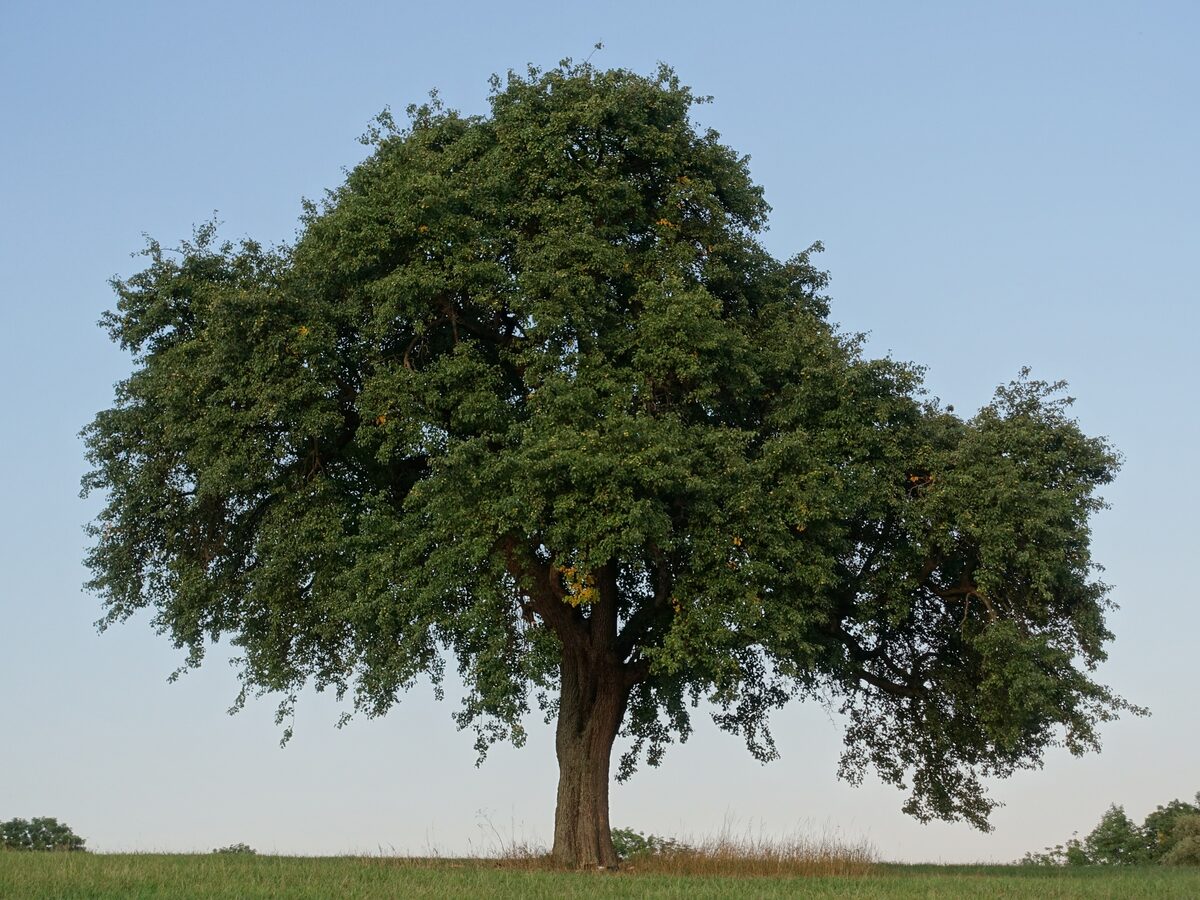
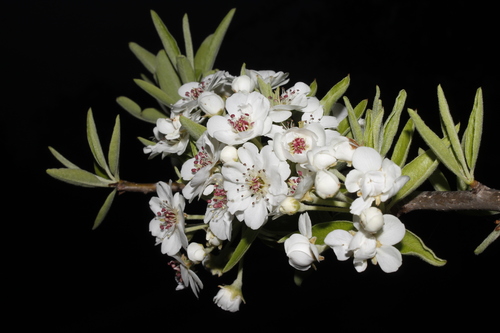
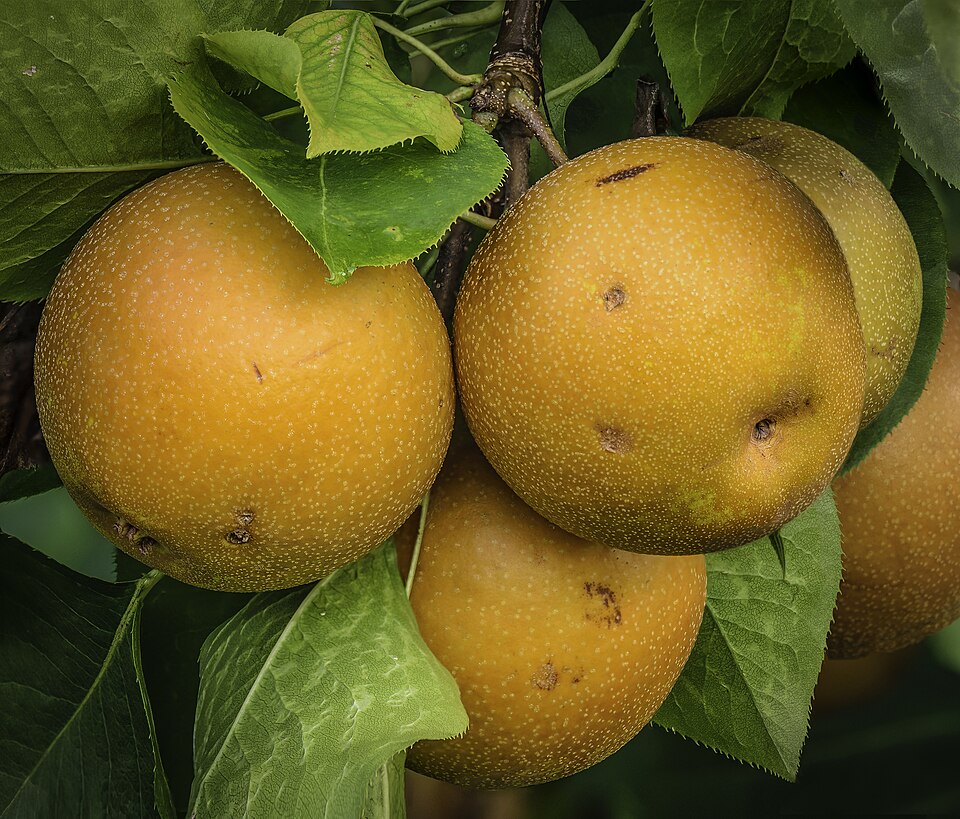
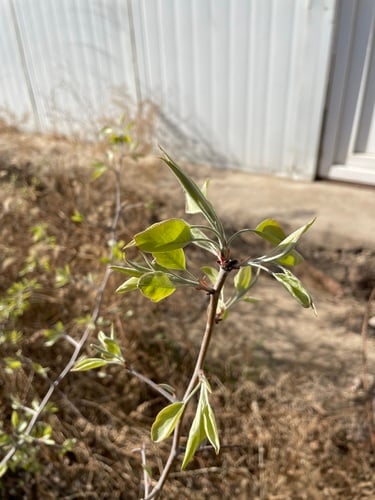
A small tree. It grows 8 m high and spreads 3.5 m wide. The leaves are oval and usually widest slightly below the middle. They are 6-10 cm long and 3-4.5 cm wide. They are fully rounded at the base. There are sharp teeth along the edge. The leaves are dull green with slightly sunken veins above. They are paler and with some hairs near the veins underneath. The flowers are white and about 25 mm across. They are on slender greenish-brown stalks. They occur in small flat topped clusters. The fruit are 20-25 mm long. They are orange or red and the surface is slightly powdery. The flesh can be sweet or sour. There are several named cultivated varieties.
Edible Uses
The fruit can be eaten raw, cooked in pies, used in preserves, or dried for later use. The flesh is succulent and juicy but rather acid with a tough skin; the best forms are pulpy and pleasant tasting. Cooking improves the flavour considerably. Each fruit is about 25mm in diameter and contains one large seed. The seed can also be eaten raw or cooked, but should be avoided if it tastes too bitter.
Traditional Uses
The ripe fruit are usually made into jams and jellies. They can also be eaten fresh or dried. They can be stewed or made into sauces. They can be dried and stored. The seed kernels can be eaten raw.
Medicinal Uses
A tea made from scraped inner bark serves as a wash for skin problems and as a mouthwash for sores. A poultice of the inner bark is disinfectant and is applied to cuts and wounds. The bark is astringent, diuretic and pectoral, and has been used to make a cough syrup. An infusion of the bark treats diarrhoea, kidney and bladder complaints, while an infusion of the twigs has been used for asthma. All members of the genus contain amygdalin and prunasin, which break down in water to release hydrocyanic acid (prussic acid). In small amounts this exceedingly poisonous compound stimulates respiration, improves digestion and gives a sense of well-being.
Known Hazards
Although no specific mention has been seen for this species, it belongs to a genus where most, if not all members of the genus produce hydrogen cyanide, a poison that gives almonds their characteristic flavour. This toxin is found mainly in the leaves and seed and is readily detected by its bitter taste. It is usually present in too small a quantity to do any harm but any very bitter seed or fruit should not be eaten. In small quantities, hydrogen cyanide has been shown to stimulate respiration and improve digestion, it is also claimed to be of benefit in the treatment of cancer. In excess, however, it can cause respiratory failure and even death.
Distribution
Temperate. It grows in deciduous woodlands. It is often along the banks of rivers and lakes. It suits hardiness zones 3-9.
Where It Grows
Africa, Australia, Canada, East Africa, Haiti, Madagascar, Mexico, North America, USA, West Indies,
Cultivation
Thrives in a well-drained moisture-retentive loamy soil, doing well on limestone. Prefers some lime in the soil but is likely to become chlorotic if too much lime is present. Succeeds in sun or partial shade though it fruits better in a sunny position. Trees are probably hardy to as low as -50°c when fully dormant. A fast-growing but short-lived tree in the wild, it is cultivated for its edible fruit in N. America, where there are many named varieties. It flowers well in Britain but rarely fruits well here. Most members of this genus are shallow-rooted and will produce suckers if the roots are damaged. Plants often produce suckers at the roots and form thickets. The branches are brittle. Plants in this genus are notably susceptible to honey fungus. A sprouting standard sending up shoots from the base. Harvesting typically occurs in late summer to early autumn, with specific timing varying by species. For instance, plums and peaches are usually harvested from July to September (Northern Hemisphere), while almonds are harvested in August to September (Northern Hemisphere). Prunus species usually flower in early spring, often between March and April (Northern Hemisphere), depending on the species and local climate. Growth rates vary among species, but generally, Prunus trees can grow moderately fast, often reaching full height in 3 to 5 years. However, they may take several years to bear fruit, depending on the species and growing conditions.
Propagation
Seed requires 2–3 months of cold stratification and is best sown in a cold frame as soon as it is ripe. Stored seed should be sown in a cold frame as early in the year as possible, with protection from mice. Germination can be slow, sometimes taking 18 months. Prick seedlings into individual pots when large enough to handle, overwinter them in a greenhouse or cold frame, then plant out in late spring or early summer the following year. Cuttings of half-ripe wood with a heel taken in July/August in a frame are difficult, if not impossible. Softwood cuttings from strongly growing plants taken in spring to early summer in a frame are also difficult, if not impossible. Suckers can be taken in late winter.
Other Uses
Prunus species work well as windbreaks and in alley cropping systems, improving biodiversity by supporting pollinators and wildlife, with some varieties contributing to soil health. The leaves yield a green dye, the fruit a dark grey to green dye, and the roots a red dye. This species is widely used as a rootstock for cultivated plums in North America. The tough, elastic twigs can be bundled and used as floor-sweeping brooms. Trees growing along streams help prevent soil erosion through their root systems. The wood is heavy, hard, close-grained and strong, weighing 45lb per cubic foot, but has no commercial value due to the small trunk size. Flowers are rich in nectar and pollen, attracting bees, butterflies and other pollinators. The fruits feed birds and mammals, and the trees provide shelter, nesting and roosting sites for wildlife. Rough bark and leaf litter offer overwintering habitat for invertebrates.
Notes
There are about 200 Prunus species.
Nutrition
| Part | Moisture | kJ | kcal | Protein | Vit A | Vit C | Iron | Zinc |
|---|---|---|---|---|---|---|---|---|
| Fruit | 78.2 | 321 | 77 | 0.6 | — | — | — | — |
Also Known As
American plum, American wild plum, Goose plum, Hog plum
References (29)
- Arbust. amer. 111. 1785
- Beckstrom-Sternberg, Stephen M., and James A. Duke. "The Foodplant Database." http://probe.nalusda.gov:8300/cgi-bin/browse/foodplantdb.(ACEDB version 4.0 - data version July 1994)
- Bodkin, F., 1991, Encyclopedia Botanica. Cornstalk publishing, p 840
- Cundall, P., (ed.), 2004, Gardening Australia: flora: the gardener's bible. ABC Books. p 1092
- Elias, T.S. & Dykeman P.A., 1990, Edible Wild Plants. A North American Field guide. Sterling, New York p 203
Show all 29 references Hide references
- Esperanca, M. J., 1988. Surviving in the wild. A glance at the wild plants and their uses. Vol. 2. p 338
- Facciola, S., 1998, Cornucopia 2: a Source Book of Edible Plants. Kampong Publications, p 201
- Farrar, J.L., 1995, Trees of the Northern United States and Canada. Iowa State University press/Ames p 386
- Fisk, J. R. & Hoover, E., 2015, Wild Fruits of Minnesota. A Field Guide. University of Minnesota p 28
- Grandtner, M. M., 2008, World Dictionary of Trees. Wood and Forest Science Department. Laval University, Quebec, Qc Canada. (Internet database http://www.wdt.qc.ca)
- Hedrick, U.P., 1919, (Ed.), Sturtevant's edible plants of the world. p 519
- Jackes, D. A., 2007, Edible Forest Gardens
- Jardin, C., 1970, List of Foods Used In Africa, FAO Nutrition Information Document Series No 2.p 156
- Kermath, B. M., et al, 2014, Food Plants in the Americas: A survey of the domesticated, cultivated and wild plants used for Human food in North, Central and South America and the Caribbean. On line draft. p 709
- Kiple, K.F. & Ornelas, K.C., (eds), 2000, The Cambridge World History of Food. CUP p 1785
- Little, E.L., 1980, National Audubon Society Field Guide to North American Trees. Alfred A. Knopf. p 493
- MacKinnon, A., et al, 2009, Edible & Medicinal Plants of Canada. Lone Pine. p 88
- Moerman, D. F., 2010, Native American Ethnobotany. Timber Press. p 439
- Phillips, K. M., et al, 2014, Nutrient composition of selected traditional United States Northern Plains Native American plant foods. Journal of Food Composition and Analysis 34 (2014) 136–152 141
- Plants for a Future database, The Field, Penpol, Lostwithiel, Cornwall, PL22 0NG, UK. http://www.scs.leeds.ac.uk/pfaf/
- Plants of Haiti Smithsonian Institute http://botany.si.edu/antilles/West Indies
- Small, E., 2009, Top 100 Food Plants. The world's most important culinary crops. NRC Research Press. p 435
- Toupal, R. S. & Hollenback, K., 2009, An Ethnobotany of Indiana Dunes National Lakeshore: Plant Uses of the Ojibwa People. Bureau of Applied Research in Anthropology. University of Arizona
- USDA, ARS, National Genetic Resources Program. Germplasm Resources Information Network - (GRIN). [Online Database] National Germplasm Resources Laboratory, Beltsville, Maryland. Available: www.ars-grin.gov/cgi-bin/npgs/html/econ.pl (10 April 2000)
- van Wyk, B., 2005, Food Plants of the World. An illustrated guide. Timber press. p 308
- Watkins, R., 1979, Cherry, plum, peach, apricot and almond, in Simmonds, N.W., (ed), Crop Plant Evolution. Longmans. London. p 242
- Wiersema, J. H. & Leon, B., 2013, World Economic Plants. A Standard Reference CRC Press. 2nd Ed. p 559
- Wild Edible Plants of the Whitmire Wildflower Garden. Missouri Botanical Gardens.
- World Checklist of Useful Plant Species 2020. Royal Botanic Gardens, Kew