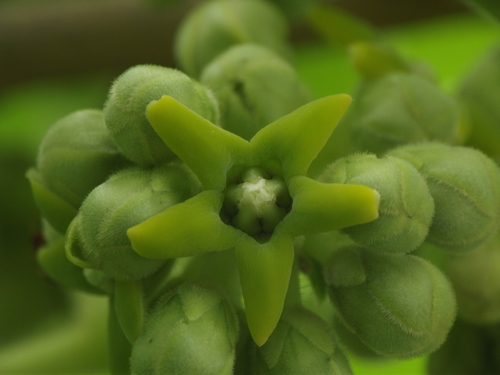
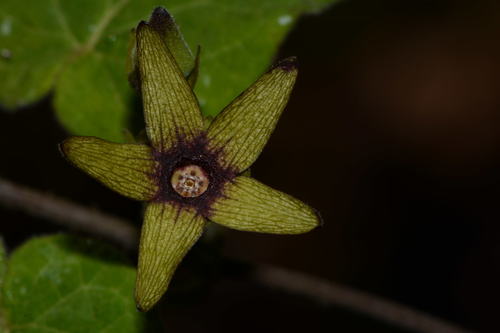
Glossonema boveanum
(Decne) Decne
iNaturalist· cc-by-nc
(c) משה נאמן, some rights reserved (CC BY-NC)
iNaturalist· cc-by-nc
(c) משה נאמן, some rights reserved (CC BY-NC)
iNaturalist· cc-by-nc
(c) משה נאמן, some rights reserved (CC BY-NC)
Description
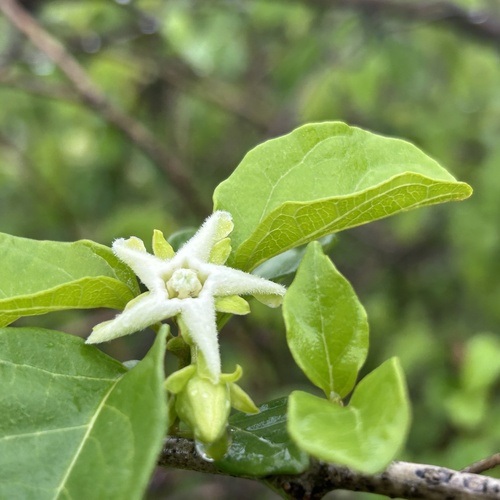
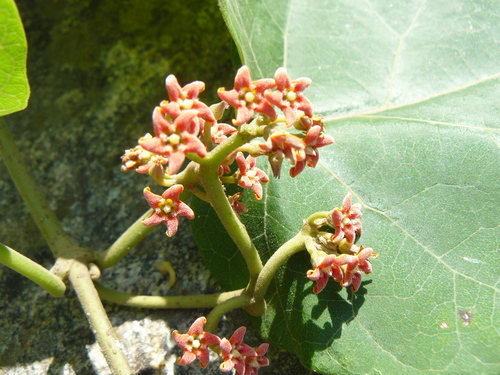
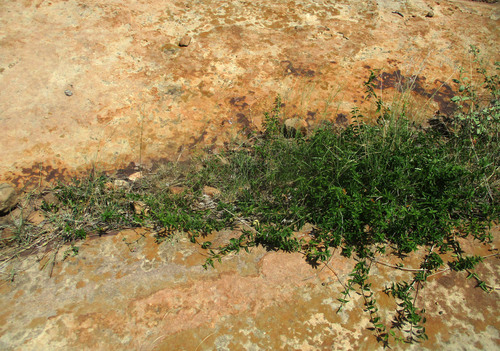
A herb. It grows 15-30 cm tall. It keeps growing from year to year. The leaves are 0.5-3 cm long by 0.5-2 cm wide. The lower leaves are larger than higher leaves. There are about 5 flowers in a group.
Edible Uses
The leaves, flowers, and fruit are all edible; leaves are traditionally used in sauce.
Traditional Uses
The leaves are used in sauce.
This uses section is brief — help expand it
Medicinal Uses
The plant is believed to possibly promote milk production.
Distribution
It is a tropical plant. It grows in the Sahara and in arid places. It grows from sea level to 1,200 m above sea level.
Where It Grows
Africa, Burkina Faso, Djibouti, East Africa, Eritrea, Ethiopia, Mali, Mauritania, Mediterranean, Middle East, Morocco, Niger, Nigeria, North Africa, Sahel, Saudi Arabia, Senegal, Somalia, West Africa,
Cultivation
Plants can be grown by seeds.
Notes
Also put in the family Asclepiadaceae. It possibly promotes milk production.
Synonyms
Also Known As
Achakan, CakumGraynat, Marka digini, Marku djiguini, Taarin-gidaa
References (5)
- Belem, M., et al, 2017, Strategy of Conservation and Protection of Wild Edible Plants Diversity in Burkina Faso. ANADOLU 27 (2) 2017, 82- 90
- Gallagher, D. E., 2010, Farming beyond the escarpment: Society, Environment, and Mobility in Precolonial Southeastern Burkina Faso. PhD University of Michigan.
- Nassif, F., & Tanji, A., 2013, Gathered food plants in Morocco: The long forgotten species in Ethnobotanical Research. Life Science Leaflets 3:17-54
- Opena, R. T. and Kyomo, M. L., (Eds), 1990, Vegetable Research and Development in SADCC Countries. Workshop Proceedings Tanzania. p 36
- World Checklist of Useful Plant Species 2020. Royal Botanic Gardens, Kew (As Cynanchum boveanum)