Rhagadiolus stellatus
(L.) Gaertn.
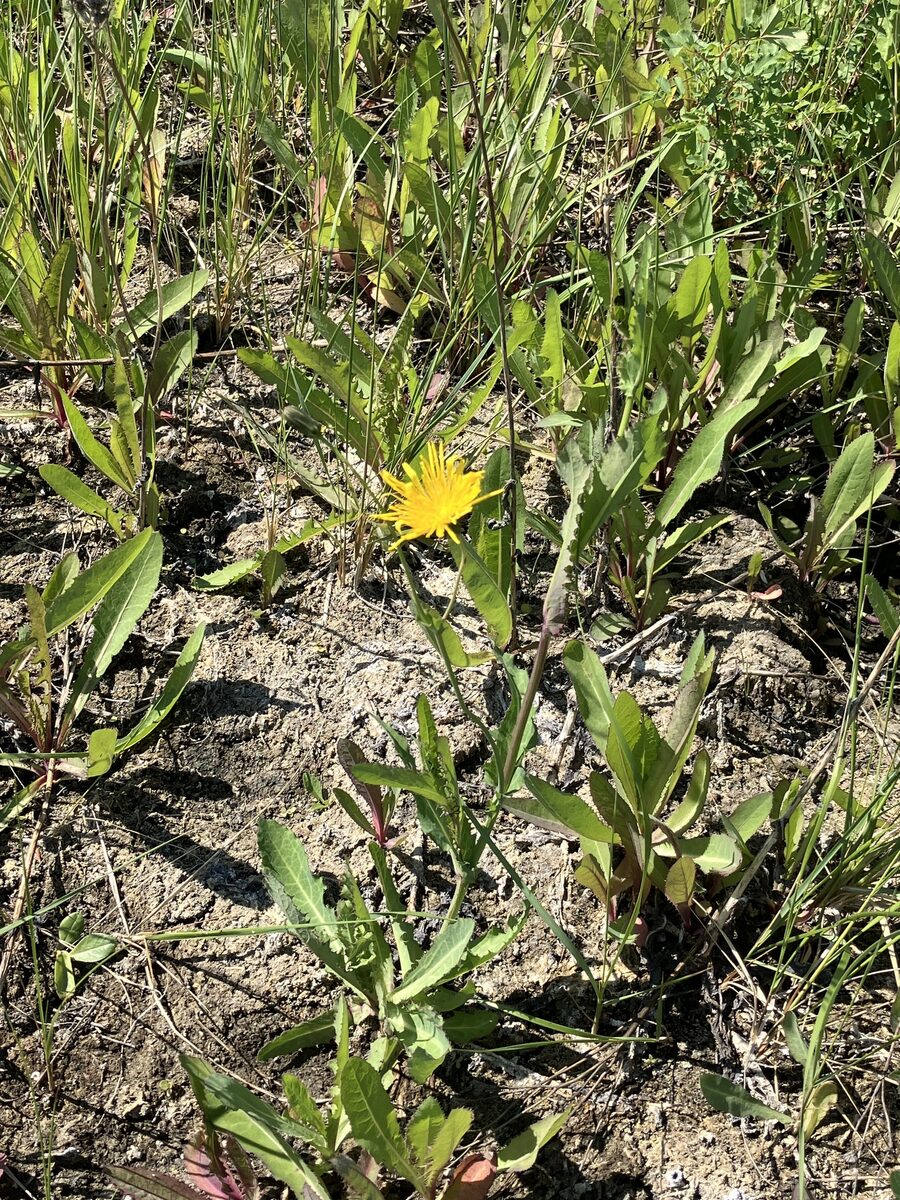
iNaturalist· cc-by-nc-sa
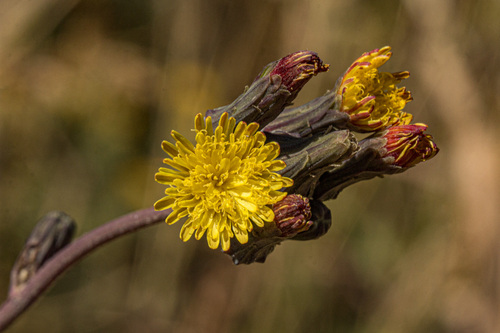
(c) יאיר אור, some rights reserved (CC BY-NC-SA), uploaded by יאיר אור
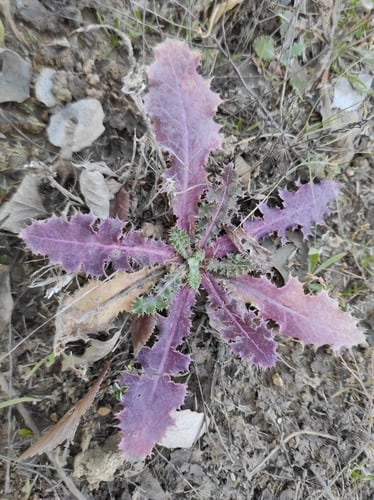
iNaturalist· cc-by-nc
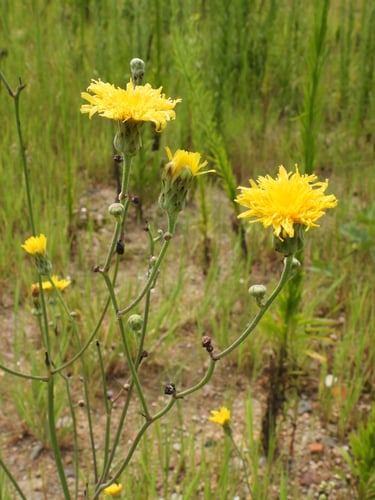
(c) Jennifer Chandler, some rights reserved (CC BY-NC), uploaded by Jennifer Chandler
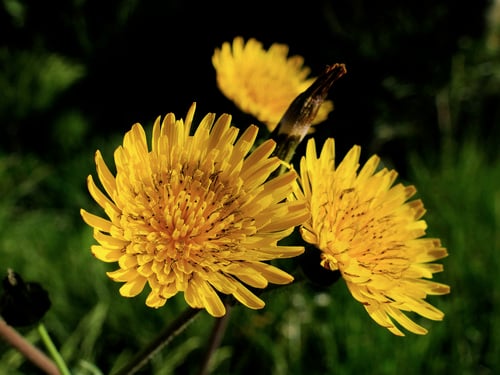
iNaturalist· cc-by-nc
(c) Durrell D. Kapan, some rights reserved (CC BY-NC), uploaded by Durrell D. Kapan
Summary
Source: WikipediaRhagadiolus stellatus, or the endive daisy, is a species of annual herb in the family Asteraceae. They have a self-supporting growth form and simple, broad leaves. Individuals can grow to 0.22 m.
Description
Rhagadiolus stellatus is a fast-growing annual herb reaching 0.5 m tall with 0.2 m spread. Hardy to UK zone 7, it grows in light sandy, medium loamy, and heavy clay soils including nutritionally poor soil with good drainage, tolerating mildly acidic to basic pH. Flowering is pollinated by bees and insects; the plant requires full sun and tolerates both dry and moist conditions with drought resistance.
Edible Uses
Young leaves gathered before the plant begins to flower are edible; they become bitter as the plant matures. The leaves are used as a wild green vegetable, notably in southern Croatia and adjacent south-western Herzegovina.
Traditional Uses
The leaves at the base are eaten raw in salads or in stews.
This uses section is brief — help expand it
Medicinal Uses
A study of this Mediterranean Asteraceae species identified several phenolic compounds from its methanolic extract: kaempferol 3-O-ß-glucoside, kaempferol 3-O-ß-rutinoside (nicotiflorin), quercetin 3-O-ß-glucoside, and luteolin. Kaempferol 3-O-ß-glucoside has antioxidant, anti-inflammatory, and potential anticancer properties, and may support heart health by lowering blood pressure and cholesterol. Kaempferol 3-O-ß-rutinoside (nicotiflorin) similarly offers antioxidant and anti-inflammatory effects, along with antimicrobial activity and potential neuroprotective benefits. Quercetin 3-O-ß-glucoside is a potent antioxidant with anti-inflammatory, antimicrobial, and anticancer properties; it may also improve blood vessel function and reduce cardiovascular risk. Luteolin provides antioxidant and anti-inflammatory action, has shown ability to inhibit cancer cell growth and promote apoptosis, and may protect against neurodegenerative diseases and exhibit broad antimicrobial activity.
Distribution
It is a Mediterranean plant.
Where It Grows
Balkans, Bosnia, Croatia, Europe, Italy, Mediterranean, Sicily, Spain,
Propagation
Propagated by seed.
Other Uses
None known.
Synonyms
Also Known As
Blandicas, Ciciacche, Lattucheddha, Piscialitte
References (6)
- Biscotti, N. et al, 2018, The traditional food use of wild vegetables in Apulia (Italy) in the light of Italian ethnobotanical literature. Italian Botanist 5:1-24
- Geraci, A., et al, 2018, The wild taxa utilized as vegetables in Sicily (Italy): a traditional component of the Mediterranean diet. Journal of Ethnobiology and Ethnomedicine (2018) 14:14
- Luczaj et al, 2013, Wild vegetable mixes sold in the markets of Dalmatia (southern Croatia). Journal of Ethnobiology and Ethnomedicine. 8:2
- Luczaj, L. et al, 2014, Wild Food Plants of Dalmatia (Croatia). in A. Pieroni, C. L. Quave (eds.), Ethnobotany and Biocultural Diversities in the Balkans, p 142
- Pasta, S., et al, 2020, An Updated Checklist of the Sicilian Native Edible Plants: Preserving the Traditional Ecological Knowledge of Century-Old Agro-Pastoral Landscapes. Frontiers in Plant Science. Volume 11|Article 388
Show all 6 references Hide references
- Tardio, J., et al, Ethnobotanical review of wild edible plants in Spain. Botanical J. Linnean Soc. 152 (2006), 27-71