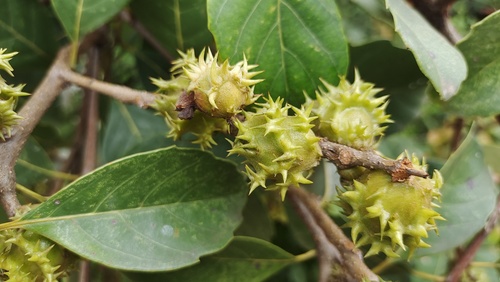
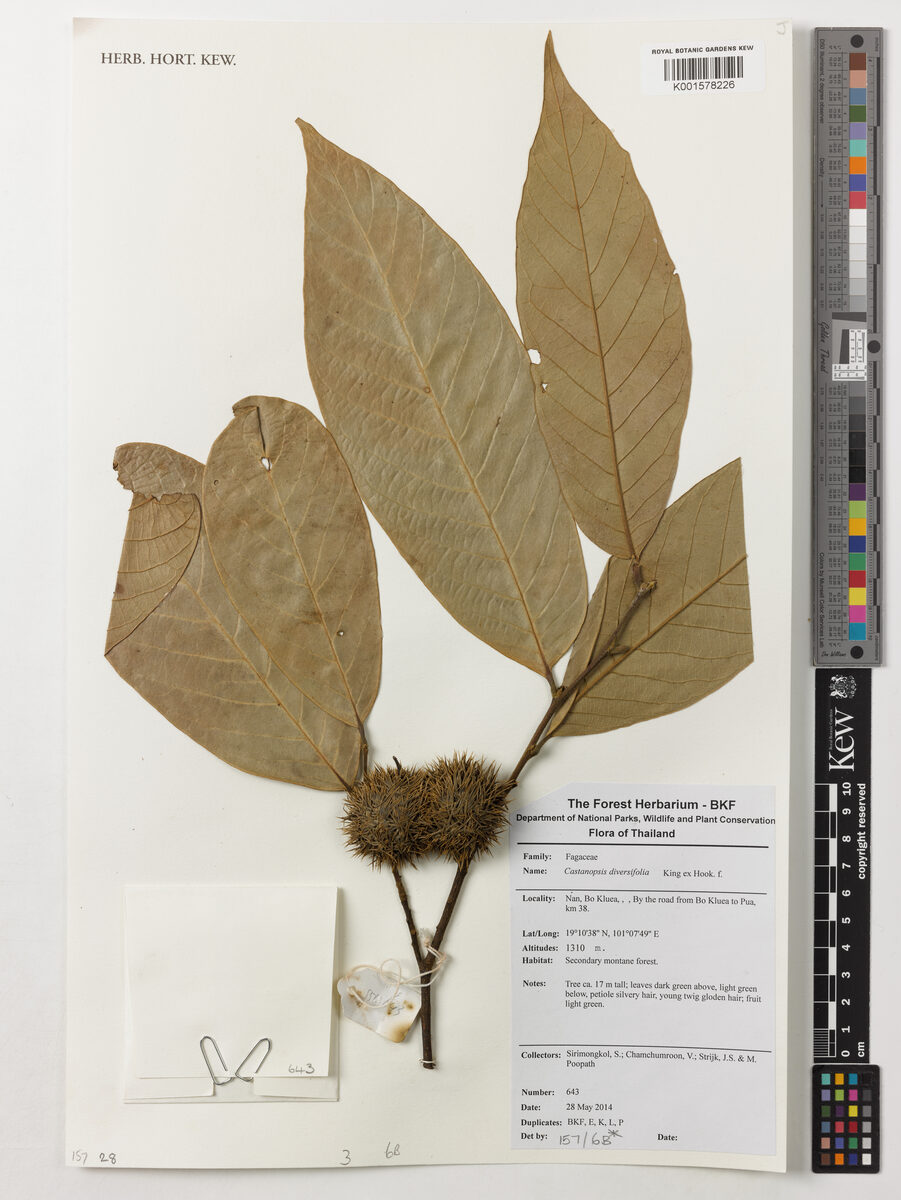
Chrysolepis chrysophylla
(Douglas. ex Hook.) Hjelmq.
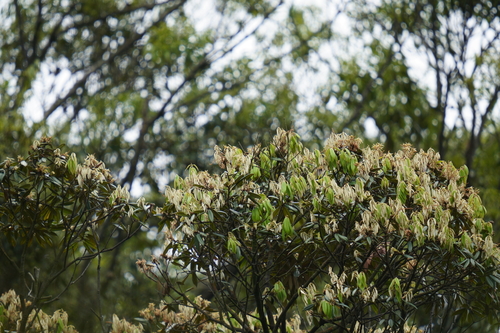
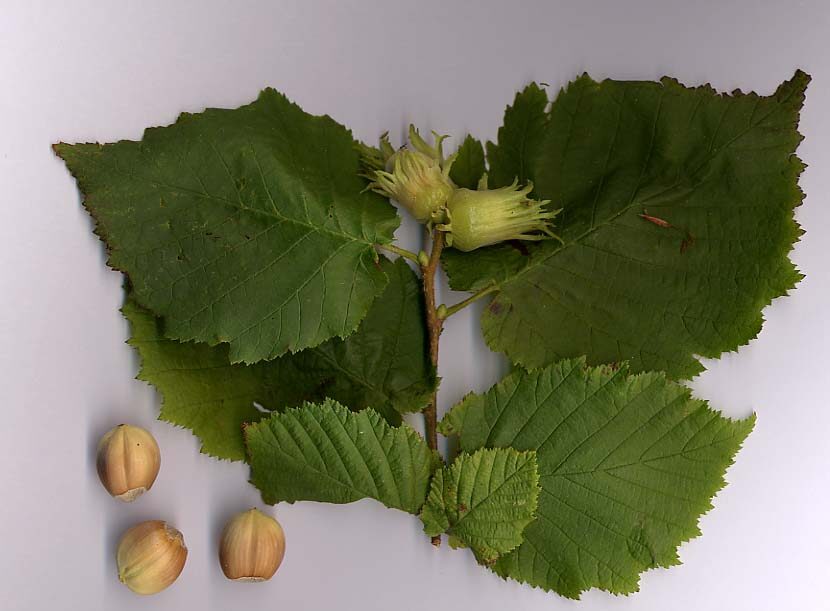
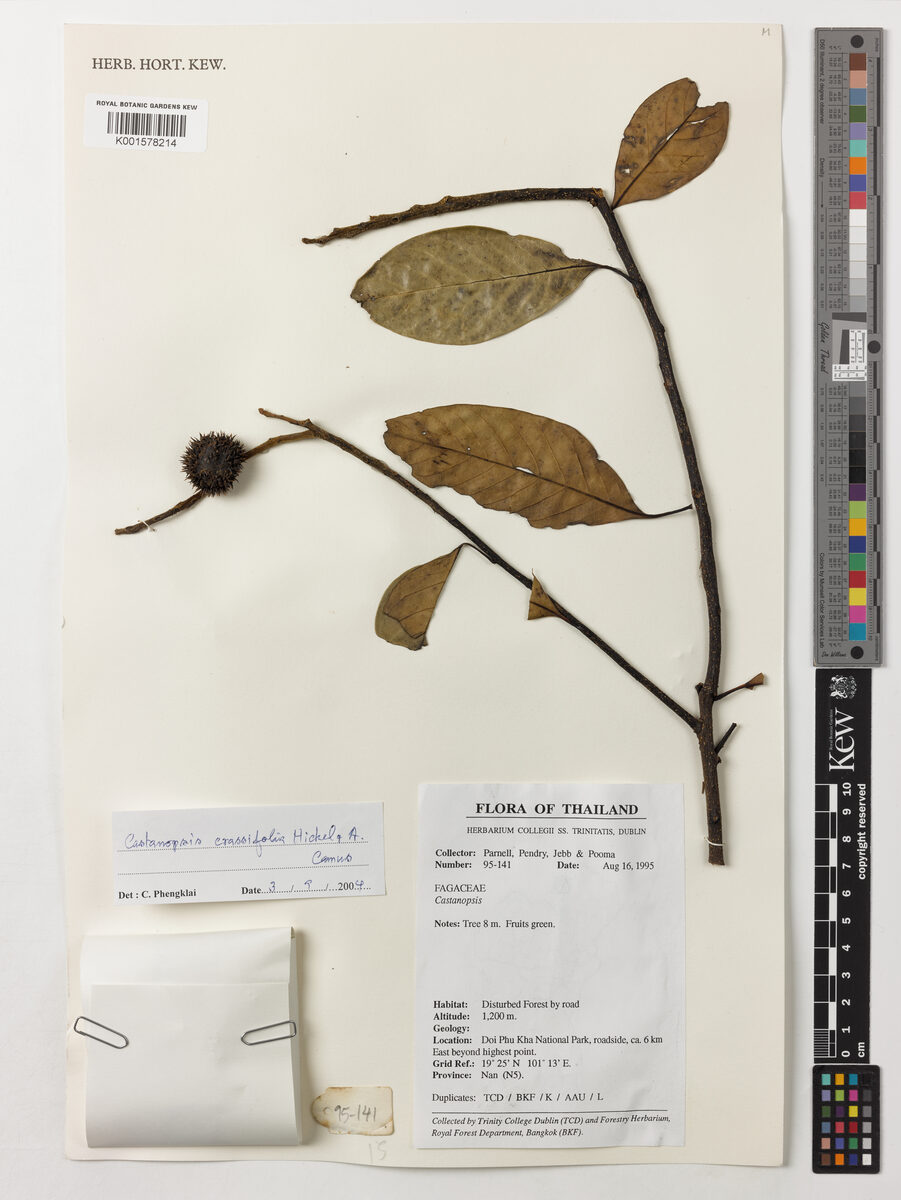
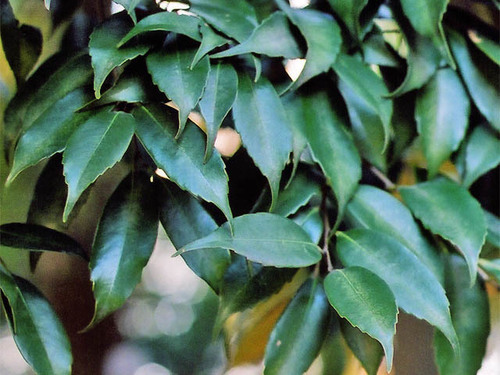
Golden chinkapin, Golden chestnut
iNaturalist· cc-by-nc
(c) F. Van Meter, some rights reserved (CC BY-NC), uploaded by F. Van Meter
iNaturalist· cc-by
(c) Ken-ichi Ueda, some rights reserved (CC BY)
iNaturalist· cc-by-nc
(c) Dominik Mosur, some rights reserved (CC BY-NC), uploaded by Dominik Mosur
Summary
Source: WikipediaChrysolepis chrysophylla is a species of flowering shrub or tree in the beech family known by the common names golden chinquapin, giant chinquapin, and western chinquapin. It is native to the Pacific coast of the United States.
Description
An evergreen tree. It grows 9-30 m high. The trunk can be 1 m across. The tree is broadly cone shape. The bark is grey and furrowed. The leaves are oblong to sword shaped and 10 cm long by 2.5 cm wide. They are rigid and leathery. They do not have teeth. They are glossy dark green above and hairy underneath. The male and female flowers are separate but usually on the same spike. They are creamy white and in catkins about 4 cm long. They have a scent. The fruit are a spiny husk about 4 cm across. These contain 1-3 brown nuts. They are edible.
Edible Uses
The seed can be eaten raw or cooked and is very sweet and much appreciated. It can also be dried, ground into a powder, and used as a thickening agent in soups or mixed with cereals when making bread. Each seed is about 1cm long and has a hard shell.
Traditional Uses
The kernel or nut is roasted and eaten.
This uses section is brief — help expand it
Medicinal Uses
No medicinal uses are known for this plant.
Distribution
It is a temperate plant. They are native to the western United States. They grow in woods and thickets in coastal mountains. It can grow in poor soil conditions. It suits hardiness zones 6-9.
Where It Grows
Australia, Britain, Europe, North America, USA*,
Cultivation
It can be grown from fresh seed. They can be grown from cuttings.
Propagation
Seed is best sown in a cold frame as soon as it is ripe, with protection from mice. The seed has short viability and must not be allowed to dry out; if stored overwinter it should be kept cool and moist. As soon as seedlings are large enough to handle, prick them out into individual pots and grow on under glass for at least their first winter. Plant out into permanent positions in late spring or early summer after the last expected frosts, and consider providing some frost protection during their first winter outdoors.
Other Uses
The wood is fine-grained, light, soft, and not strong. It is occasionally used to make ploughs and other agricultural implements, and also as a fuel.
Production
Plants grow quickly in their early stages. Trees take 3-6 years to start fruiting. Trees can live for 400 years. Trees often produce larger crops every second or more years. Nuts are best picked when ripe but just before the husk has fully opened. Not all nuts ripen at the same time.
Notes
There are 2 (or 1) Chrysolepis species. (There are also said to be 100 Chrysolepis species, but this includes Castanopsis species.)
Synonyms
Also Known As
Evergreen chinkapin, Giant chinquapin, Golden-leaved chestnut
References (19)
- Beckstrom-Sternberg, Stephen M., and James A. Duke. "The Foodplant Database." http://probe.nalusda.gov:8300/cgi-bin/browse/foodplantdb.(ACEDB version 4.0 - data version July 1994) (As Castanopsis chrysophylla)
- Bodkin, F., 1991, Encyclopedia Botanica. Cornstalk publishing, p 253
- Bot. Not. suppl. 2(1):117. 1948
- Brickell, C. (Ed.), 1999, The Royal Horticultural Society A-Z Encyclopedia of Garden Plants. Convent Garden Books. p 267
- Coombes, A.J., 2000, Trees. Dorling Kindersley Handbooks. p 150
Show all 19 references Hide references
- Cundall, P., (ed.), 2004, Gardening Australia: flora: the gardener's bible. ABC Books. p 377
- Etherington, K., & Imwold, D., (Eds), 2001, Botanica's Trees & Shrubs. The illustrated A-Z of over 8500 trees and shrubs. Random House, Australia. p 210
- Facciola, S., 1998, Cornucopia 2: a Source Book of Edible Plants. Kampong Publications, p 115
- Glowinski, L., 1999, The Complete Book of Fruit Growing in Australia. Lothian. p 126 (As Castanopsis chrysophylla)
- Grandtner, M. M., 2008, World Dictionary of Trees. Wood and Forest Science Department. Laval University, Quebec, Qc Canada. (Internet database http://www.WDT.QC.ca)
- Kermath, B. M., et al, 2014, Food Plants in the Americas: A survey of the domesticated, cultivated and wild plants used for Human food in North, Central and South America and the Caribbean. On line draft. p 222
- Krochmal, A. & Krochmal, C., 1982, Uncultivated Nuts of The United States. United States Department of Agriculture Forest Service. p 16 (As Castanopsis chrysophylla)
- Lyle, S., 2006, Discovering fruit and nuts. Land Links. p 121
- Plants for a Future database, The Field, Penpol, Lostwithiel, Cornwall, PL22 0NG, UK. http://www.scs.leeds.ac.uk/pfaf/
- Schuster, C. E., 1947, Edible Nuts of the Pacific Northwest. Ecoomic Botany 1(4): 389-393
- Tozer, F., 2007, The Uses of Wild Plants. Green Man Publishing. p 59 (As Castanopsis chrysophylla)
- Uphof, 1968, (As Castanopsis chrysophylla)
- Usher, 1974, (As Castanopsis chrysophylla)
- Wickens, G.E., 1995, Edible Nuts. FAO Non-wood forest products. FAO, Rome. p 122 (As Castanopsis chrysophylla)