Hygrophila costata
Nees
iNaturalist· cc-by-nc
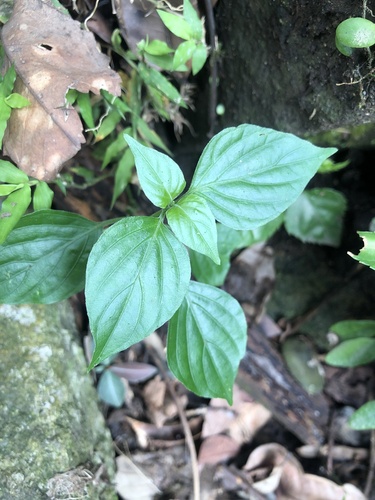
(c) Alvin Diamond, some rights reserved (CC BY-NC), uploaded by Alvin Diamond
iNaturalist· cc-by-nc
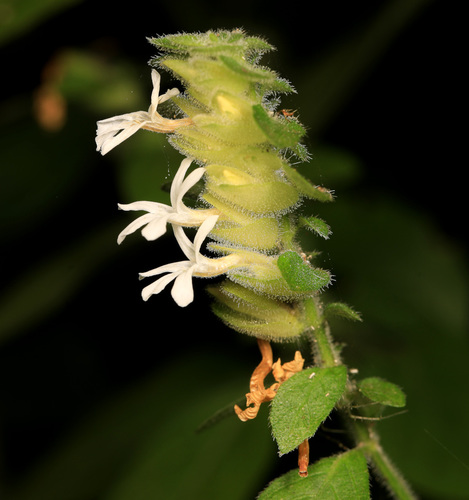
(c) Santiago Mailhos, some rights reserved (CC BY-NC), uploaded by Santiago Mailhos
iNaturalist· cc-by-nc-sa
(c) Rich Hoyer, some rights reserved (CC BY-NC-SA), uploaded by Rich Hoyer
Summary
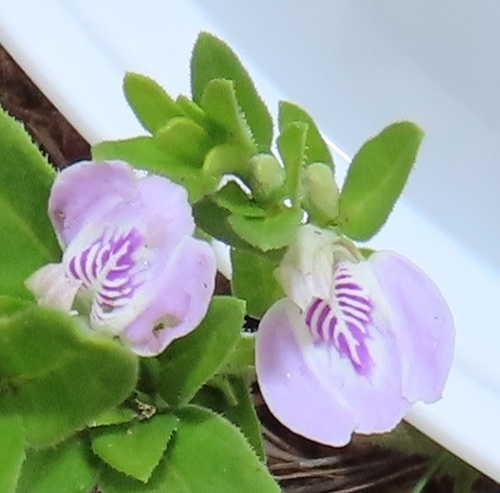
Source: WikipediaHygrophila costata, with the common names glush weed, gulf swampweed, and yerba de hicotea, is an aquatic plant. The plant is endemic is native to Neotropic ecoregions. It is native to Florida, the Caribbean, southern Mexico, Central America, and South America. This plant is cited in Flora Brasiliensis by Carl Friedrich Philipp von Martius, and is found in the Cerrado ecoregion of Brazil. In addition, Hygrophila costata is an invasive and dominating species in several parts of the world included Australia because this plant is usually like a freshwater aquarium plant.
Description
A herb that grows in water. It grows 2 m tall. Young stems have angular ridges. The leaves are narrowly oval to sword shaped. They are 5-25 cm long by 1-4 cm wide.
Edible Uses
The leaves are eaten.
Distribution
It is a subtropical plant. In Argentina it grows from sea level to 1,000 m above sea level.
Where It Grows
Africa, Argentina, Brazil, Central America, Dominican Republic, East Africa, Guianas, Mexico, Nicaragua, Paraguay, South America*, Tanzania, Uruguay, West Indies,
Synonyms
References (1)
- Reis, S. V. and Lipp, F. L., 1982, New Plant Sources for Drugs and Foods from the New York Botanical Garden herbarium. Harvard. p 279 (As Hygrophila verticillaris)