Himatanthus bracteatus
(A. DC.) Woodson
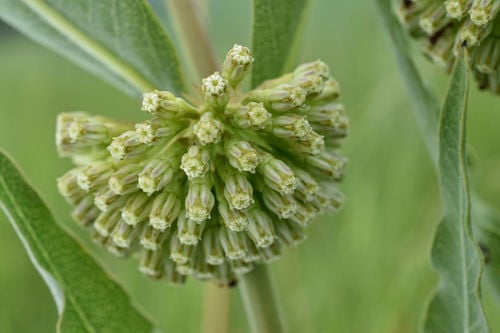
iNaturalist· cc-by-nc
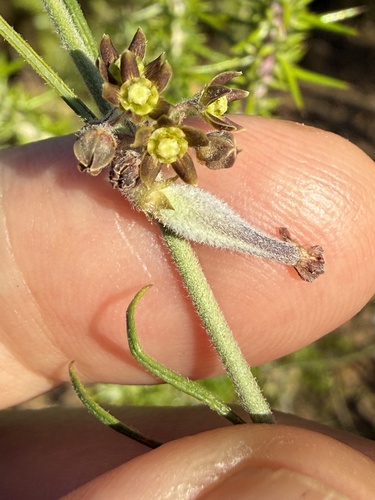
(c) Marcondes Oliveira, some rights reserved (CC BY-NC), uploaded by Marcondes Oliveira
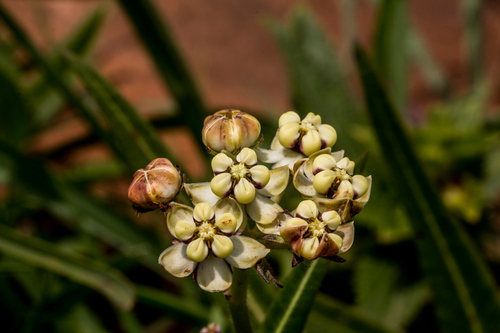
iNaturalist· cc-by-sa
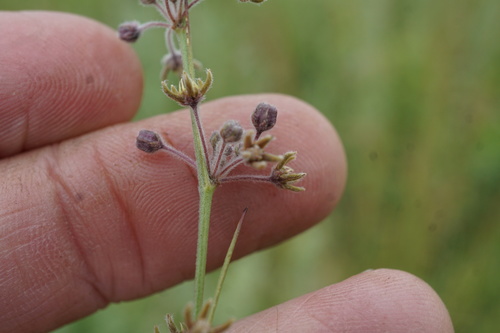
(c) cristianol1456, some rights reserved (CC BY-SA)
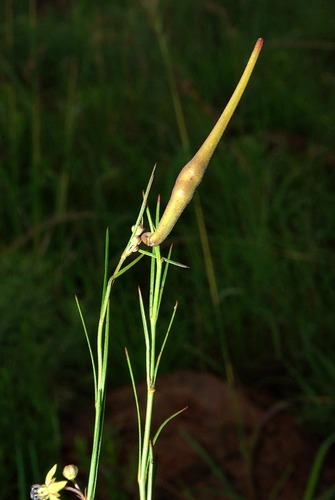
iNaturalist· cc-by-sa
(c) cristianol1456, some rights reserved (CC BY-SA)
Summary
Source: WikipediaHimatanthus bracteatus is a species of the genus Himatanthus (Apocynaceae), native Venezuela, Colombia, the Guianas, Brazil, Peru, and Ecuador. It is a shrub with oblong, obovate and acuminate leaves, white flowers in terminal corymbs and follicles with winged seed.
Description
A tree. It grows 12 m tall. The leaves are oblong and the edges curve back. The fruit are follicles that are cylinder or cone shaped. They are 17 cm long by 3 cm wide.
Edible Uses
The latex is edible.
Medicinal Uses
A decoction of the bark is drunk as an antimalarial. The bark is macerated and applied topically as a bandage for sores. An extract from the macerated inner bark is applied to cuts and wounds in order to stop bleeding. The white latex is used externally as an anti-fungal. It is applied to the skin to cure itching as an anti-pruritic
Distribution
It is a tropical plant.
Where It Grows
Amazon, Brazil, Colombia, Guianas, Guyana, Peru, South America, Suriname, Venezuela,
Production
In Guyana plants flower July to October and fruit October and February - May.
Synonyms
Also Known As
Buara bolletrie, Maboa, Mabwa, Mapa, Maubaw, Sucuuba
References (2)
- Allorge-Boiteau, L., Flora of the Guianas. 140 Apocynaceae p 103
- Reis, S. V. and Lipp, F. L., 1982, New Plant Sources for Drugs and Foods from the New York Botanical Garden herbarium. Harvard. p 242