Chlorophytum blepharophyllum
Schweinf. ex Baker
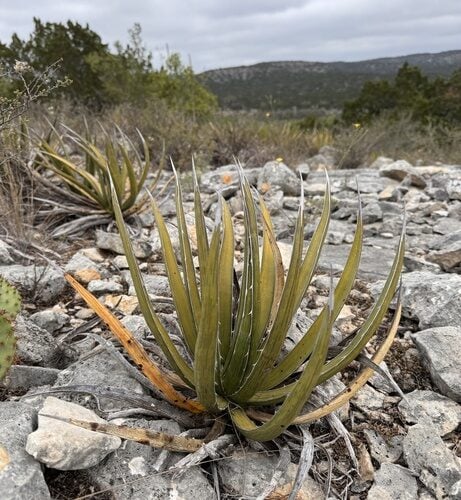
iNaturalist· cc-by-nc-sa
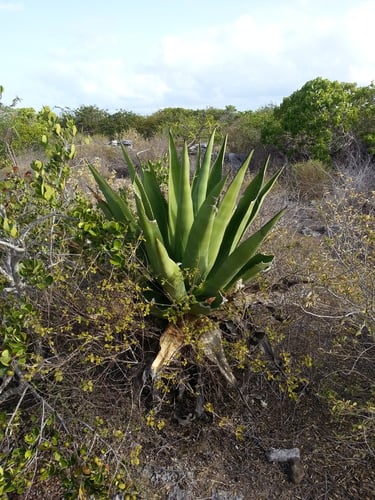
(c) Marco Schmidt, some rights reserved (CC BY-NC-SA), uploaded by Marco Schmidt
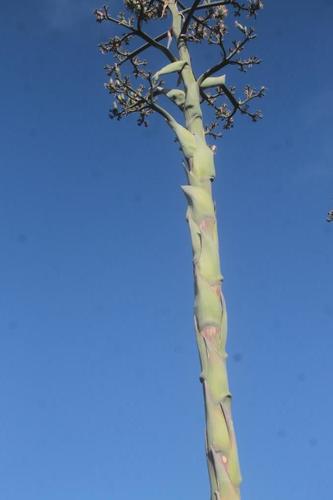
iNaturalist· cc-by-nc
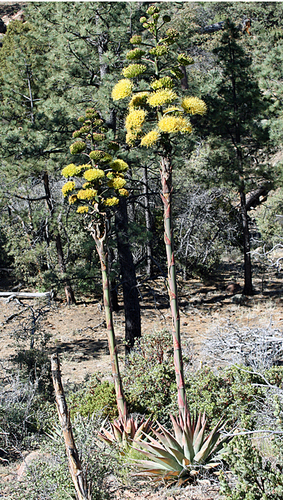
(c) Peter Zika, some rights reserved (CC BY-NC)
Description
A herb. It grows 25 cm high. It keeps growing from year to year. The flowering stalks bear pale brown flowers. The roots form small tubers.
This description is brief — help expand it
Edible Uses
The tubers are eaten, especially by children.
Distribution
A tropical plant. It grows on stony sites in moist savannah.
Where It Grows
Africa, Burkina Faso, Côte d'Ivoire, East Africa, Guinea, Guinée, Guinea-Bissau, Ivory Coast, Kenya, Mozambique, Nigeria, Senegal, Sierra Leone, West Africa, Zambia, Zimbabwe,
Other Information
The tubers are eaten especially by children.
Notes
There are between 200-300 Chlorophytum species. They are mostly in the tropics especially Africa. Also put in the family Anthericaceae and Liliaceae.
Synonyms
Also Known As
Kaluba-wanga, Ndyula, Voluzin titi
References (8)
- Burkill, H. M., 1985, The useful plants of west tropical Africa, Vol. 3. Kew.
- Fowler, D. G., 2007, Zambian Plants: Their Vernacular Names and Uses. Kew. p 64
- Glover, et al, 1966b,
- Grivetti, L. E., 1980, Agricultural development: present and potential role of edible wild plants. Part 2: Sub-Saharan Africa, Report to the Department of State Agency for International Development. p 46
- Jardin, C., 1970, List of Foods Used In Africa, FAO Nutrition Information Document Series No 2.p 66
Show all 8 references Hide references
- Mutie, F. M., et al, 2023, Important Medicinal and Food Taxa (Orders and Families) in Kenya, Based on Three Quantitative Approaches. Plants 2023, 12, 1145
- Peters, C. R., O'Brien, E. M., and Drummond, R.B., 1992, Edible Wild plants of Sub-saharan Africa. Kew. p 11
- World Checklist of Useful Plant Species 2020. Royal Botanic Gardens, Kew