Chionographis japonica
Maxim.
iNaturalist· cc-by-nc
(c) Leslie Hurteau, some rights reserved (CC BY-NC)
iNaturalist· cc-by-nc
(c) Leslie Hurteau, some rights reserved (CC BY-NC)
iNaturalist· cc-by-nc
(c) Leslie Hurteau, some rights reserved (CC BY-NC)
Summary
Source: WikipediaPerennial reaching 0.3 m tall. Hardy to UK zone 7. Hermaphroditic species flowering April to May. Grows in sandy to clay soils with mildly acid to basic pH and prefers well-drained conditions. Tolerates semi-shade and prefers moist soil.
Description
Perennial reaching 0.3 m tall. Hardy to UK zone 7. Hermaphroditic species flowering April to May. Grows in sandy to clay soils with mildly acid to basic pH and prefers well-drained conditions. Tolerates semi-shade and prefers moist soil.
Edible Uses
The leaves and young plants are edible, though no further preparation details are recorded.
Medicinal Uses
None known
Distribution
It is a temperate plant.
Where It Grows
Asia, Japan, Korea,
Cultivation
Prefers a moisture-retentive but well-drained humus-rich loamy soil and a position in light dappled shade. It is well suited to the woodland garden. Plants are hardy to about -15°c but they often require some protection in the winter, especially in areas where cold temperatures are prolonged.
Propagation
Seed is best sown in a greenhouse as soon as it is ripe where possible, otherwise in early spring. Prick seedlings into individual pots when large enough to handle and grow on in a greenhouse for at least their first winter, then plant out in late spring or early summer after the last expected frosts. Division can be carried out in spring or after flowering in summer.
Other Uses
None known Special Uses
Notes
There are 4 Chionographis species.
Synonyms
References (1)
- Plants for a Future database, The Field, Penpol, Lostwithiel, Cornwall, PL22 0NG, UK. http://www.scs.leeds.ac.uk/pfaf/
More from Melanthiaceae
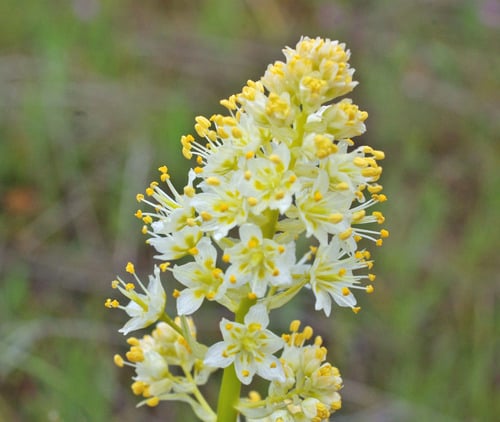
Toxicoscordion paniculatum
Foothill deathcamas
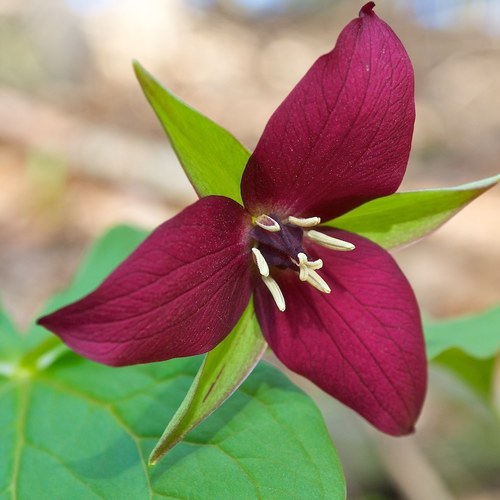
Trillium erectum
Beth root, Stinking Benjamin, Purple trillium, Birthroot, Red trillium
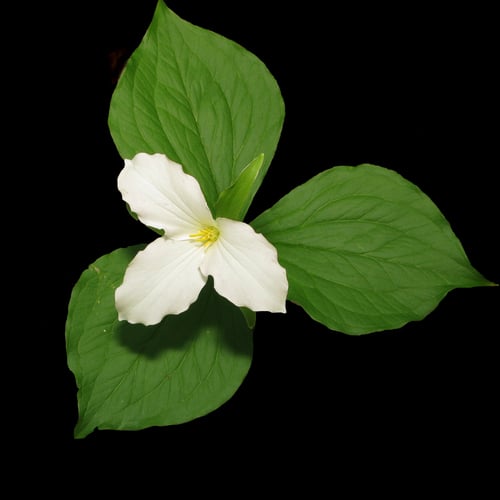
Trillium grandiflorum
White trilium, Wake robin, White wake robin, Grand trillium, Showy trillium, Large-flowered trillium
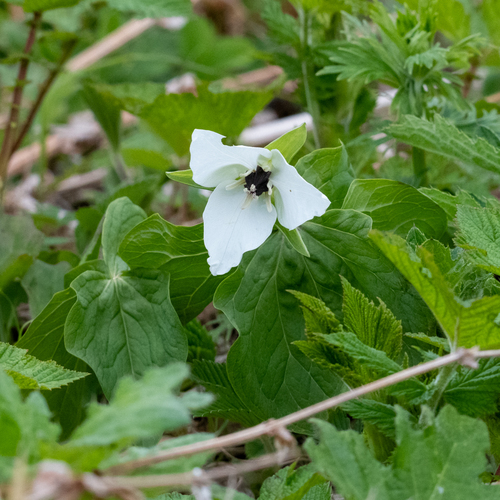
Trillium kamtschaticum
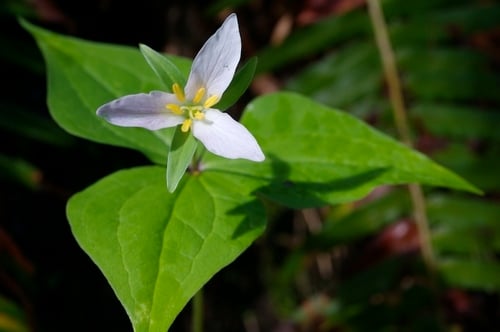
Trillium ovatum
Wakerobin, Western trillium, Pacific trillium
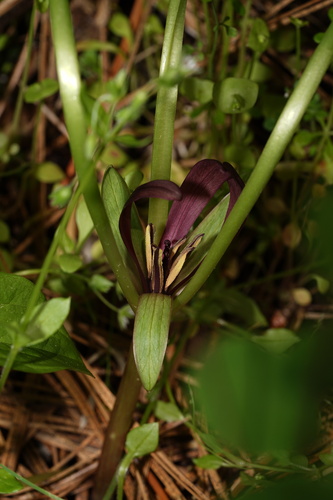
Trillium petiolatum
Idaho trillium, Purple trillium, Round-leaved trillium