Acacia caven
(Mol.) Mol.
Caven
iNaturalist· cc-by-nc
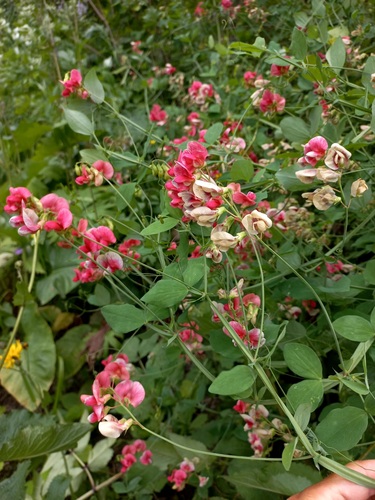
(c) Anita Inguerzon, some rights reserved (CC BY-NC)
iNaturalist· cc-by-nc
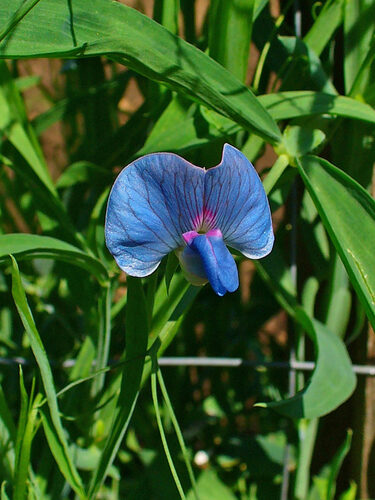
(c) Anita Inguerzon, some rights reserved (CC BY-NC)
iNaturalist· cc-by-nc
(c) Anita Inguerzon, some rights reserved (CC BY-NC)
Description
A shrub or small tree. It grows 5 m tall. There are prickles along the stem. The leaves are twice divided and there are 8-18 pairs of pinnae. There are up to 50 pairs of pinnules on each pinnae. The flowers are yellow. They are in large clusters at the ends of branches. The pods are flattened.
Edible Uses
The seeds are roasted and used as a coffee substitute. The plant is also used to flavor sweet dishes and drinks.
Traditional Uses
It is used for sweet dishes and drinks.
This uses section is brief — help expand it
Known Hazards
Caution with seeds.
Distribution
It is a temperate plant. It grows in Patagonia. It can tolerate drought once established. It suits hardiness zones 6-11.
Where It Grows
Argentina, Bolivia, Brazil, Chile, Paraguay, Peru, South America, Uruguay,
Synonyms
Also Known As
Aromita, Aromito, Aromo criollo, Aruma, Caven, Cawen, Churque, Churqui, Chusqui, Espinillo, Espino, Espino maulino, Huayun, Khine negro, Quirinca, Tusca
References (6)
- Cordero, S. E., Abello, L. A., & Galvez, F. L., 2017, Plantas silvestres comestibles y medicinales de Chile y otras partes del mundo. CORMA
- Grandtner, M. M. & Chevrette, J.,2013, Dictionary of Trees, Volume 2: South America: Nomenclature, Taxonomy and Ecology. Academic Press p 5
- Leon-Lobos, P., et al, 2022, Patterns of Traditional and Modern Uses of Wild Edible Native Plants of Chile: Challenges and Future Perspectives. Plants (Basel) v 11 (6) Table S1
- Martin, J. S. & Villagra M. M., 2013, Productos forestales no madereros de la Region del Maule. p 26
- Molares, S. & Ladio, A., 2012, The Usefulness of Edible and Medicinal Fabaceae in Argentine and Chilean Patagonia: Environmental Availability and Other Sources of Supply. Evidence-Based Complementary and Alternative Medicine. Volume 2012, Article ID 901918, 12 pages, Hindawi Publishing Corporation.
Show all 6 references Hide references
- www.hidawi.com/journals/ecam/2012/901918/tab1/