Sapindus rarak
DC.
Lerak, Soapberry tree
iNaturalist· cc-by-nc
(c) 刘光裕 Liu Guangyu, some rights reserved (CC BY-NC), uploaded by 刘光裕 Liu Guangyu
iNaturalist· cc-by-nc
(c) lordworm_cryptopsy, some rights reserved (CC BY-NC)
Summary
Source: WikipediaSapindus rarak is a species of soapberry. It is a deciduous tree up to 42 metres (138 ft) tall native to south and east Asia (from India and Sri Lanka in the west to south China and Taiwan in the north and to Indonesia in the south). Its species name is derived from the Malaysian name rerak or rerek. In Indonesia it is commonly known as lerak or klerek.
Description
A tree. It loses its leaves during the year. It grows 20-42 m tall. The trunk can be 1 m across. The branches are strong, stout and grooved. They have yellowish hairs when young. The leaves are large and compound. They are 50 cm long. There are 7-12 pairs of almost opposite leaflets. These are 7-13 cm long by 2-4 cm wide. The flowering shoots are near the ends of branches and are erect and tower-shaped. The fruit are dark red and round. They are 2.5 cm across.
Edible Uses
Sapindus rarak is a timber tree but the wood is not durable. Its fruits and seeds are used as buttons and beads. In Indonesia, the fruit are used to make a traditional soap for washing clothes, especially batik. Unlike many commercial detergents, it does not cause the colours to fade.
Medicinal Uses
The fruits are used externally in the treatment of scabies.
Distribution
It is a tropical plant. In China it grows between 500-2,100 m above sea level. In XTBG Yunnan.
Where It Grows
Asia, Bhutan, Cambodia, China, Himalayas, India, Indochina, Indonesia, Laos, Malaysia, Myanmar, SE Asia, Sri Lanka, Taiwan, Thailand, Vietnam,
Cultivation
Plants can be grown from seeds or suckers.
Propagation
Seed - Greenwood cuttings.
Other Uses
The fruits are rich in saponins and are used by local peoples as a soap substitute. The drupes, which lather when combined with water, were once used in varnish, floor wash, and soap. The fruits and seeds are used as buttons and beads. The fruits are used as an insecticide. The heartwood is yellowish grey; the sapwood yellowish white. The wood is hard but not durable. It is used for making furniture, sawing board, plywood, and boards. The tree is planted as a pioneer species in northern Thailand in reforestation projects to restore native woodland - it is planted in degraded woodland and open areas in a mix with various other species that all have the ability to grow fast; produce dense, weed-suppressing crowns; and attract seed-dispersing wildlife, particularly birds and bats.
Other Information
It is a cultivated food plant.
Also Known As
Kala-kimmun, Kinpadi, Klerek, Lerak, Mai mark sack, Nwapadi, Rerak, Rerek, Sinpadi, Soapnut
References (4)
- A Rapid Participatory Biodiversity Assessment. 2007, Southern Lao PDR. IUCN p 104
- Sukarya, D. G., (Ed.) 2013, 3,500 Plant Species of the Botanic Gardens of Indonesia. LIPI p 494
- World Checklist of Useful Plant Species 2020. Royal Botanic Gardens, Kew
- Zeven, A. C. & de West, J. M. J., 1982, Dictionary of cultivated plants and their regions of diversity. Wageningen. p 63
More from Sapindaceae
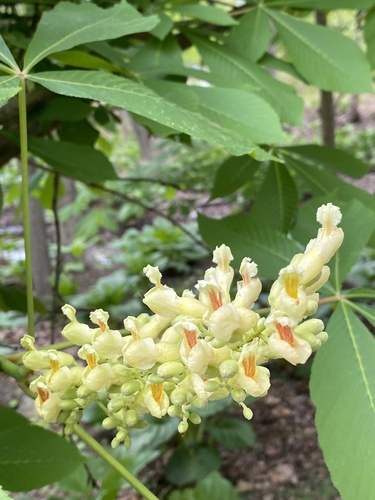
Aesculus flava
Sweet buckeye, Horse Chestnut, Yellow Buckeye
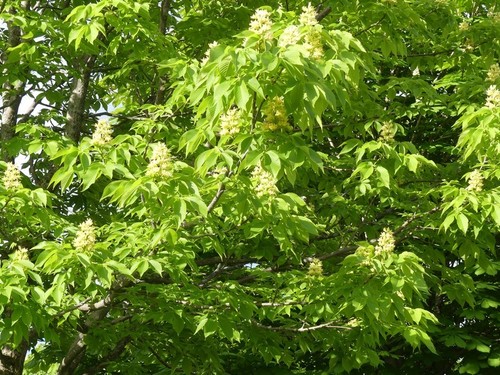
Aesculus glabra
Ohio buckeye, Fetid buckeye
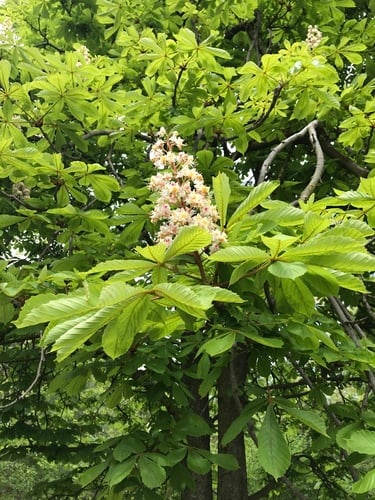
Aesculus hippocastanum
European horse chestnut
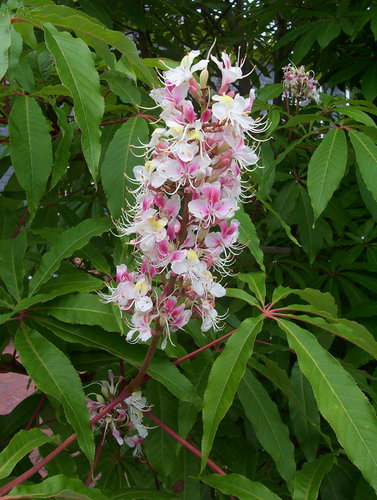
Aesculus indica
Indian chestnut, Indian horse chestnut
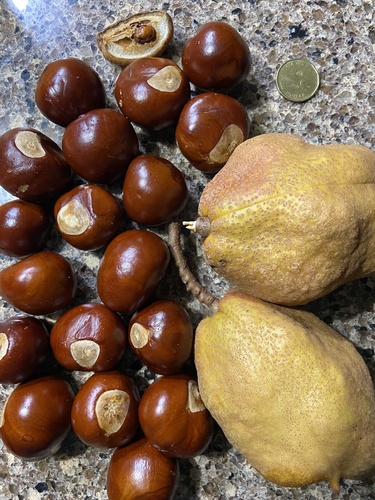
Aesculus octandra
Yellow buckeye, Sweet buckeye, Big buckeye
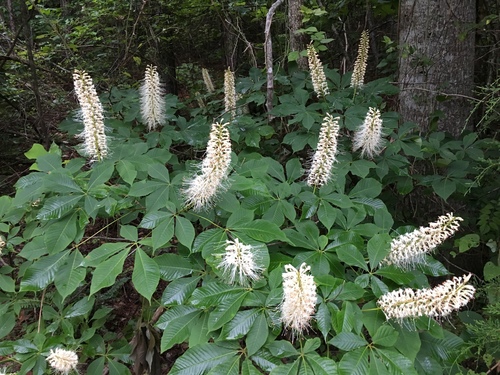
Aesculus parviflora
Dwarf buckeye, Bottlebrush Buckeye