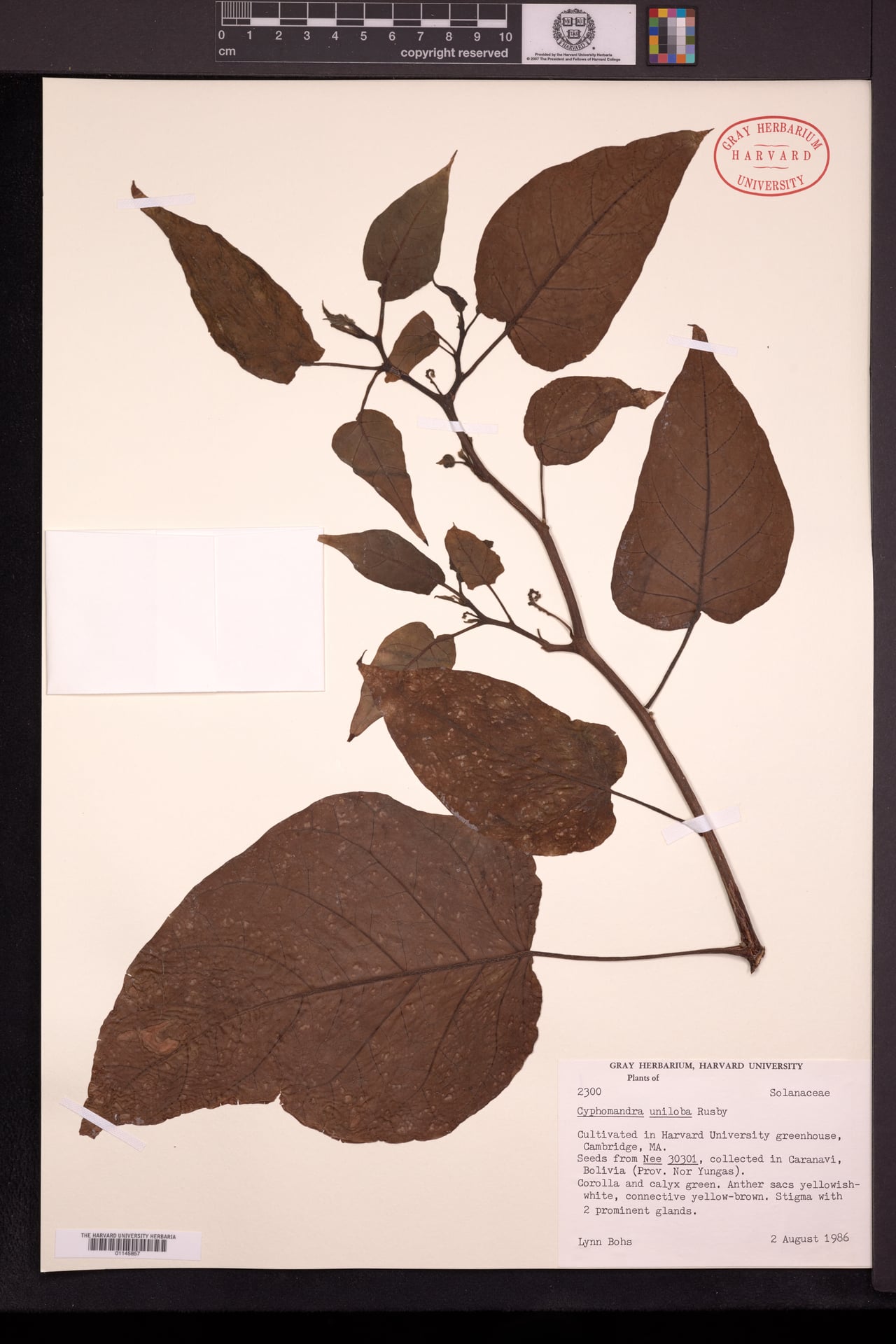
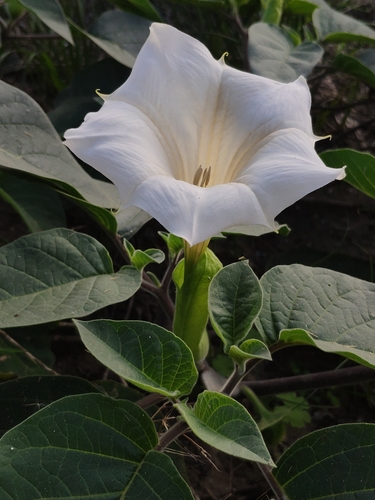
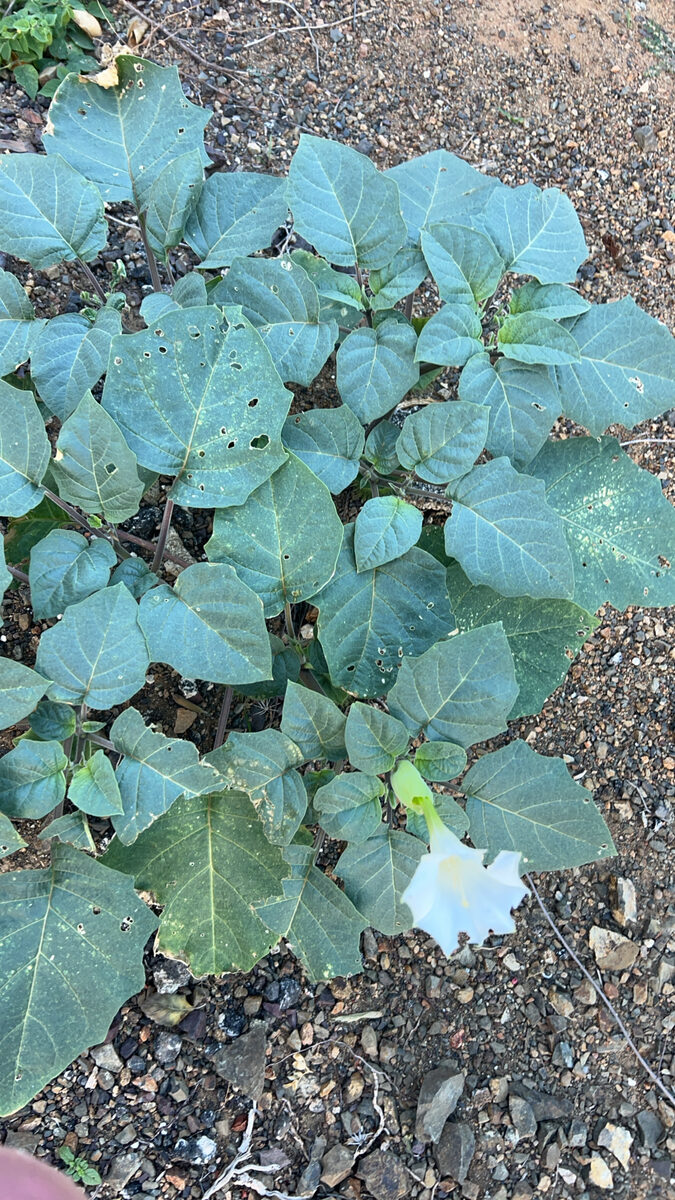
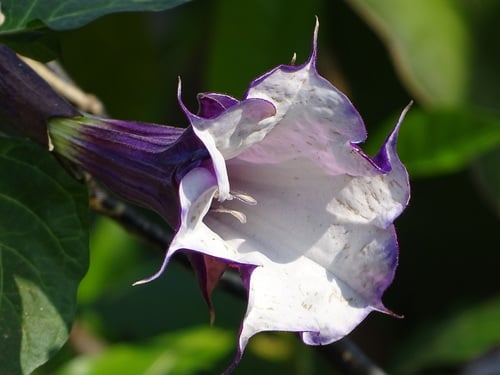
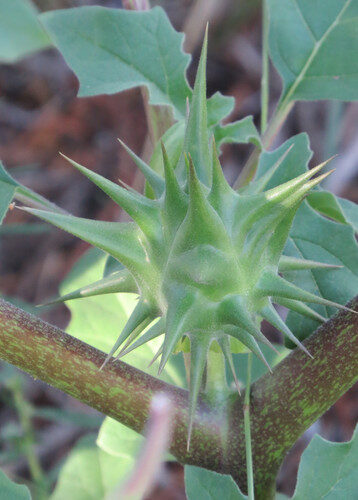
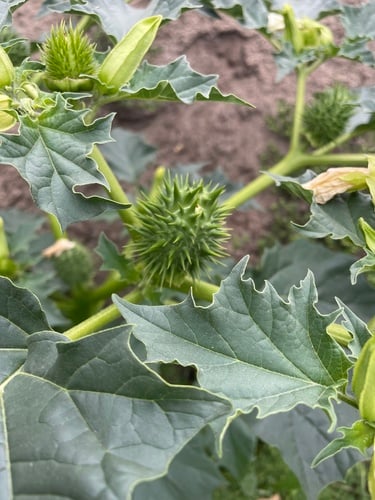
Solanum jamaicense
Mill.
Jamaica nightshade
iNaturalist· cc-by-nc-sa
(c) Reinaldo Aguilar, some rights reserved (CC BY-NC-SA)
iNaturalist· cc-by-nc
(c) Arles García, some rights reserved (CC BY-NC), uploaded by Arles García
iNaturalist· cc-by-nc
(c) Johan Urrea Cardenas, some rights reserved (CC BY-NC), uploaded by Johan Urrea Cardenas
Description
A small thorny shrub. It grows 1 m tall. It is loosely spreading. It has a yellow coating. The flowers are white. The fruit are round and bright red.
Edible Uses
Fruit. The fruit is a thin-skinned, globose berry, 4- 12mm in diameter, mottled green when immature, mottled orange or red when mature.
Medicinal Uses
A decoction of the roots and leaves is used as an anthelmintic and to treat thrush in children. A warm decoction of the leaves is used as a wash for the elimination of body parasites. The plant contains steroidal sapogenins.
Known Hazards
Although providing many well-known foods for people, including the potato, tomato, pepper and aubergine, most species in this genus also contain toxic alkaloids. Whilst these alkaloids can make the plant useful in treaing a range of medical conditions, they can also cause problems such as nausea, vomiting, salivation, drowsiness, abdominal pain, diarrhoea, weakness and respiratory depression. Unless there are specific entries with information on edible uses, it would be unwise to ingest any part of this plant.
Distribution
It is a tropical plant. It grows in the humid lowlands.
Where It Grows
Amazon, Belize, Bolivia, Brazil, Colombia, Dominican Republic, Ecuador, Greater Antilles, Guyana, Jamaica, Lesser Antilles, Mexico, Nicaragua, North America, Panama, Peru, Puerto Rico, South America, Trinidad-Tobago, USA, Venezuela, West Indies, Windward Is.,
Propagation
Seed - sow in trays in a nursery. Prick out the seedlings into individual pots when they are large enough to handle and grow them on fast. Plant them out when 10cm or more tall. Cuttings of half-ripe wood. Very easy, the cuttings root within a couple of weeks.
Synonyms
Also Known As
Ajicon, Coconilla con espinas, Friega plato
References (7)
- Kermath, B. M., et al, 2014, Food Plants in the Americas: A survey of the domesticated, cultivated and wild plants used for Human food in North, Central and South America and the Caribbean. On line draft. p 819
- Kew Plants of the World Online
- Medina, M. A. et al, 2007, Survey of cultivated and wild edible plant species used in the Department of Choco, Colombia. Plant Genetic Resources News letter, 2007, No. 150:35-44
- NYBG Herbarium "edible"
- Roa, J. A. G. & Boada, D. S. G., 2018, Fundación para el Fortalecimiento de la Fruticultura y Plantas Alimenticias no Convencionales en Colombia.
Show all 7 references Hide references
- Samuels, J., 2015, Biodiversity of Food Species of the Solanaceae Family: A Preliminary Taxonomic Inventory of Subfamily Solanoideae. Resources 2015, 4. 277-322
- Vasquez, R. and Gentry, A. H., 1989, Use and Misuse of Forest-harvested Fruits in the Iquitos Area. Conservation Biology 3(4): 350f