Dysphania schraderiana
(Schult.) Mosyakin & Clemants
Schrader's spinach
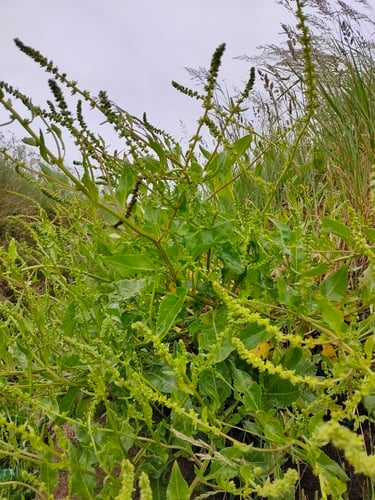
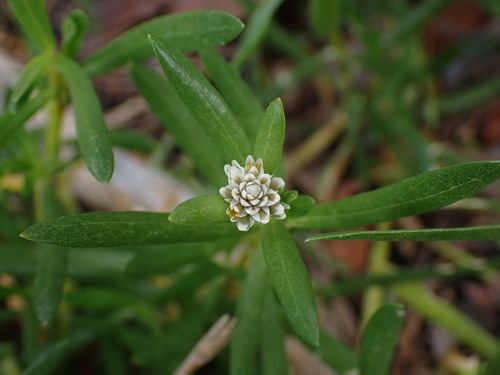
iNaturalist· cc-by-nc
(c) Jane Trembath, some rights reserved (CC BY-NC), uploaded by Jane Trembath
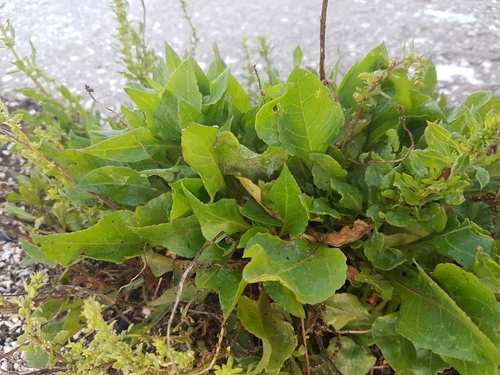
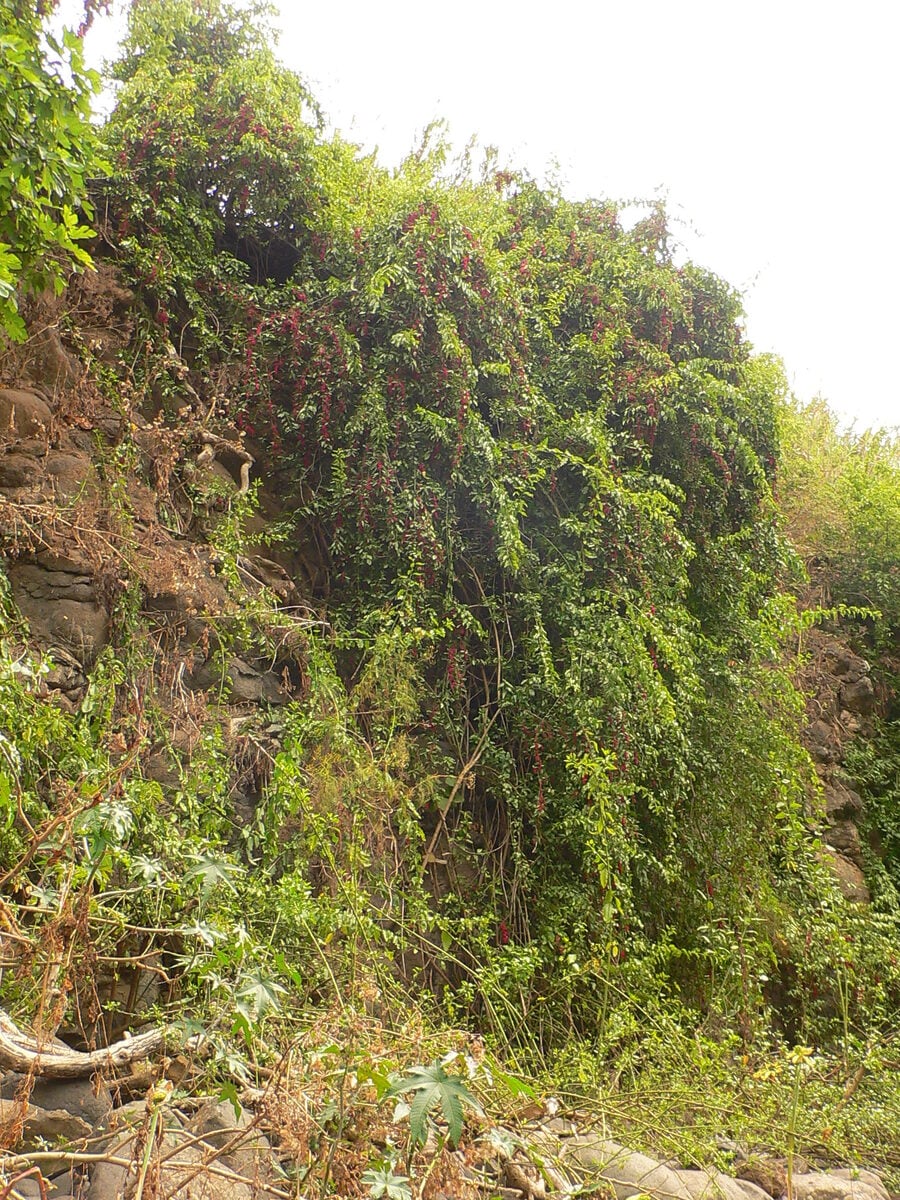
iNaturalist· cc-by-nc
(c) Jane Trembath, some rights reserved (CC BY-NC), uploaded by Jane Trembath
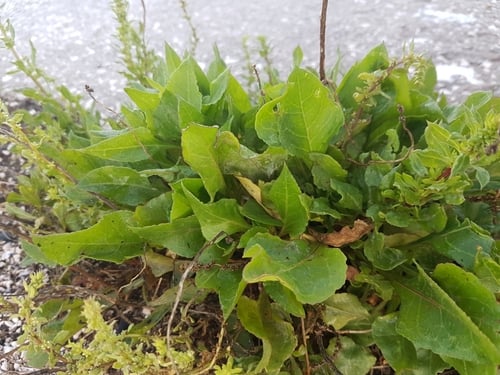
iNaturalist· cc-by-nc
(c) Jane Trembath, some rights reserved (CC BY-NC), uploaded by Jane Trembath
Description
A herb. The stems are 60-130 cm high. The upper parts are hairy. The leaves are divided. The leaf blade is 3-12 cm long. There are glands under the leaf. The flower arrangement is loose.
Edible Uses
The leaves and seeds are edible.
Distribution
A tropical plant. It grows at higher altitudes in the tropics.
Where It Grows
Africa, Angola, Asia, Botswana, Central Africa, Chad, China, East Africa, Eritrea, Ethiopia, Lesotho, Middle East, Mozambique, Namibia, N Africa, Russia, Saudi Arabia, South Africa, Southern Africa, Yemen, Zambia, Zimbabwe,
Notes
There are about 100-150-250 Chenopodium species. They are mostly in temperate regions. Also put in the family Chenopodiaceae.
Synonyms
References (5)
- Fowler, D. G., 2007, Zambian Plants: Their Vernacular Names and Uses. Kew. p 78 (As Chenopodium schraderianum)
- Plants for a Future database, The Field, Penpol, Lostwithiel, Cornwall, PL22 0NG, UK. http://www.scs.leeds.ac.uk/pfaf/ (As Chenopodium schraderianum)
- Syst. veg. 6:260. 1820 (As Chenopodium schraderianum)
- Thiselton-Dywer, W.T., (Ed.), 1913, Flora of Tropical Africa. Vol VI-section 1. Reeve, p 80 (As Chenopodium schraderianum)
- World Checklist of Useful Plant Species 2020. Royal Botanic Gardens, Kew