Cussonia transvaalensis
Reyneke
iNaturalist· cc-by-nc-sa
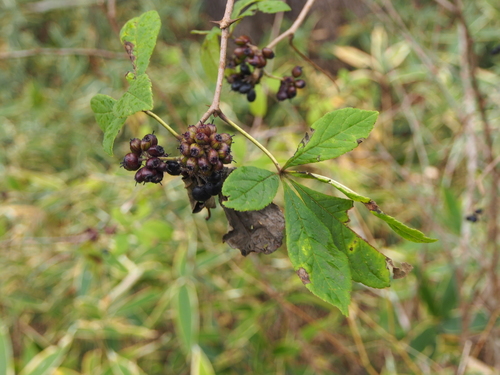
(c) David Hoare, some rights reserved (CC BY-NC-SA), uploaded by David Hoare
iNaturalist· cc-by-nc
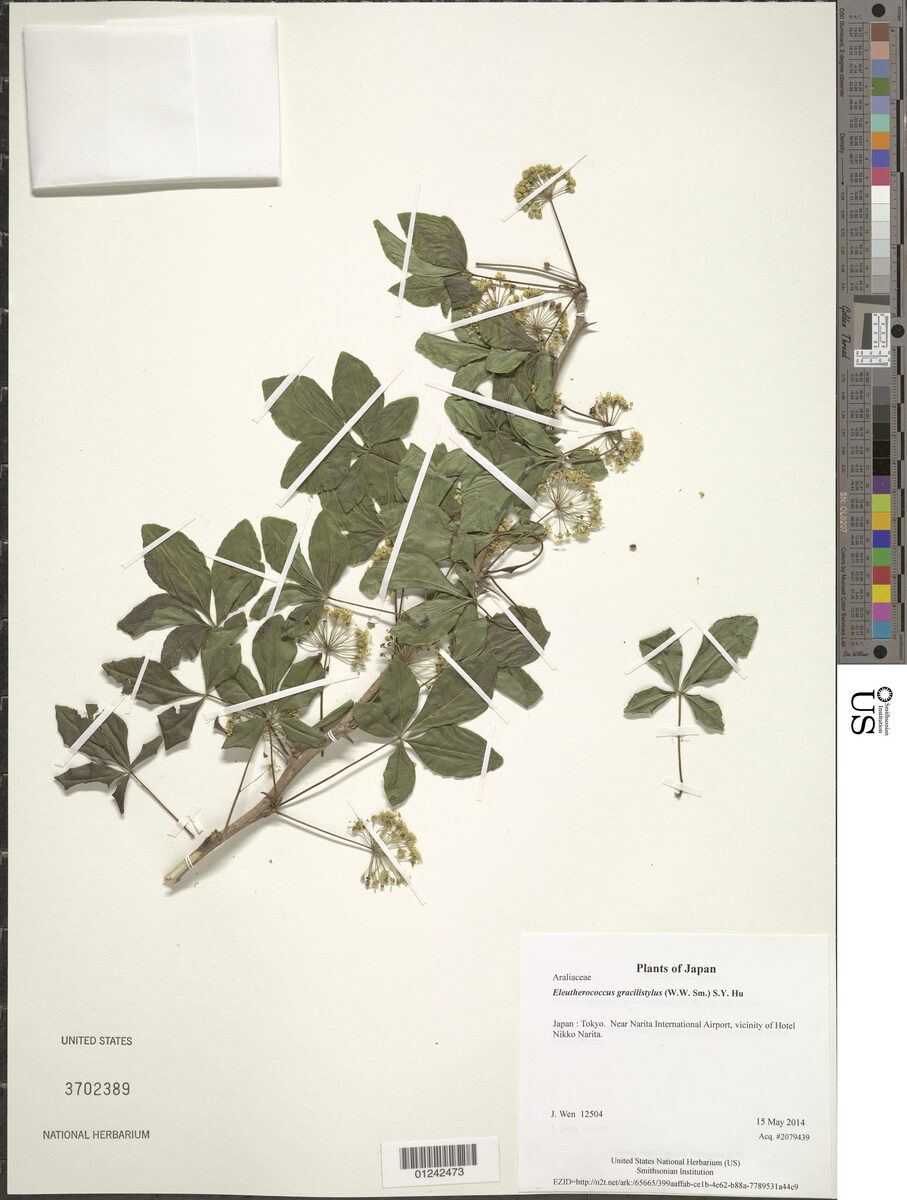
(c) Richard Gill, some rights reserved (CC BY-NC)
Description
A subtropical tree growing to 5 m tall with deeply cracked bark, found on rocky slopes in hot, dry wooded savannah where it can tolerate light frosts and drought once established.
Edible Uses
The roots are succulent and edible.
Traditional Uses
The roots are succulent and edible.
This uses section is brief — help expand it
Medicinal Uses
The mashed roots have been used in the treatment of malaria.
Distribution
It is a subtropical plant. It grows on rocky slopes in hot, dry, wooded savannah. It can tolerate light frosts. It is best in a sunny position in a well-drained soil. Once established plants can tolerate drought.
Where It Grows
Africa, South Africa, Southern Africa,
Cultivation
Plants can be grown from fresh seeds. Seeds take about 3-8 weeks to germinate. Seedlings are best transplanted after one year/
Propagation
Seed - best sown as soon as it is ripe. After washing the thin layer of pulp off the seed, it should be sown immediately into seed trays in a fine seedling germination mixture and covered lightly. Seed may take from three to eight weeks to germinate. Seedlings are best left in the tray for the first year and transplanted into individual containers at the beginning of the second growing season. They can be ready to plant out into their permanent positions 2 years later.
Other Uses
The wood is soft and was historically used for the manufacture of brake-blocks for ox-wagons.
References (1)
- Fern, K., 2012, Tropical Species Database http://theferns.info/tropical/