Castanopsis tungurrut
(Blume) A. DC.
Berangan tree, Chinkapins tree
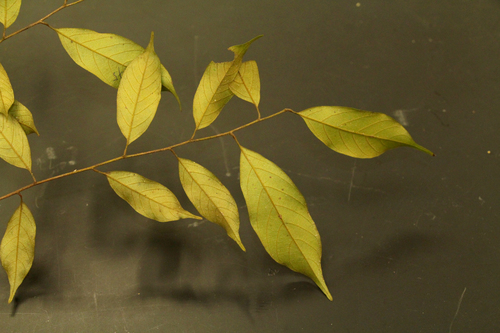
iNaturalist· cc-by-nc
(c) Hani Ristiawan, some rights reserved (CC BY-NC), uploaded by Hani Ristiawan
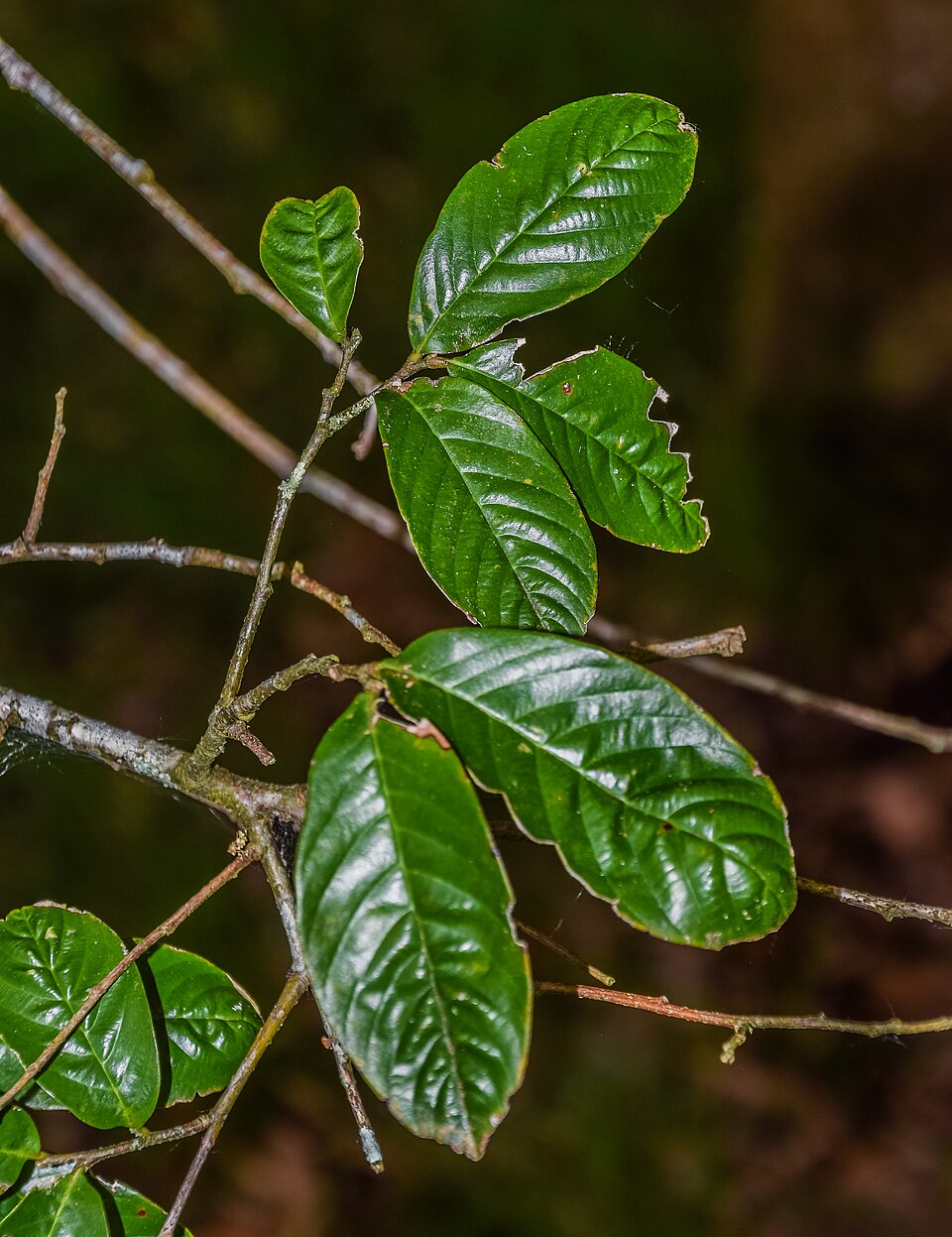
iNaturalist· cc-by-nc
(c) Hani Ristiawan, some rights reserved (CC BY-NC)
Description
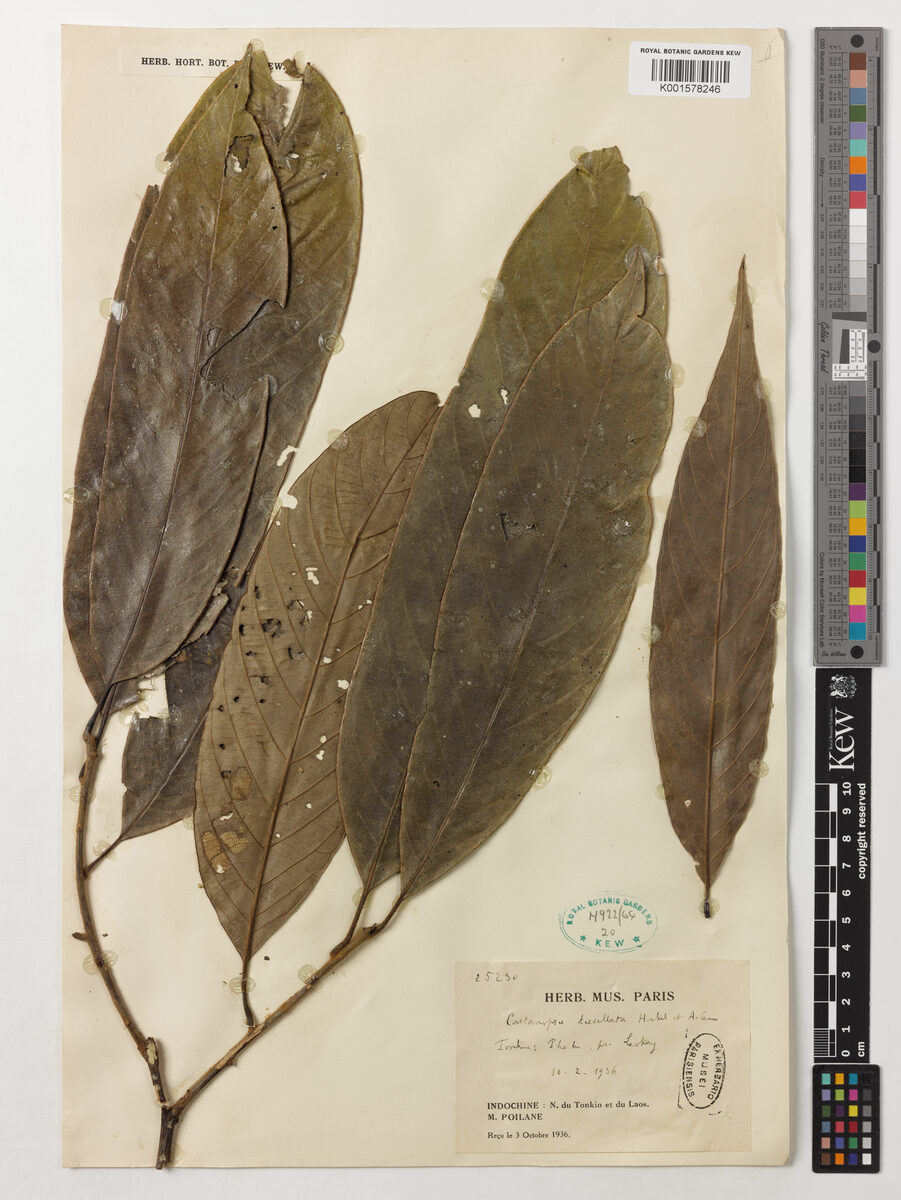
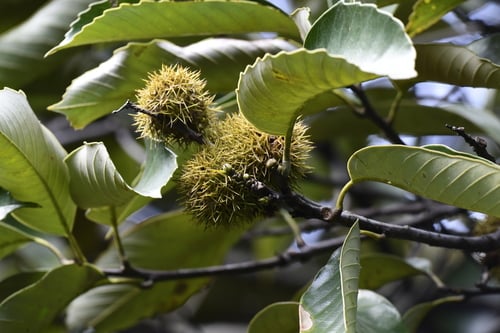
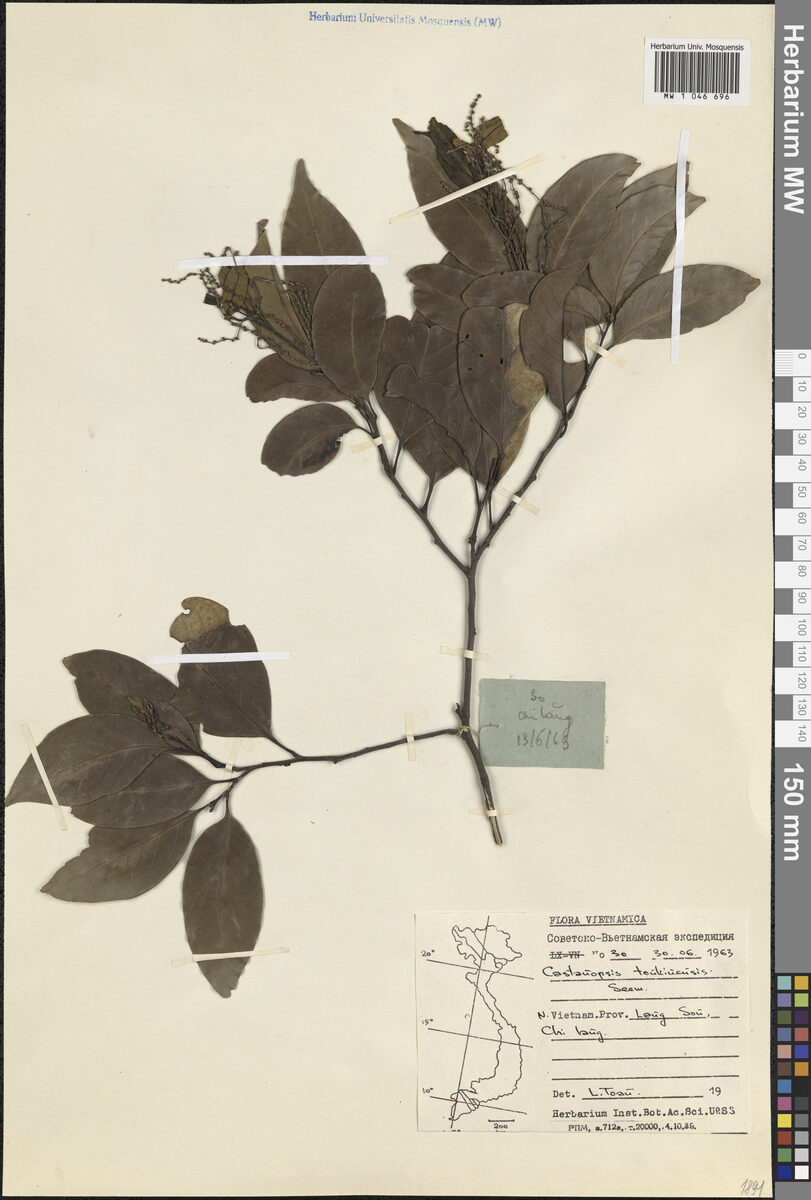
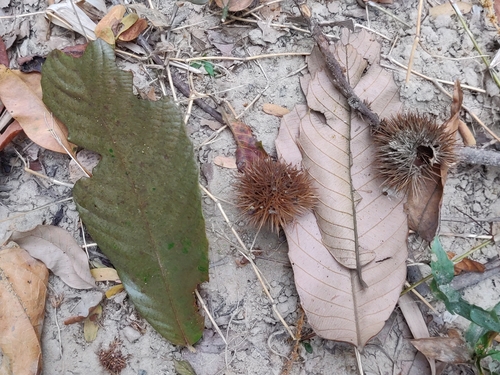
An evergreen tree. It grows 20-25 m tall. The trunk can be 60 cm across. The leaves are narrowly oval and 10-22 cm long by 5-8 cm wide. The base is rounded and they taper to the tip. The seeds are hairy. The seed can be 4 cm long by 2 cm wide. It is held in a spiny seed case.
Edible Uses
The seeds are roasted and eaten.
Traditional Uses
The seed is roasted and eaten.
This uses section is brief — help expand it
Distribution
It is a tropical plant. It grows in lowland forests and up to 1,500 m above sea level.
Where It Grows
Asia, Indonesia, Malaysia, SE Asia,
Cultivation
Plants can be grown from seeds.
Propagation
Seed - easy to germinate if sown fresh. Self-sown seedlings can be transplanted.
Other Uses
The bark is a source of tannins and can be used as a dye, to weatherproof fibres etc. The branches and stems of many Castanopsis species are used as bed logs in mushroom cultivation. The wood is used for construction. The wood is a good fuel and can be used to make charcoal.
Production
Trees flower and fruit all year round.
Synonyms
Also Known As
Berangan tunggurut, Kalimorot, Karaka, Pohon barangan, Pohon kalimorot, Tanggeureuk, Tunggeuruek, Tungurut
References (7)
- Fern, K., 2012, Tropical Species Database http://theferns.info/tropical/
- Flora Malesiana Series 1.
- Milow, P., et al, 2013, Malaysian species of plants with edible fruits or seeds and their evaluation. International Journal of Fruit Science. 14:1, 1-27
- Priyadi, H., et al, Five hundred plant species in Gunung Halimun Salak National Park West Java. A checklist including Sundanese names, distribution and use. CIFOR, FFPRI, SLU p 165
- Slik, F., www.asianplant.net
Show all 7 references Hide references
- Sukarya, D. G., (Ed.) 2013, 3,500 Plant Species of the Botanic Gardens of Indonesia. LIPI p 184
- World Checklist of Useful Plant Species 2020. Royal Botanic Gardens, Kew