Chenopodium simplex
(Torr.) Raf.
Giant-seed Goosefoot, Mapleleaf Goosefoot
iNaturalist· cc-by-nc
(c) Stephen Sentoff, some rights reserved (CC BY-NC)
iNaturalist· cc-by-nc
(c) James, some rights reserved (CC BY-NC)
iNaturalist· cc-by-nc
(c) James, some rights reserved (CC BY-NC)
Summary
Source: WikipediaAnnual herb reaching 1.2 m tall with wind-pollinated hermaphroditic flowers blooming July to October and seeds ripening August to October. Grows in light sandy, medium loamy, and heavy clay soils at mildly acid to basic pH. Requires full sun and moist soil conditions.
Description
Annual herb reaching 1.2 m tall with wind-pollinated hermaphroditic flowers blooming July to October and seeds ripening August to October. Grows in light sandy, medium loamy, and heavy clay soils at mildly acid to basic pH. Requires full sun and moist soil conditions.
Edible Uses
Leaves can be cooked and used like spinach, though raw leaves should only be eaten in small quantities due to toxicity concerns. The seed can be cooked and ground into a powder for blending with wheat or other cereal flours when making bread and similar foods. The seeds are small and fiddly; soak them overnight and rinse thoroughly before use to remove any saponins.
Traditional Uses
The leaves are used as a potherb or in salads. The seeds can be ground into a meal.
This uses section is brief — help expand it
Medicinal Uses
None known.
Known Hazards
Sphaeraphides occur in the leaves, stem, pith and mesophloem.
Distribution
It is a temperate plant.
Where It Grows
Canada, North America, USA,
Propagation
Sow seed in spring directly in situ. Most of the seed typically germinates within a few days of sowing.
Other Uses
Gold and green dyes can be obtained from the whole plant.
Notes
There are about 100-150-250 Chenopodium species. They are mostly in temperate regions. Also put in the family Chenopodiaceae.
Synonyms
References (3)
- Kermath, B. M., et al, 2014, Food Plants in the Americas: A survey of the domesticated, cultivated and wild plants used for Human food in North, Central and South America and the Caribbean. On line draft. p 219
- Plants for a Future database, The Field, Penpol, Lostwithiel, Cornwall, PL22 0NG, UK. http://www.scs.leeds.ac.uk/pfaf/ (As Chenopodium gigantospermum)
- Repert. Spec. Nov. Regni Veg. 26:144. 1929 (As Chenopodium gigantospermum)
More from Amaranthaceae
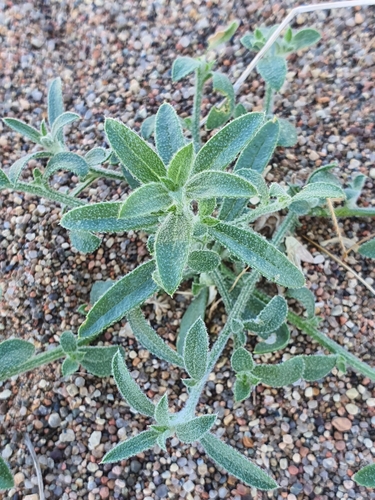
Agriophyllum squarrosum
Sand weed grain, Sand weed
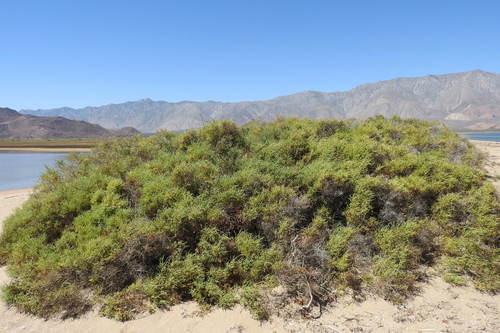
Allenrolfea occidentalis
Iodine bush, Pickleweed
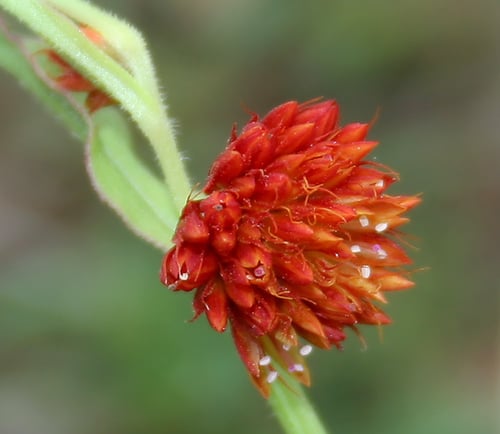
Allmania nodiflora
Node flower allmania
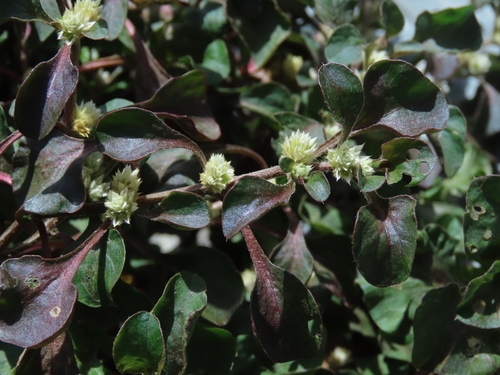
Alternanthera bettzickiana
Border plant, Calico plant
Alternanthera brasiliana
Brazil chaff-flower, Brazilian joyweed
Alternanthera denticulata
Narrow-leaved lesser joyweed