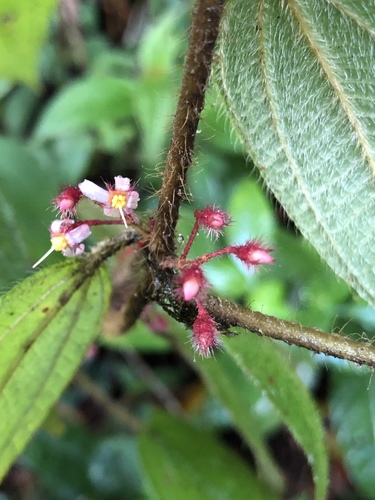
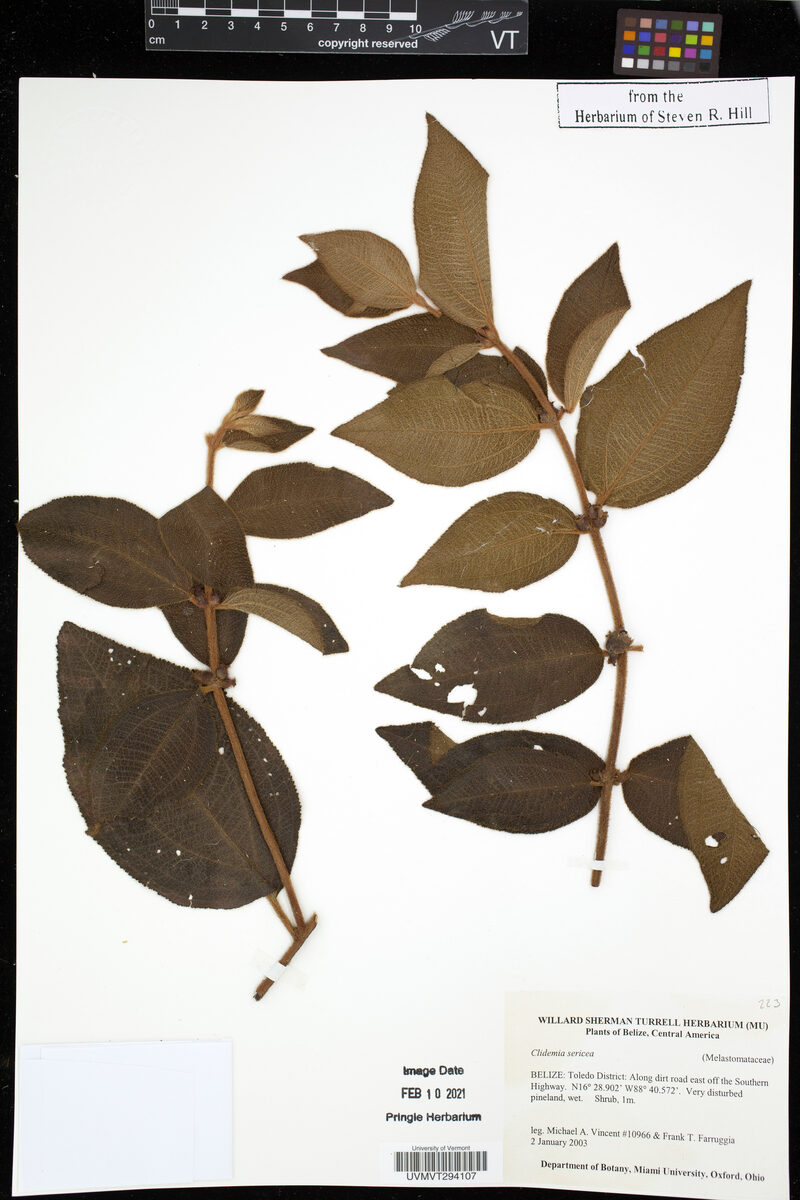
Sonerila maculata
Roxb.
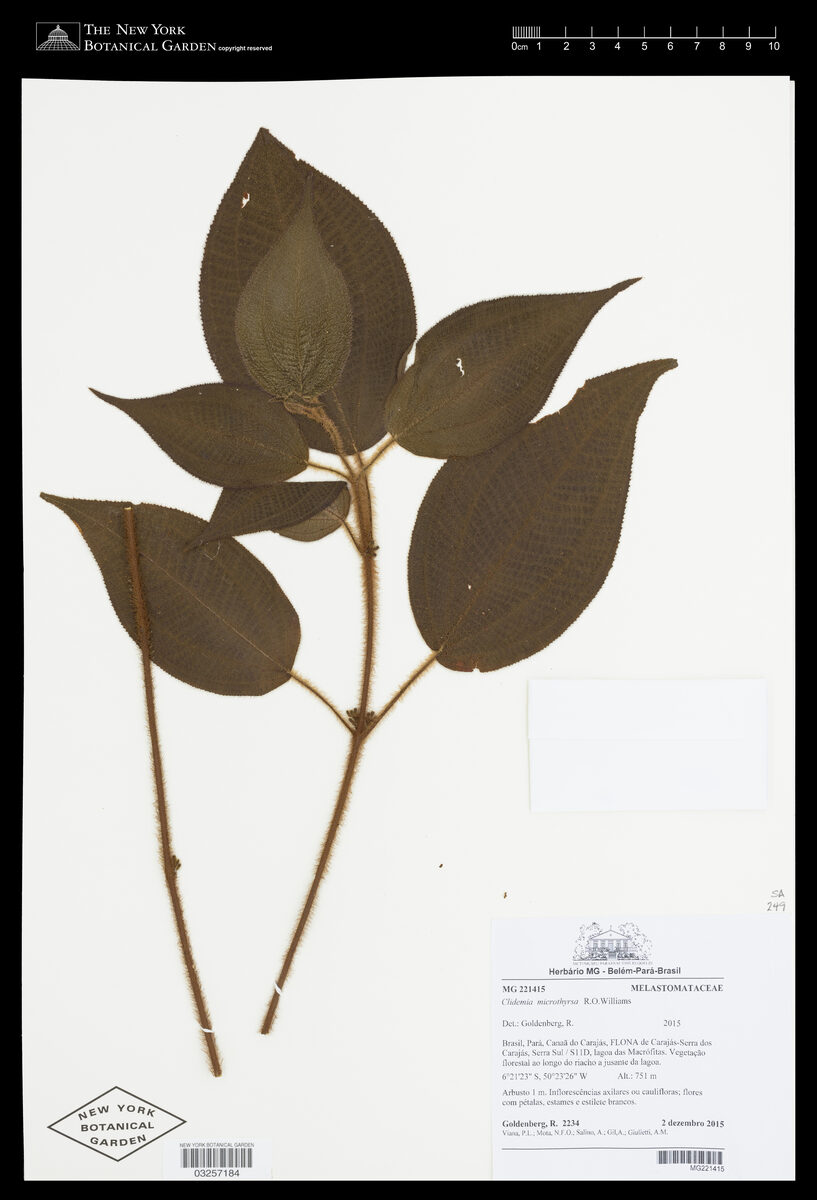
iNaturalist· cc-by-nc
(c) Thomas Calame, some rights reserved (CC BY-NC)
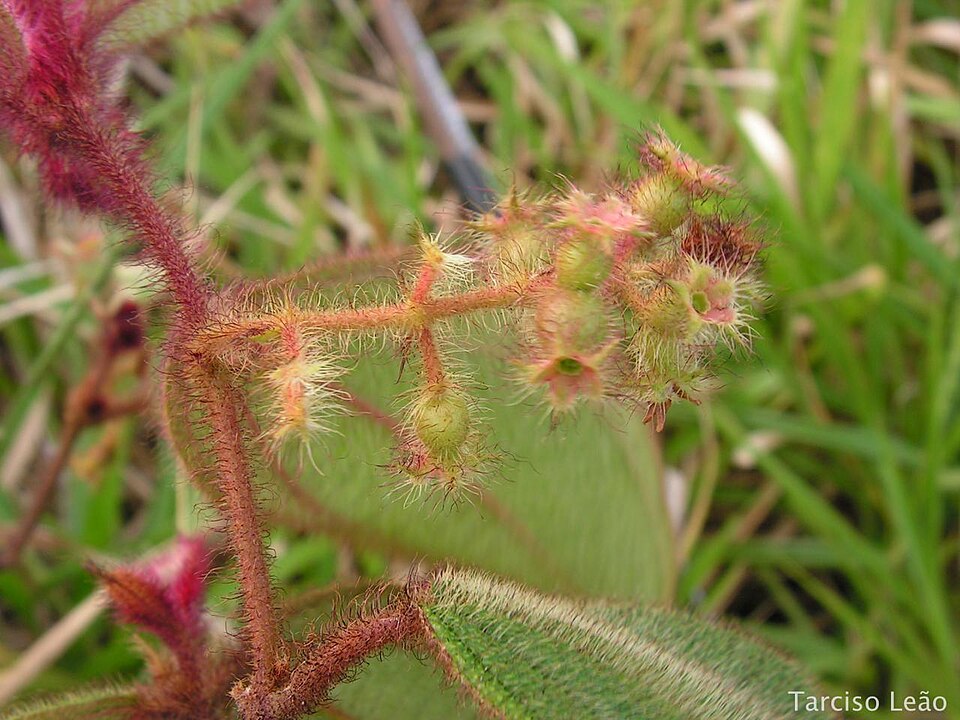
iNaturalist· cc-by-nc
(c) Luis de Ossorno, some rights reserved (CC BY-NC)
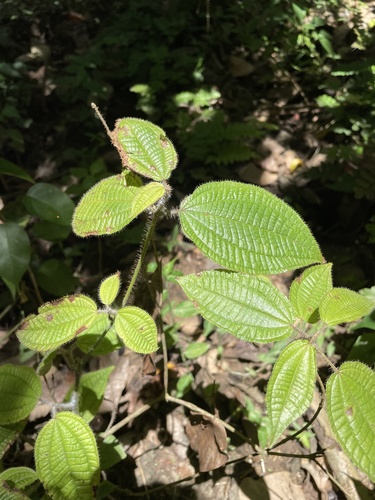
iNaturalist· cc-by-nc
(c) yilingshenchu, some rights reserved (CC BY-NC)
Description
A herb. It grows 20-30 cm tall. It can have runners. The stems are 4 sided. The leaves are oval and 6 cm long by 3-5 cm wide. There are teeth along the edge. The flowering shoots are at the end of stems. The fruit is a 3 sided capsule.
Edible Uses
The leaves are cooked and eaten as a vegetable.
Traditional Uses
The leaves are cooked and eaten as a vegetable.
This uses section is brief — help expand it
Distribution
It grows in thickets, on hill sides and along streams in damp shaded places between 100-1,300 m above sea level in southern China. In Yunnan.
Where It Grows
Asia, Bhutan, Cambodia, Himalayas, India, Indochina, Indonesia, Laos, Malaysia, Myanmar, Nepal, Northeastern India, SE Asia, Thailand, Tibet, Vietnam,
Synonyms
Also Known As
Jakmalo, Takmolo
References (3)
- Balkrishna, A., et al, 2022, Indigenous Uses of Plants among Forest-dependent Communities of Seijosa, Arunachal Pradesh. International Journal of Economic Plants 2022, 9(1):064-080
- Murtem, G. & Chaudhrey, P., 2016, An ethnobotanical note on wild edible plants of Upper Eastern Himalaya, India. Brazilian Journal of Biological Sciences, 2016, v. 3, no. 5, p. 63-81
- Srivastava, R. C., 2010, Traditional knowledge of Nyishi (Daffla) tribe of Arunachal Pradesh. Indian Journal of Traditional Knowledge. 9(1):26-37