Miconia longifolia
(Aubl.) DC
Mispel
iNaturalist· cc-by-nc
(c) Randall Jiménez, some rights reserved (CC BY-NC), uploaded by Randall Jiménez
iNaturalist· cc-by-nc
(c) Cody Limber, some rights reserved (CC BY-NC)
iNaturalist· cc0
no rights reserved
Description
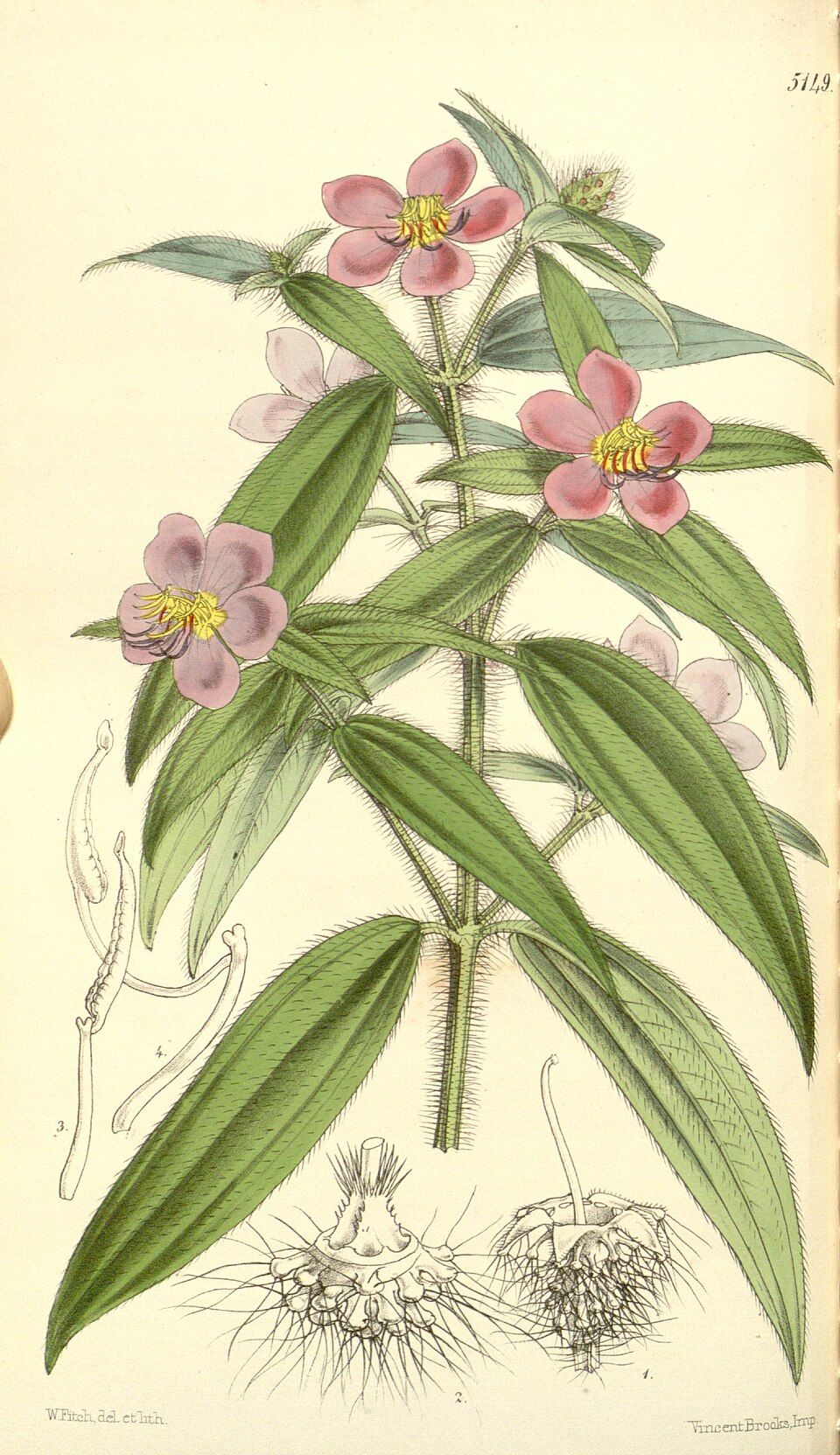
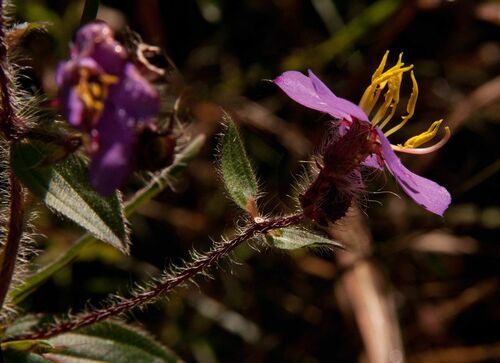
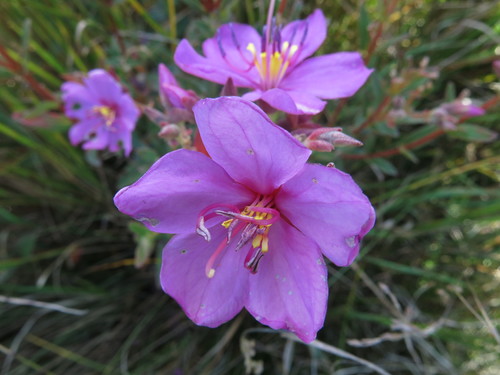
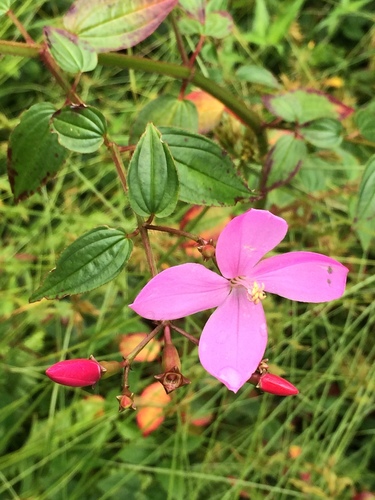
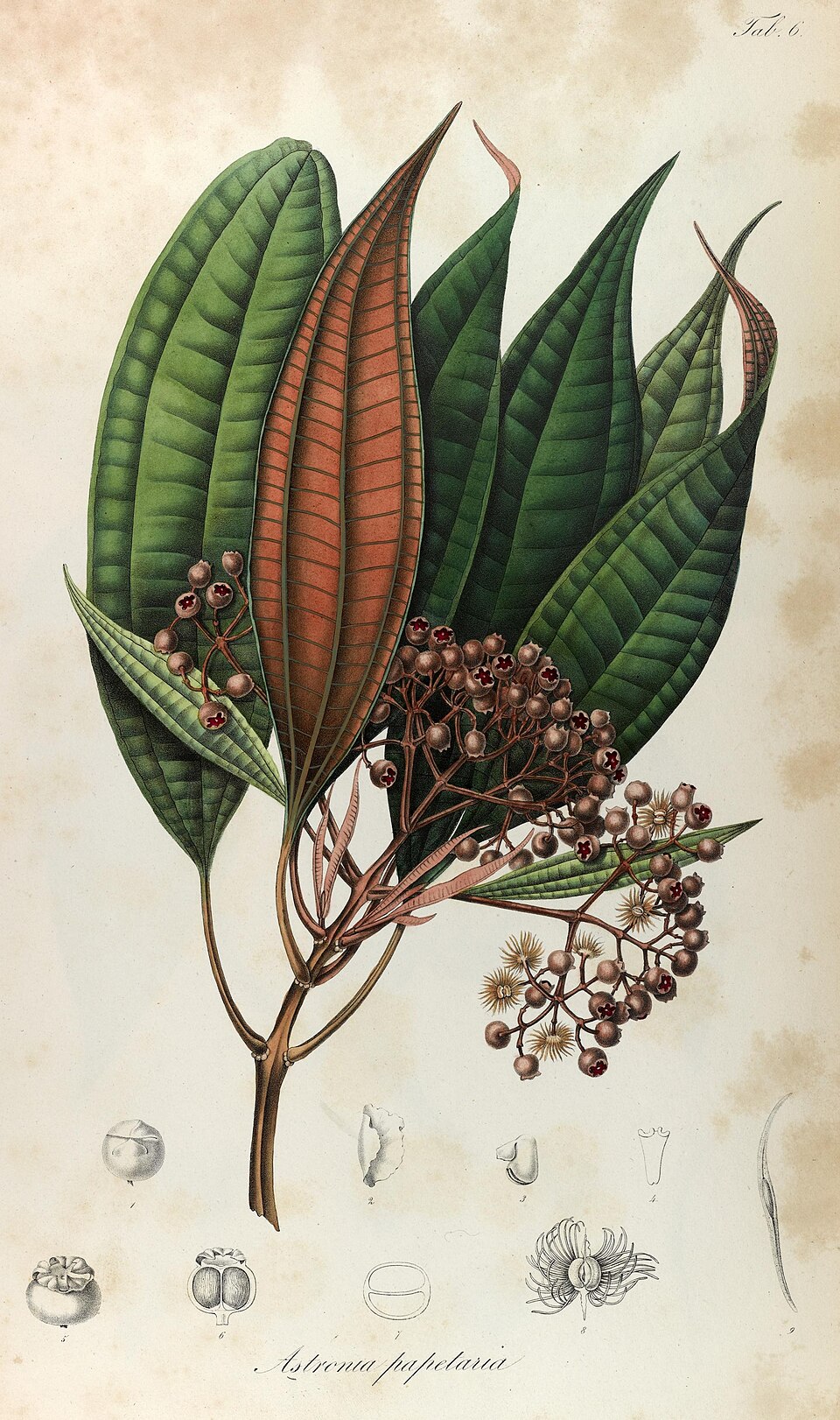
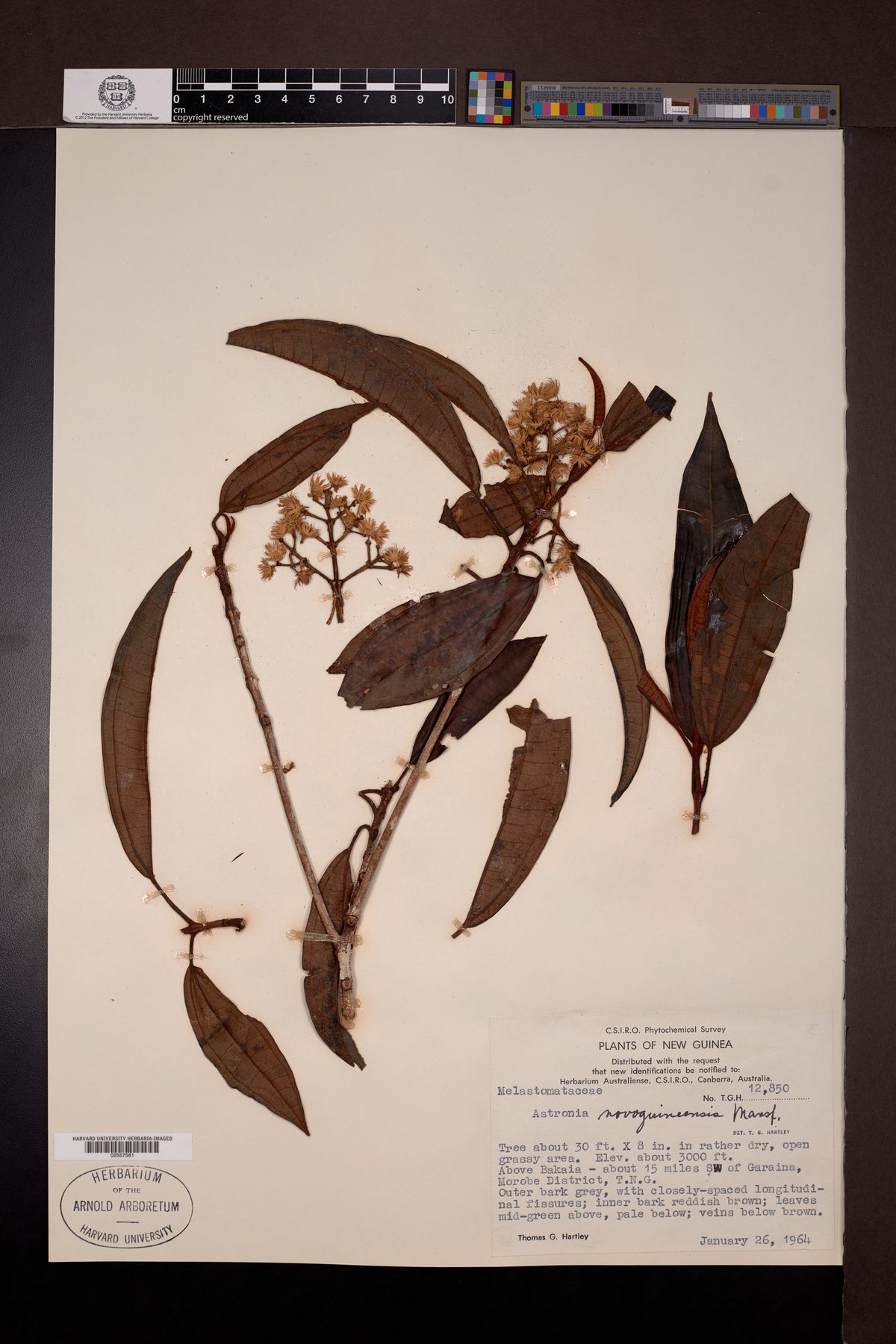
A shrub or tree. It grows 13 m tall. The flowers are along stalks 5-15 cm long. These are widely branched and reddish-purple. The fruit do not has stalks. The fruit are a flattened berry. They are 0.4 cm long by 0.3 cm wide. They are green but then turn yellow, orange, red, purple then black. The pulp is edible. The seeds are an irregular, angular oval shape. They are 0.15 cm long by 0.1 cm wide. They are brown and shiny.
Edible Uses
The fruit pulp is eaten raw, and the seeds are also consumed.
Traditional Uses
The fruit are eaten raw. The seeds are also eaten.
This uses section is brief — help expand it
Distribution
It is a tropical plant. It grows in forests near rivers and in secondary forests. It grows in the lowlands and up to 1,000 m above sea level.
Where It Grows
Amazon, Belize, Bolivia*, Brazil, Central America, Colombia*, Costa Rica, Ecuador*, French Guiana, Guatemala, Guianas, Guyana, Honduras, Leeward Islands, Mexico, Nicaragua, North America, Panama, Peru*, South America, Suriname, Trinidad-Tobago, Venezuela, Winward Is.,
Other Uses
The heartwood is dull brown; the sapwood pale brown or pinkish. The texture is moderately fine; the grain can be straight or irregular. It is likely to check in drying. The wood is fairly heavy and strong; it is susceptible to insect attacks. It takes a smooth, fairly lustrous finish, but splinters rather readily. The wood is esteemed for general carpentry and house construction.
Synonyms
Also Known As
Mesproe, Loto-oedoe, Mesoepoe, Nispero, Pixirica, Quiebra hueso, Rifari, Rifarillo, Tire, Vino huayo, Waraia
References (6)
- Bendezu, Y. F., 2018, Arboles nativos de lad Region Ucayali. Instituto Nacional de Innovacion Agraria. p 202
- Fouqué, A., 1972, Espèces fruitières d'Amérique tropicale. Institut français de recherches fruitierès outre-mer
- Kew Plants of the World On line
- Segura, S., et al, 2018, The edible fruit species in Mexico. Genet Resour Crop Evol (2018) 65:1767–1793
- Smith, N., et al, 2007, Amazon River Fruits. Flavors for Conservation. Missouri Botanical Gardens Press. p 176
Show all 6 references Hide references
- van Roosmalen, M.G.M., 1985, Fruits of the Guianan Flora. Utrecht Univ. & Wageningen Univ. p 278