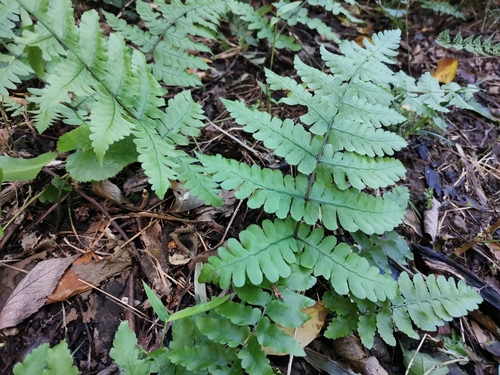
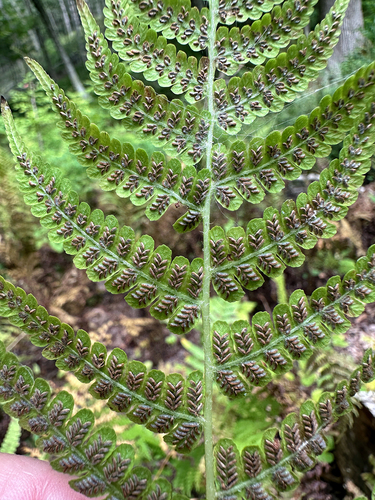
Diplazium subsinuatum
(Wall. ex Hook. & Grev) Tagawa
iNaturalist· cc-by-nc
(c) Allen Chen, some rights reserved (CC BY-NC)
iNaturalist· cc-by-nc
(c) Allen Chen, some rights reserved (CC BY-NC)
iNaturalist· cc-by-nc
(c) Allen Chen, some rights reserved (CC BY-NC)
Description
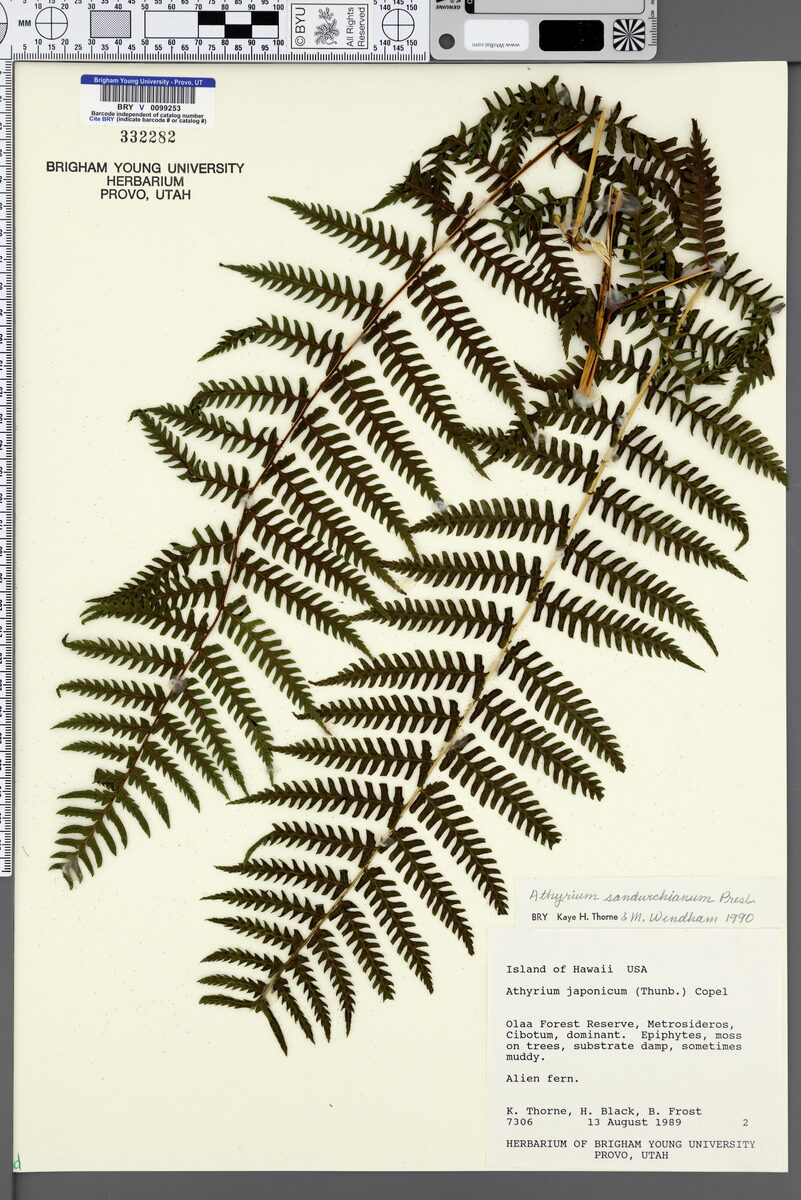
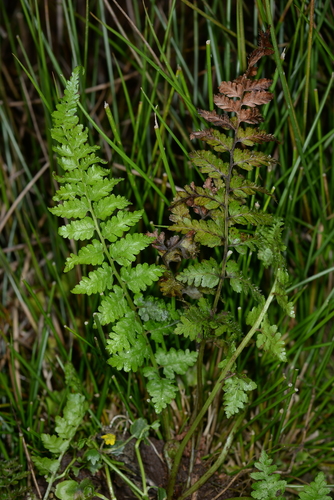
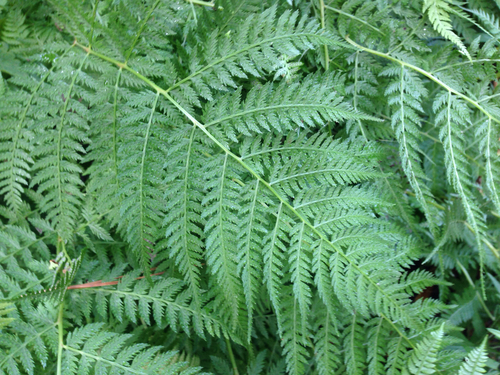
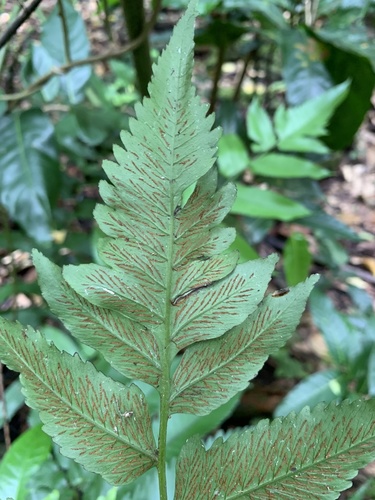
A fern. It has a long creeping rhizome. The stalk is 18 cm long. The blade is simple and narrowly oval. It tapers towards the base and the tip. It is 32 cm long by 3 cm wide.
Edible Uses
The young shoots are cooked and eaten as a vegetable, and the leaves and fronds are also consumed.
Traditional Uses
The young shoots are cooked and eaten as a vegetable.
This uses section is brief — help expand it
Distribution
It grows in the Himalayan region of Arunchal pradesh in India. In Thailand it grows along streams at about 1,175 m above sea level.
Where It Grows
Asia, India, Indochina, Indonesia, Japan, Korea, Laos, Philippines, SE Asia, Sri Lanka, Taiwan, Thailand, Vietnam,
Notes
It has also been put in the family Woodsiaceae. Possibly now Deparia.
Synonyms
Also Known As
Akalama
References (1)
- Srivastava, R. C., 2010, Traditional knowledge of Nyishi (Daffla) tribe of Arunachal Pradesh. Indian Journal of Traditional Knowledge. 9(1):26-37 (As Athyrium lanceum)