Pilea cadierei
Gagnepain & Guillemin
iNaturalist· cc-by-nc-sa
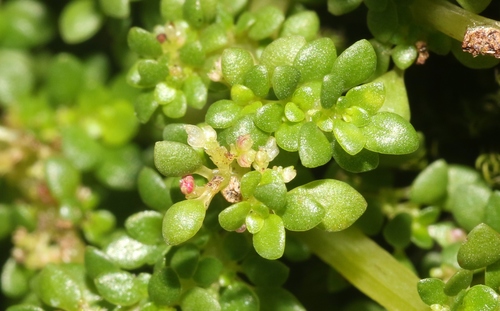
(c) Kai Yan, Joseph Wong, some rights reserved (CC BY-NC-SA)
iNaturalist· cc-by-nc
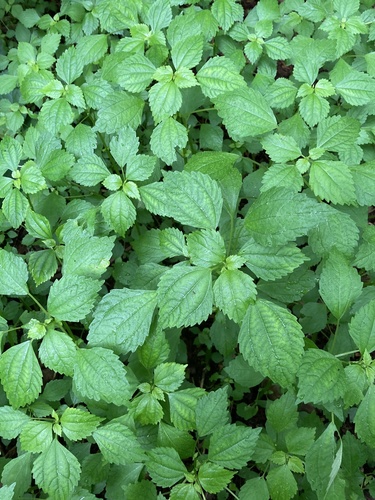
(c) Diego Monsores, some rights reserved (CC BY-NC), uploaded by Diego Monsores
iNaturalist· cc-by-nc
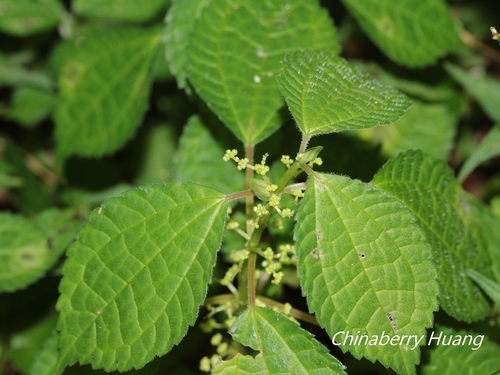
(c) floo_oliveira, some rights reserved (CC BY-NC)
Summary
Source: WikipediaPilea cadierei (or the aluminium plant or watermelon pilea) is a species of flowering plant in the nettle family, Urticaceae. The species is endemic to the southern Chinese provinces of Guizhou and Yunnan, as well as Vietnam. The specific epithet cadierei refers to the 20th-century botanist R.P. Cadière. P. cadierei has earned the Royal Horticultural Society's Award of Garden Merit for its hardiness and reliability as a houseplant. In warmer countries, usually within USDA zones 8–12, the plant may be grown outside year-round as a perennial, either in-ground or contained, and pruned about 50% during the autumn (or whenever blooming concludes).
Description
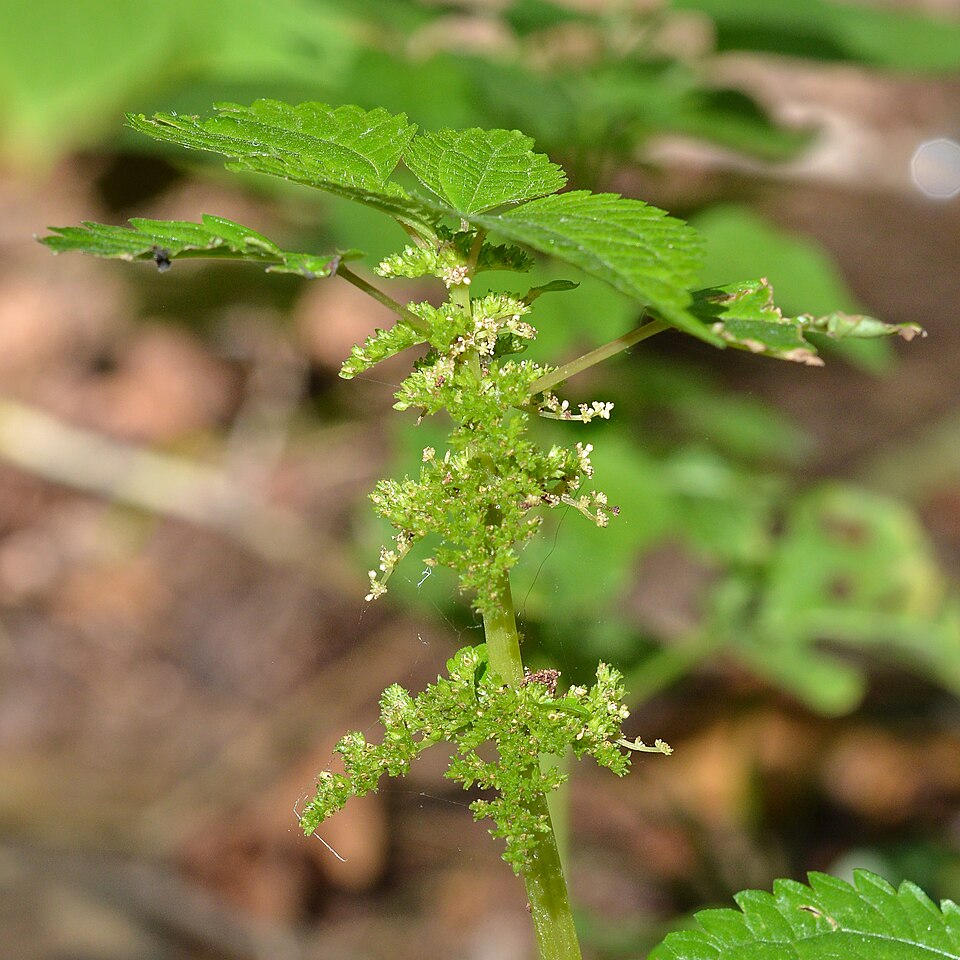
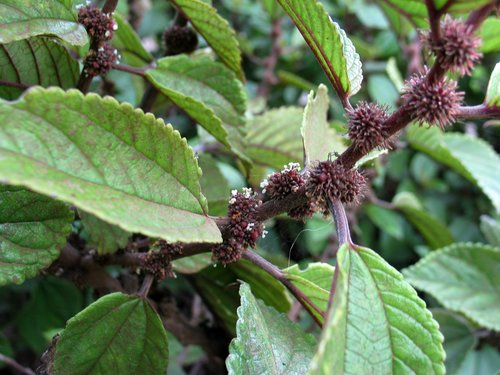
A herb. It is succulent when young. It grows 40 cm tall. It keeps growing from year to year. The stems are 4 angled and swollen at the nodes. The leaves are 9 cm long by 5 cm wide. They are in pairs and oval. There are teeth near the tip. The flowers are in the axils of the leaves. They are in round clusters.
Edible Uses
The leaves are boiled and eaten with chilli sauce.
Traditional Uses
The leaves are boiled and then eaten with chilli sauce.
This uses section is brief — help expand it
Known Hazards
The leaves and stems contain alkaloids and are mildly toxic to some animals - their effect upon humans is unknown. Although a member of the stinging nettle family (Urticaceae), members of this genus do not have stinging hairs.
Distribution
It is a tropical plant. It grows in shaded places in the forest between 500-1,500 m above sea level. It grows in Yunnan in China.
Where It Grows
Antilles, Asia, Bangladesh, Brazil, Central America, China, Costa Rica, Dominican Republic, El Salvador, Fiji, Guatemala, Haiti, Honduras, Indochina, Mexico, Nauru, Pacific, SE Asia, Trinidad-Tobago, Vietnam, West Indies,
Cultivation
Grows best in partial shade. Tolerates a range of soil conditions, from acidic to slightly alkaline and from sandy to clay soils. Requires a moist soil and is tolerant of occasionally very wet conditions. Aluminum Plant forms a thick ground cover within 2 years after planting on 18-inch centers. Unrooted stems can be struck into the ground and will root if kept moist in a shaded location. You can propagate the plant quickly in this manner. Locate the plant in a fully shaded location since foliage on Aluminum Plant will discolor in the sun. Provide for irrigation in dry weather and fertilize regularly to keep the plant thick and looking nice.
Propagation
Seed - Stem tip cuttings root easily.
Other Uses
The plant is an effective ground cover in a shady locality. Leaves are held opposite each other on square, green stems producing a thick ground cover about 30cm tall in a shaded landscape. Small white flowers are produced at the ends of the stems in the summer but they are mostly overshadowed by the conspicuous foliage.
References (4)
- Flora of China @ efloras.org Volume 5
- Ghorbani, A., et al, 2012, A comparison of the wild food plant use knowledge of ethnic minorities in Naban River Watershed Nature Reserve, Yunnan, SW China. Journal of Ethnobiology and Ethnomedicine; 8:17
- http://www.botanic-gardens-ljubljana.com/en/plants
- Kew Plants of the World Online