Ferocactus pilosus
(Galeotti ex Salm-Dyck) Werderm.
Mexican lime cactus
iNaturalist· cc-by-nc
(c) Zona Sujeta a Conservación Ecológica Sierra de Zapalinamé, some rights reserved (CC BY-NC), uploaded by Zona Sujeta a Conservación Ecológica Sierra de Zapalinamé
iNaturalist· cc-by-nc
(c) Manlio Martínez Barona, some rights reserved (CC BY-NC)
iNaturalist· cc-by-nc
(c) Ad Konings, some rights reserved (CC BY-NC)
Summary
Source: WikipediaFerocactus pilosus, also known as Mexican lime cactus (Biznaga De Lima) or Mexican fire barrel, is a species of cactus in North America.
Description
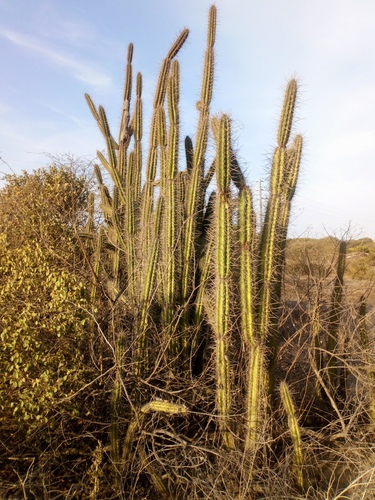
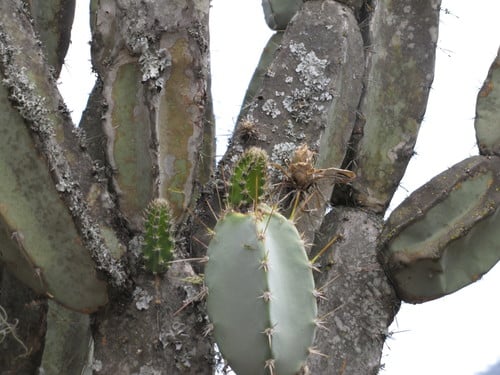
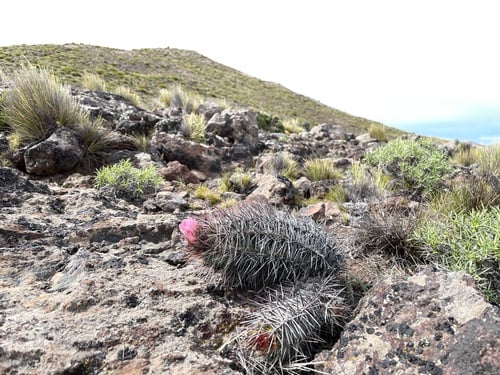
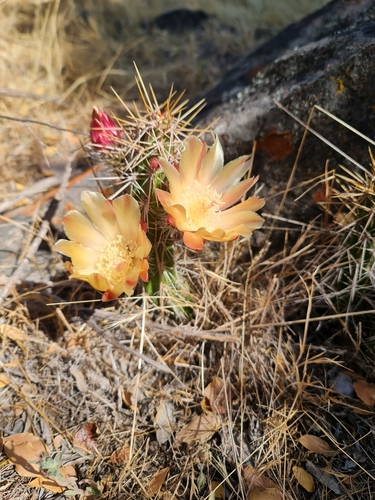
A cactus. It can grow singly or occur as a clump. The stems are column shaped and 3 m tall and 50 cm across. There are 13-20 ribs which become more rounded as the plant matures. There are red or yellow spines. These can be 5 cm long. The flowers are in circles around the stem tips. They are 4 cm long and 2.5 cm across. The fruit is oval and yellow and 3.4 cm long.
Edible Uses
The fruit is eaten raw, the stems are cooked, and the flowers are eaten with sugar.
Traditional Uses
The fruit are eaten raw. The stems are cooked. The flowers are eaten with sugar.
This uses section is brief — help expand it
Distribution
It is a tropical plant. It grows on rocky limestone hillsides and dry and open areas.
Where It Grows
Asia, Indonesia, Mexico*, North America, SE Asia, USA,
Cultivation
Plants can be grown from seeds.
Other Information
It is a cultivated food plant.
Synonyms
Also Known As
Biznaga roja, Kaktus limau meksiko
References (8)
- Astrada, E., et al, 2007, Ethnobotany in the Cumbres de Monterrey National Park, Nuevo Leon, Mexico. Journal of Ethnobiology and Ethnomedicine 3:8
- Desert Survivors Online Plant Database (As Ferocactus stainesii var. pringlei)
- Estrada-Castillon, E., et al, 2014, Ethnobotany in Rayones, Nuevo Leon, Mexico. Journal of Ethnobiology and Ethnomedicine, 10:62
- Hellmuth, N. M., 2013, Maya Ethnobotany. Complete Inventory of plants. Associacion FLAAR Mesoamerica. Thirteenth edition. p 48
- Kermath, B. M., et al, 2014, Food Plants in the Americas: A survey of the domesticated, cultivated and wild plants used for Human food in North, Central and South America and the Caribbean. On line draft. p 367
Show all 8 references Hide references
- Piedra-Malagón, E. M. et al, 2022, Edible native plants of the Gulf of Mexico Province. Biodiversity Data Journal 10: e80565 p 15
- Sukarya, D. G., (Ed.) 2013, 3,500 Plant Species of the Botanic Gardens of Indonesia. LIPI p 1018
- World Checklist of Useful Plant Species 2020. Royal Botanic Gardens, Kew