Lindera nacusua
(D. Don) Merr.
iNaturalist· cc-by-nc
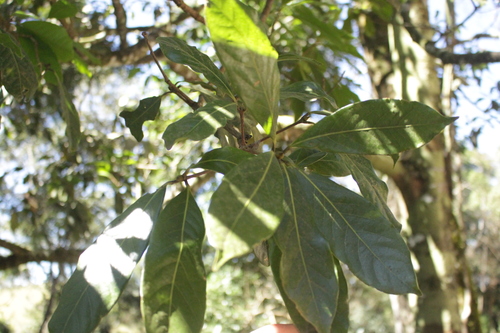
(c) cy1013, some rights reserved (CC BY-NC), uploaded by cy1013
iNaturalist· cc-by-nc
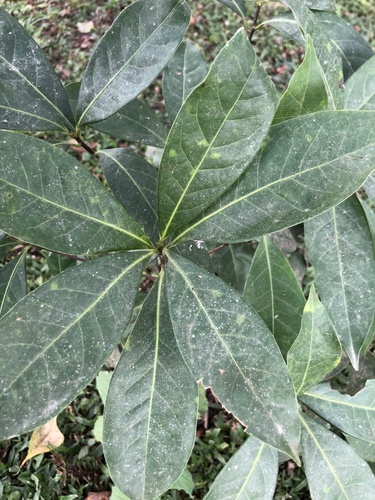
(c) cy1013, some rights reserved (CC BY-NC)
Description
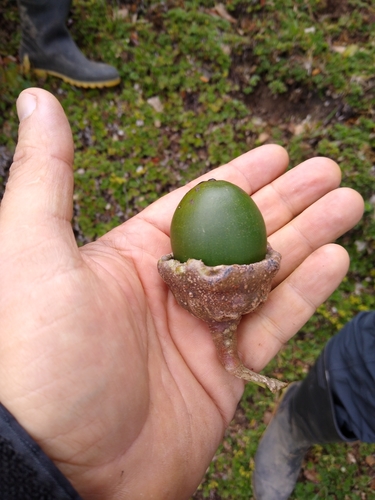
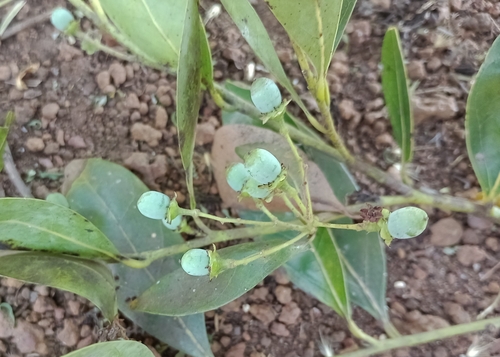
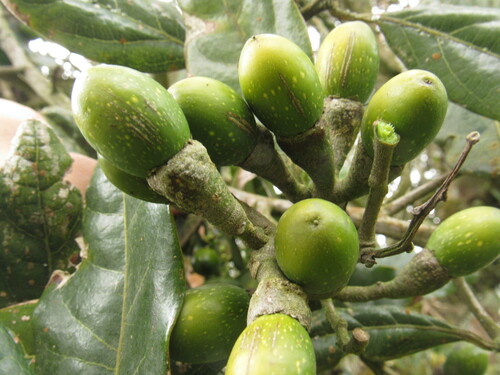
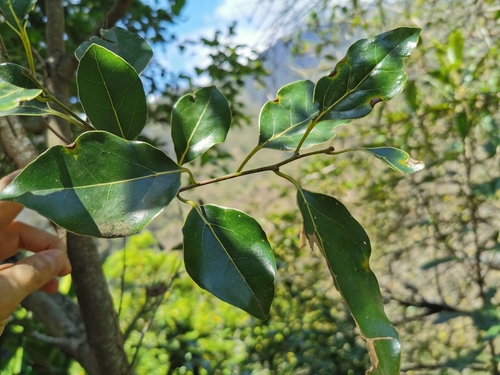
An evergreen shrub or tree. It grows 2-10 m tall. The trunk is 10-15 cm across. The bark is grey and has splits along it. The leaves are alternate. Flowers are separately male and female and are in umbels in the axils of leaves. They are yellow. The fruit is a flattened round shape and red at maturity. They are 1 cm long.
Edible Uses
The fruits are used as a spice.
Traditional Uses
The fruit are used as a spice.
This uses section is brief — help expand it
Distribution
It is a subtropical plant. It grows in evergreen broad-leaved forests and in valleys and on mountain slopes. It grows between 700-2,500 m above sea level. It grows in Sichuan and Yunnan in China.
Where It Grows
Asia, Bhutan, China, Himalayas, India, Myanmar, Nepal, SE Asia, Tibet, Vietnam,
Synonyms
Also Known As
Liendan doi, Rihujiao
References (4)
- Bajracharya, D., 1980, Nutritive Values of Nepalese Edible Wild Fruits. Z. Lebensm. Unters. Forsch. 171: 363-366 (As Lindera bifaria)
- Dangol, D. R. et al, 2017, Wild Edible Plants in Nepal. Proceedings of 2nd National Workshop on CUAOGR, 2017.
- Gautam, R. S., et al, 2020, Wild Edible Fruits of Nepal. Int. J. Appl. Sci. Biotechnol. Vol 8(3): 289-304
- Ju, Y., et al, 2013, Eating from the wild: diversity of wild edible plants used by Tibetans in Shangri-la region, Yunnan, China, Journal of Ethnobiology and Ethno medicine 9:28