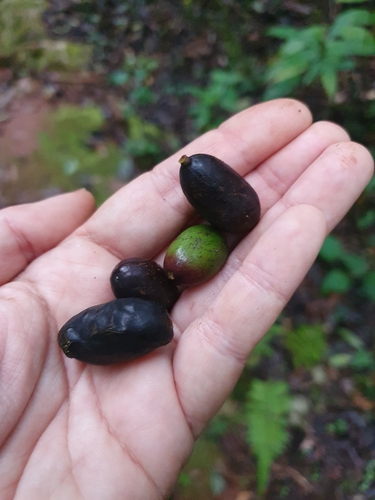
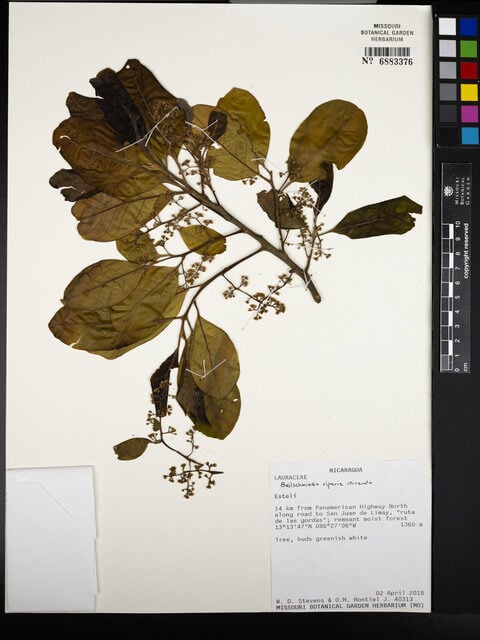
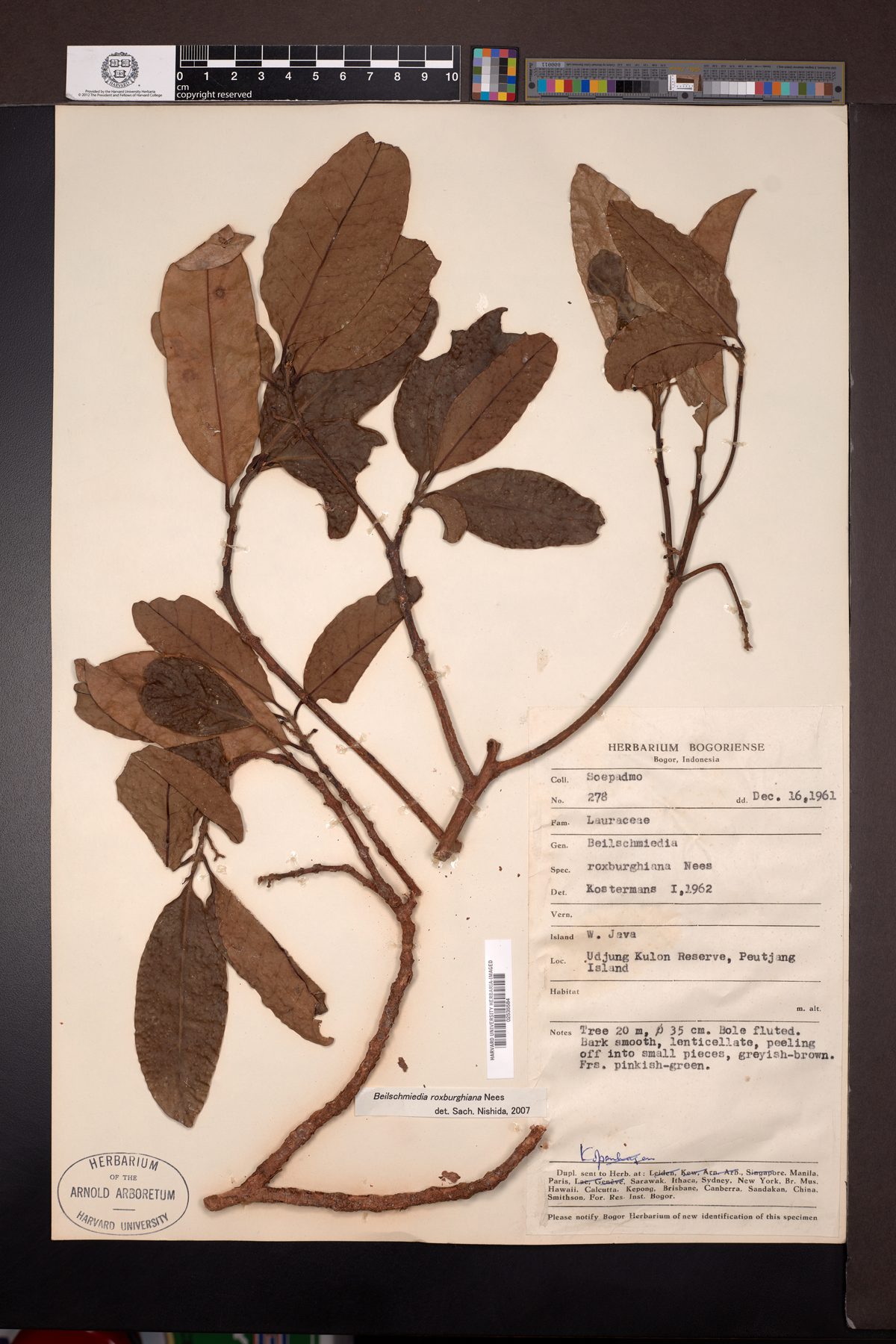
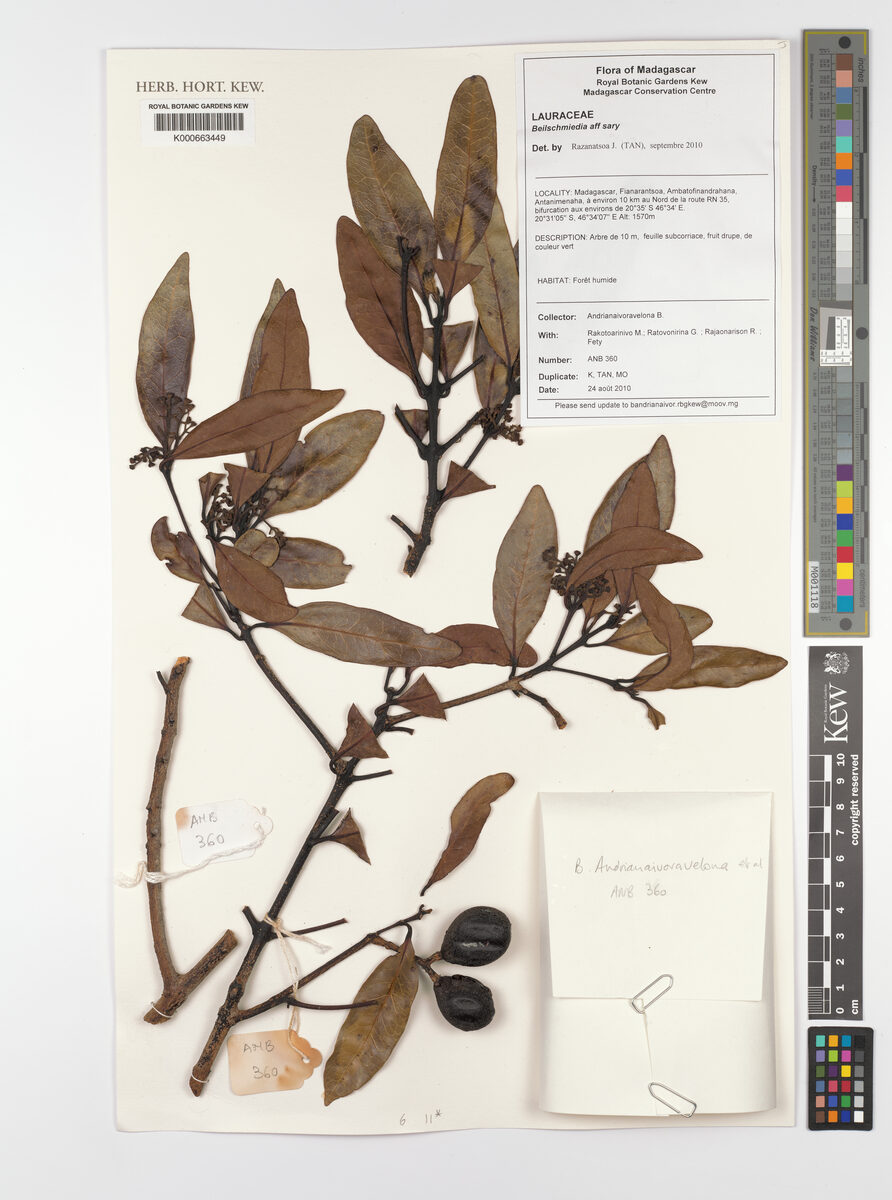
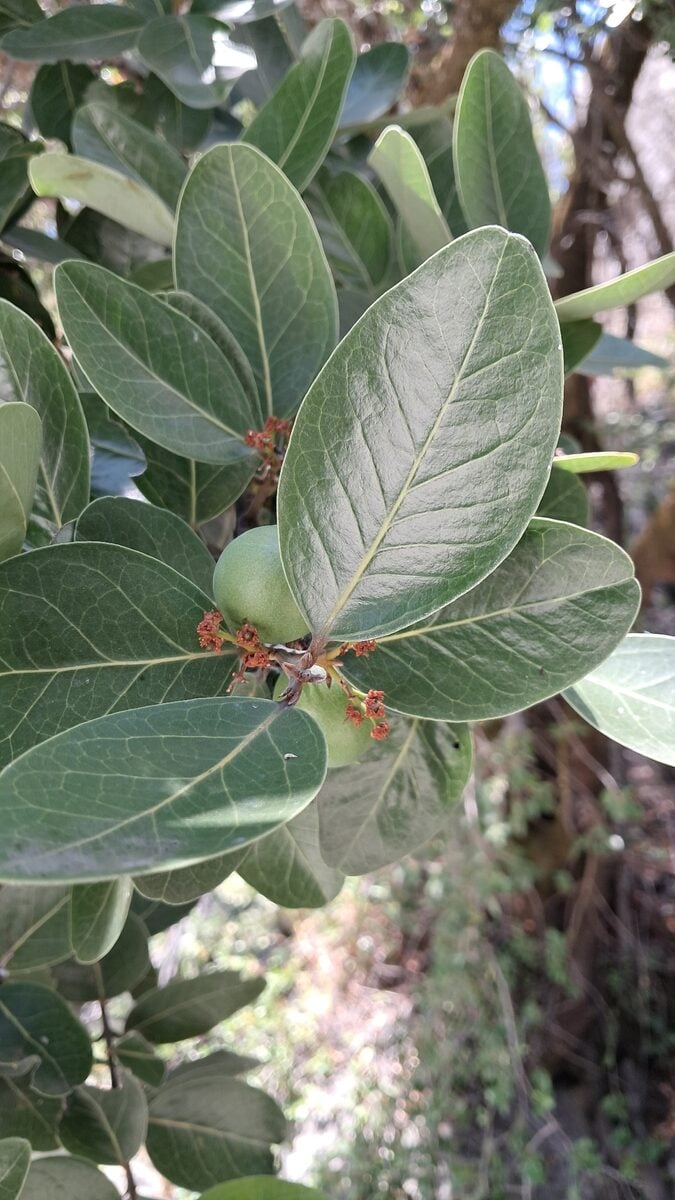
Litsea elliptica
Blume
Elliptic-leaved medang tree
iNaturalist· cc-by-nc-sa
(c) Smithsonian Institution, National Museum of Natural History, Department of Botany, some rights reserved (CC BY-NC-SA)
iNaturalist· cc-by-nc
(c) SunGW, some rights reserved (CC BY-NC)
iNaturalist· cc-by-nc
(c) Muhd Nasry, some rights reserved (CC BY-NC)
Description
A medium sized tree. It grows 10-30 m tall. The bark is smooth. The leaves are in spirals. The leaf blade is narrowly oval and 6-16 cm long by 3-7 cm wide.
Edible Uses
The young leaves are eaten as a vegetable side dish and used as flavouring in curries.
Traditional Uses
The young leaves are eaten as a vegetable side dish and as flavouring in curries.
This uses section is brief — help expand it
Medicinal Uses
This species is highly valued as a local medicinal plant. No more details. Extracts of the leaves are used in the traditional native herbal medicine to treat conditions such as stomach ulcers, fever and headache. A significant antimutagenic activity has also been reported. In Thailand, it has been reported to reduce the incidence of gastric cancer.
Distribution
It is a tropical plant. It grows in tropical rain forest between 50-600 m above sea level.
Where It Grows
Asia, India, Indochina, Indonesia, Malaysia, New Guinea, Philippines, SE Asia, Singapore, Thailand,
Cultivation
The bark, wood, leaves and fruits are aromatic and reminiscent of the smell of a species of giant water bug (Lethocerus indicus), which is also used as a flavouring material in the 'Nam Prik, mentioned in 'Edible Uses'. Plants can flower all year round. A dioecious species, both male and female forms need to be grown if fruit and seed are required.
Other Uses
An essential oil obtained from leaves has displayed the potential to be used as insecticide. The wood is locally used for house construction, and is used for making mortars and pestles. There are a number of tree species (including this one) from Peninsular Malaysia that are in the family Lauraceae and produce a useful timber that is either not distinct enough in itself, or is in insufficient supply, to warrant being traded individually. These various species have been lumped together under the trade name ‘medang’. We do not have a specific description of the wood from this species, but a general description of medang timber is as follows:- The heartwood is very variable, from light-straw to red-brown and olive brown; the sapwood is ill-defined. The texture is moderately fine but even; the grain interlocked or wavy; the surface dull. The wood is not durable. It is easy to slightly difficult to resaw, and easy to moderately easy to cross-cut; easy to plane and the surface produced is smooth to moderately smooth. It is suitable for decorative work such as interior finishing, panelling, furniture and cabinet making. It is also suitable for plywood manufacture, whilst the heavier species are suitable for medium construction under cover
Other Information
It is also a cultivated plant.
Notes
It is an unresolved name in The Plant List. It has established anti-cancer properties.
Synonyms
Also Known As
Pohon medang gogisoro, Pohon medang trawas, Thammang, Thammung
References (5)
- Jiwajinda, S., et al, 2002, Suppressive Effects of Edible Thai Plants on Superoxide and Nitric Oxide Generation. Asian Pacific Journal of Cancer Prevention, Vol 3, 2002
- Nakahara, K. et al, 2002, Antimutagenicity of Some Edible Thai Plants, and a Biocative Carbazole Alkaloid, Mahanine, Isolated from Micromelum minutum. Journal of Agricultural and Food Chemistry. 50: 4796-4892 (As Litsea petiolata)
- Ngerbsaungasruay, C., et al, 2011, A revision of the genus Litsea Lam. (Lauraceae) in Thailand. Thai Forestry Bulletin. 39: 40-119
- Sukarya, D. G., (Ed.) 2013, 3,500 Plant Species of the Botanic Gardens of Indonesia. LIPI p 362
- World Checklist of Useful Plant Species 2020. Royal Botanic Gardens, Kew