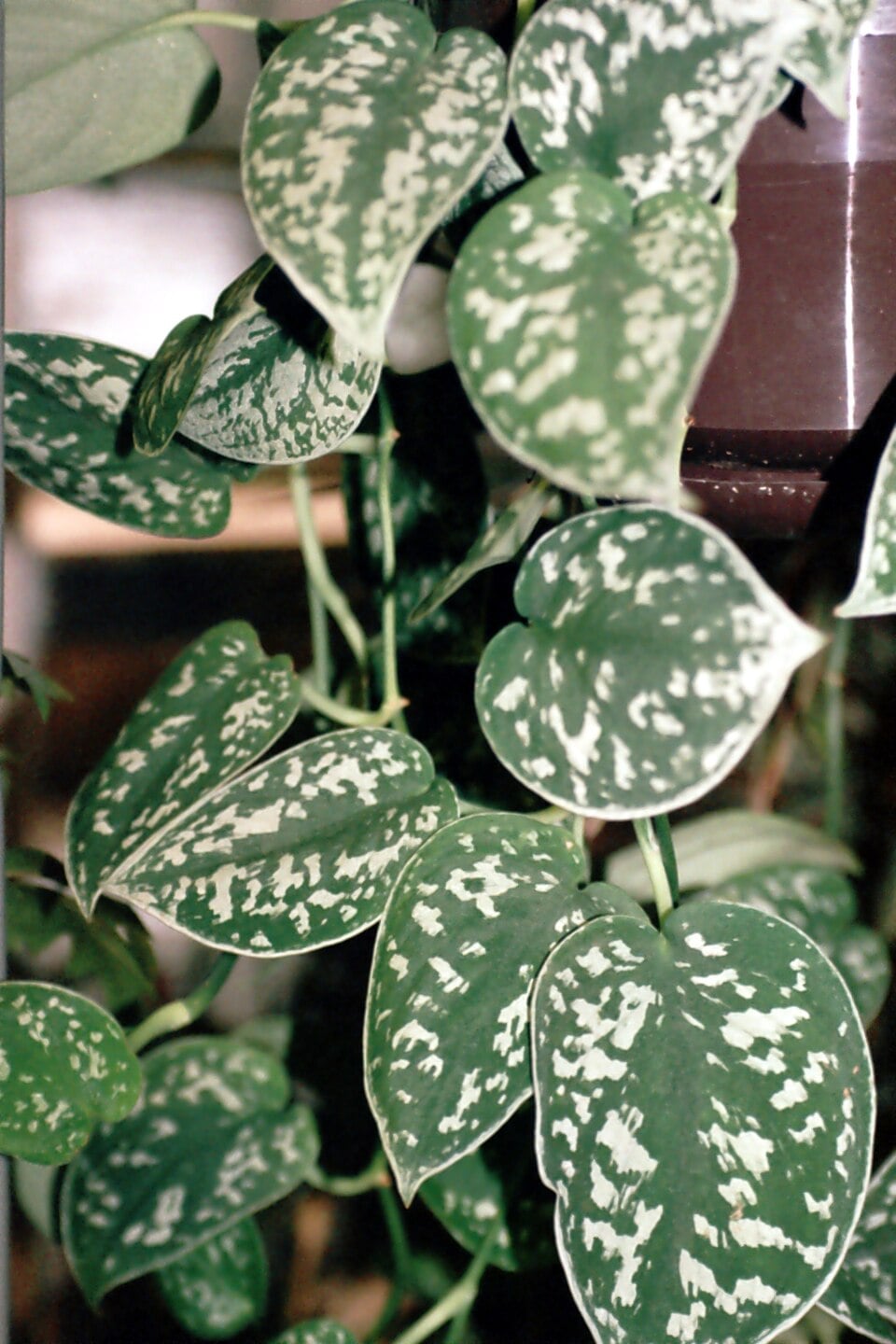
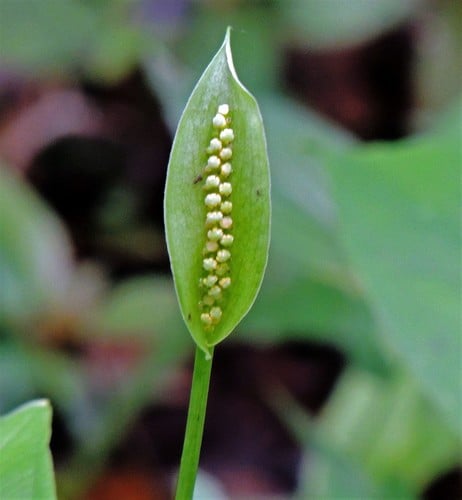
Arisaema erubescens
(Wall.) Schott
Blushing cobra lily
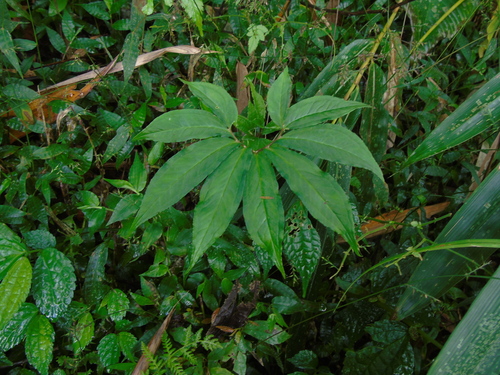
iNaturalist· cc-by
(c) desertnaturalist, some rights reserved (CC BY), uploaded by desertnaturalist
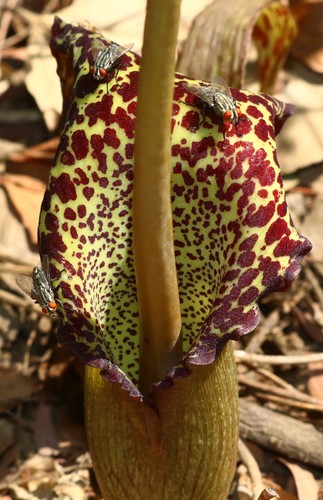
iNaturalist· cc-by-nc
(c) Jasmine Star Outdoor Photography, some rights reserved (CC BY-NC), uploaded by Jasmine Star Outdoor Photography
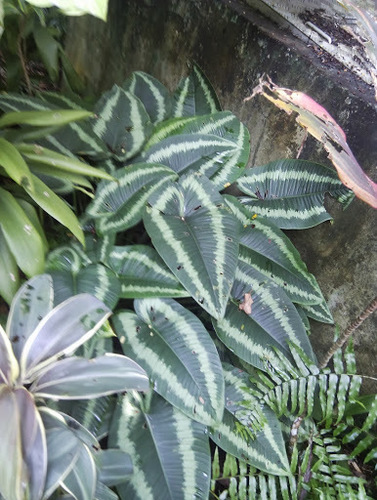
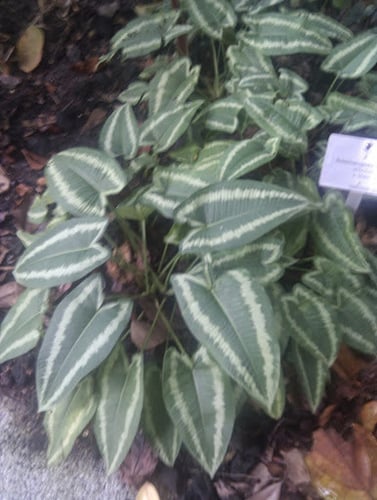
iNaturalist· cc-by-nc
(c) Elizabeth Byers, some rights reserved (CC BY-NC), uploaded by Elizabeth Byers
Summary
Source: WikipediaArisaema erubescens is a flowering plant species in the genus Arisaema, endemic to Nepal.
Description
A herb. It is a taro family plant. The tuber is round and flattened and 2-7 cm across. There is one leaf. The leaf stalk is 100 cm long by 2 cm wide. There are 18-23 leaflets spread out in a ring. They are narrowly oval and 16-28 cm long by 2-20 mm wide. The flower stalk is 75 cm long. The fruit are red berries.
Edible Uses
Young leaves are cooked in stir-fried dishes or boiled and dried as a vegetable; the corm is repeatedly boiled before eating.
Traditional Uses
The young leaves are cooked and eaten in stir fried dishes. They are boiled and dried then cooked as a vegetable. The corm is repeatedly boiled then eaten.
Known Hazards
The corm and root require caution in preparation.
Distribution
It is a tropical plant. It grows in pine and mixed forests and on grassy slopes and lake sides below 3,200 m above sea level. It grows in Yunnan in China.
Where It Grows
Asia, Bhutan, China, Himalayas, India, Indochina, Laos, Myanmar, Nepal, Northeastern India, SE Asia, Thailand, Tibet, Vietnam,
Production
In Yunnan the leaves are harvested in June and July.
Also Known As
Chari banko, Gurbe, Jhyapuli, Reduo, Rihaxiluo, Tuo
References (9)
- Dangol, D. R. et al, 2017, Wild Edible Plants in Nepal. Proceedings of 2nd National Workshop on CUAOGR, 2017.
- Gautam, R. S., et al, 2022, Ethnobotanical Review of Wild Edible Plants of Nepal. Journal of Natural History Museum Volume 32, 2021-22 p 103
- Geng, Y., et al, 2016, Traditional knowledge and its transmission of wild edibles used by the Naxi in Baidi Village, northwest Yunnan province. Journal of Ethnobiology and Ethnomedicine. 12:10
- Ghimeray, A. K., Lamsal, K., et al, 2010, Wild edible angiospermic plants of the Illam Hills (Eastern Nepal) and their mode of use by local community. Korean J. Pl. Taxon. 40(1)
- Guo, C., et al, 2022, An Ethnobotany Survey of Wild Plants Used by the Tibetan People of the Yadong River Valley, Tibet, China. Journal of Ethnobiology and Ethnomedicine
Show all 9 references Hide references
- Ju, Y., et al, 2013, Eating from the wild: diversity of wild edible plants used by Tibetans in Shangri-la region, Yunnan, China, Journal of Ethnobiology and Ethno medicine 9:28
- Liu, Yi-tao, & Long, Chun-Lin, 2002, Studies on Edible Flowers Consumed by Ethnic Groups in Yunnan. Acta Botanica Yunnanica. 24(1):41-56
- Shin, T., et al, 2018, Traditional knowledge of wild edible plants with special emphasis on medicinal uses in Southern Shan State, Myanmar. Journal of Ethnobiology and Ethnomedicine (2018) 14:48
- Thapa, L. B., et al, 2014, Wild Edible Plants used by endangered and Indigenous Raji Tribe in Western Nepal. International Journal of Applied Sciences and Biotechnology. Vol 2(3):243-252