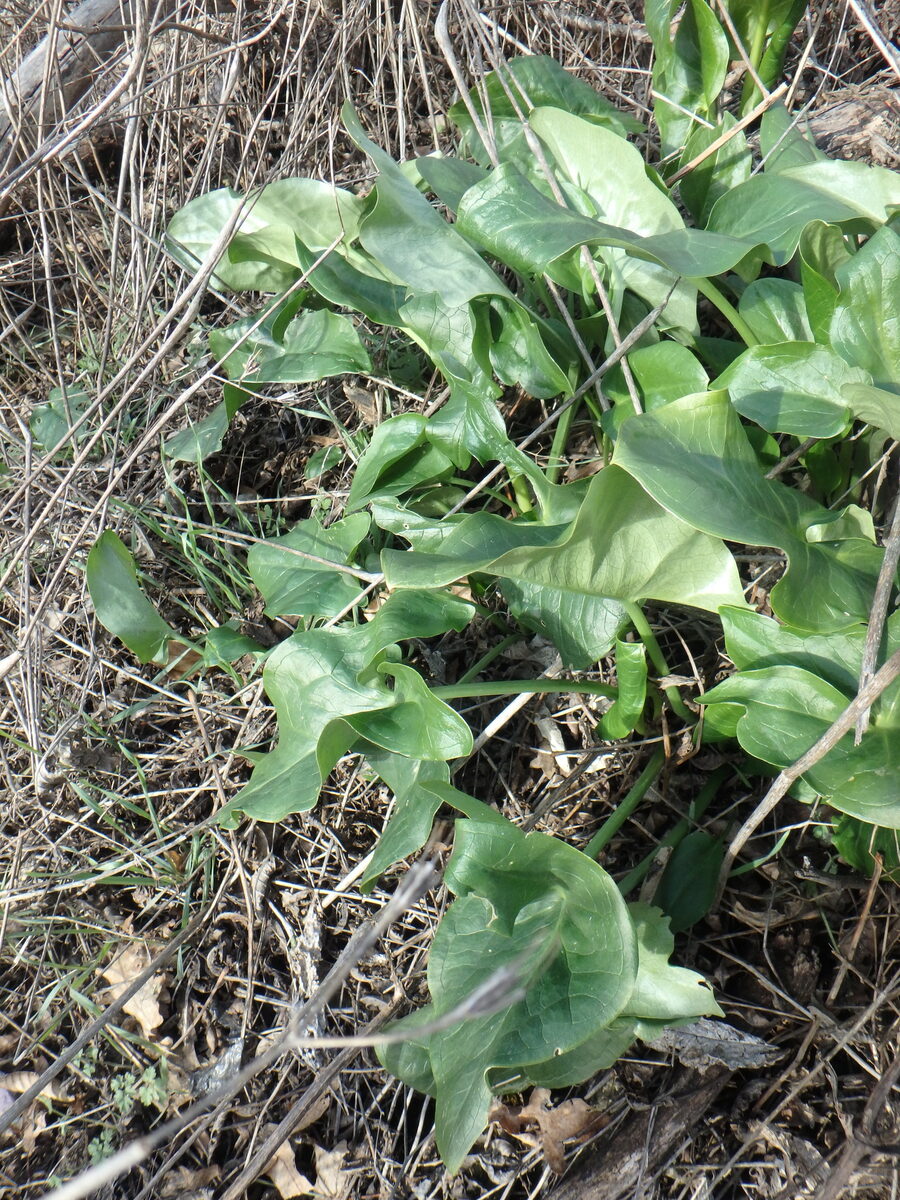
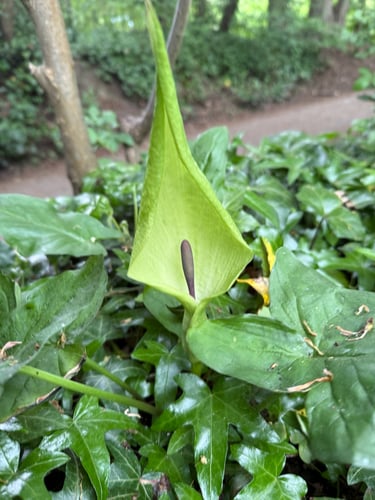
Anthurium breviscapum
Kunth
Katshiniak eep
iNaturalist· cc-by-nc
(c) Nate Hartley, some rights reserved (CC BY-NC), uploaded by Nate Hartley
iNaturalist· cc-by-nc
(c) manosalvaslesly_02, some rights reserved (CC BY-NC)
Description
A climbing taro family plant found in tropical regions, with edible young leaves and tubers.
This description is brief — help expand it
Edible Uses
The young leaves are used in stews, soups, and tamales. The young tubers are cooked and eaten.
Traditional Uses
The young leaves are used in stews, soups and tamales. The young tubers are cooked and eaten.
This uses section is brief — help expand it
Distribution
It is a tropical plant.
Where It Grows
Amazon, Ecuador, South America,
Synonyms
Anthurium acrobates SodiroAnthurium huamaliesense Engl.
and others
Also Known As
Eep, Hoja de bijao, Oka tobe, Pugse, Shikin lalu, Ukucha tawano, Yawakata
References (5)
- Kermath, B. M., et al, 2014, Food Plants in the Americas: A survey of the domesticated, cultivated and wild plants used for Human food in North, Central and South America and the Caribbean. On line draft. p 75
- Pohle, P.& Reinhardt, S., 2004, Indigenous knowledge of plants and their utilization among the Shuar of the lower tropical mountain forest in southern Ecuador. Lyonia 7(2)
- Reis, S. V. and Lipp, F. L., 1982, New Plant Sources for Drugs and Foods from the New York Botanical Garden herbarium. Harvard. p 20 (As Anthurium huamaliense)
- Torre, de la L., et al, 2008, Enciclopedia de las Plantas Útiles del Ecuador. Herbario QCA. Pontificia Universidad Católica del Ecuador. p 179
- Van den Eynden, V., et al, 2003, Wild Foods from South Ecuador. Economic Botany 57(4): 576-603