Ceropegia cumingiana
Decne
Ceropegia, Anareata
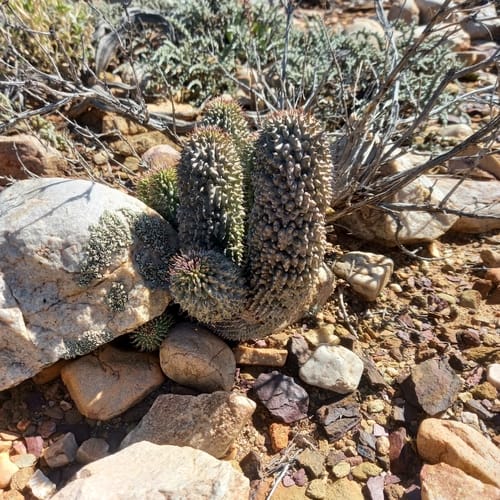
iNaturalist· cc-by-nc
(c) Jason Searle, some rights reserved (CC BY-NC)
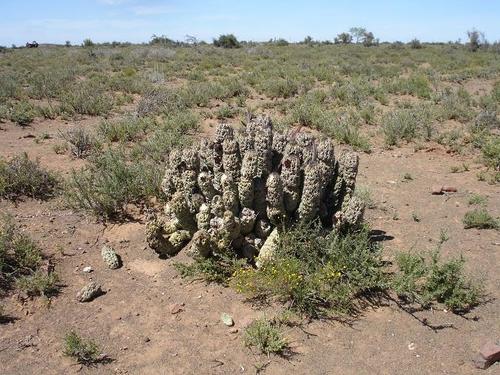
iNaturalist· cc-by-nc
(c) Jason Searle, some rights reserved (CC BY-NC)
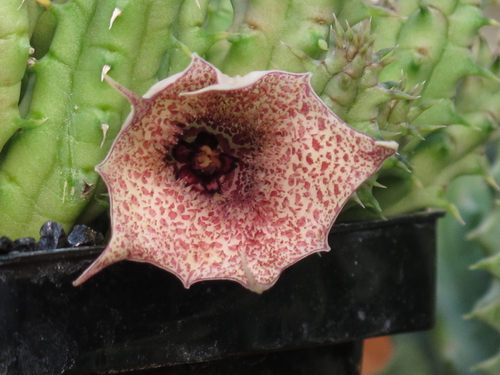
iNaturalist· cc-by-nc
(c) Jason Searle, some rights reserved (CC BY-NC)
Description
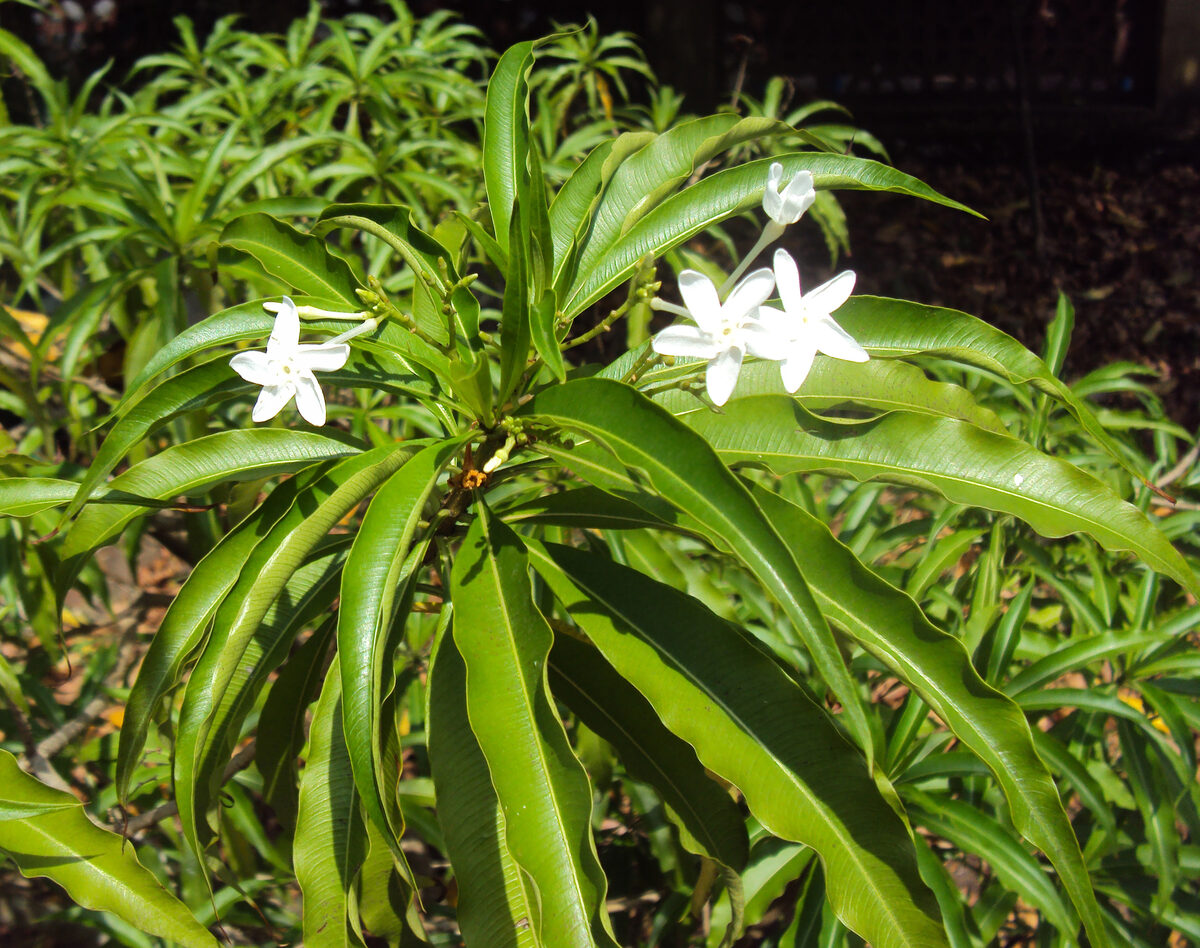
An evergreen vine. It grows to 1.5 m high, and spreads to 1 m across. The stem is slender and climbing. It loses its leaves during the year. The stems arise from a thickened tuberous rootstocks. The leaves are oval and they taper to a point. They are 6-10 cm long. The flowers are white and like tubes. They have brown expanded lobes united at the tip. The fruit are pointed linear follicles. The fruit are 10 cm long.
Edible Uses
The root is recorded as being eaten, likely used when other foods are scarce.
Traditional Uses
The root is recorded as being eaten. It is probably used when other foods are scarce.
This uses section is brief — help expand it
Distribution
It is a tropical plant. It does best in humus rich, moist, well drained soil. It suits a sheltered, warm, sunny position. It is drought and frost tender. Near Townsville in Australia it grows from sea level to 700 m altitude.
Where It Grows
Africa, Asia, Australia, East Africa, Indonesia, Pacific, Papua New Guinea, PNG, Philippines, SE Asia, Southern Africa, Zimbabwe,
Cultivation
Plants can be grown from seed or cuttings, or by dividing the tubers.
Other Information
It is not known if it is eaten in Papua New Guinea.
Notes
There are about 160-200 Ceropegia species. Probably now in Apocynaceae
Synonyms
Also Known As
Anareata
References (11)
- Bodkin, F., 1991, Encyclopedia Botanica. Cornstalk publishing, p 242
- Cherikoff V. & Isaacs, J., The Bush Food Handbook. How to gather, grow, process and cook Australian Wild Foods. Ti Tree Press, Australia p 199
- Cooper, W. and Cooper, W., 2004, Fruits of the Australian Tropical Rainforest. Nokomis Editions, Victoria, Australia. p 36
- Cribb, A.B. & J.W., 1976, Wild Food in Australia, Fontana. p 160
- Elliot, W.R., & Jones, D.L., 1984, Encyclopedia of Australian Plants suitable for cultivation. Vol 3. Lothian. p 13
Show all 11 references Hide references
- Flora of Australia, Volume 28, Gentiales, Melbourne:CSIRO Australia, 1996. p 282 Fig 124 p 281, Map 334 p 307.
- Jones, D.L. & Gray, B., 1977, Australian Climbing Plants. Reed. p 88
- Lim, T. K., 2015, Edible Medicinal and Non Medicinal Plants. Volume 9, Modified Stems, Roots, Bulbs. Springer p 23
- PROSEA handbook Volume 9 Plants yielding non-seed carbohydrates. p169
- Williams, K.A.W., 1999, Native Plants of Queensland Volume 4. Keith A.W. Williams North Ipswich, Australia. p 108
- World Checklist of Useful Plant Species 2020. Royal Botanic Gardens, Kew