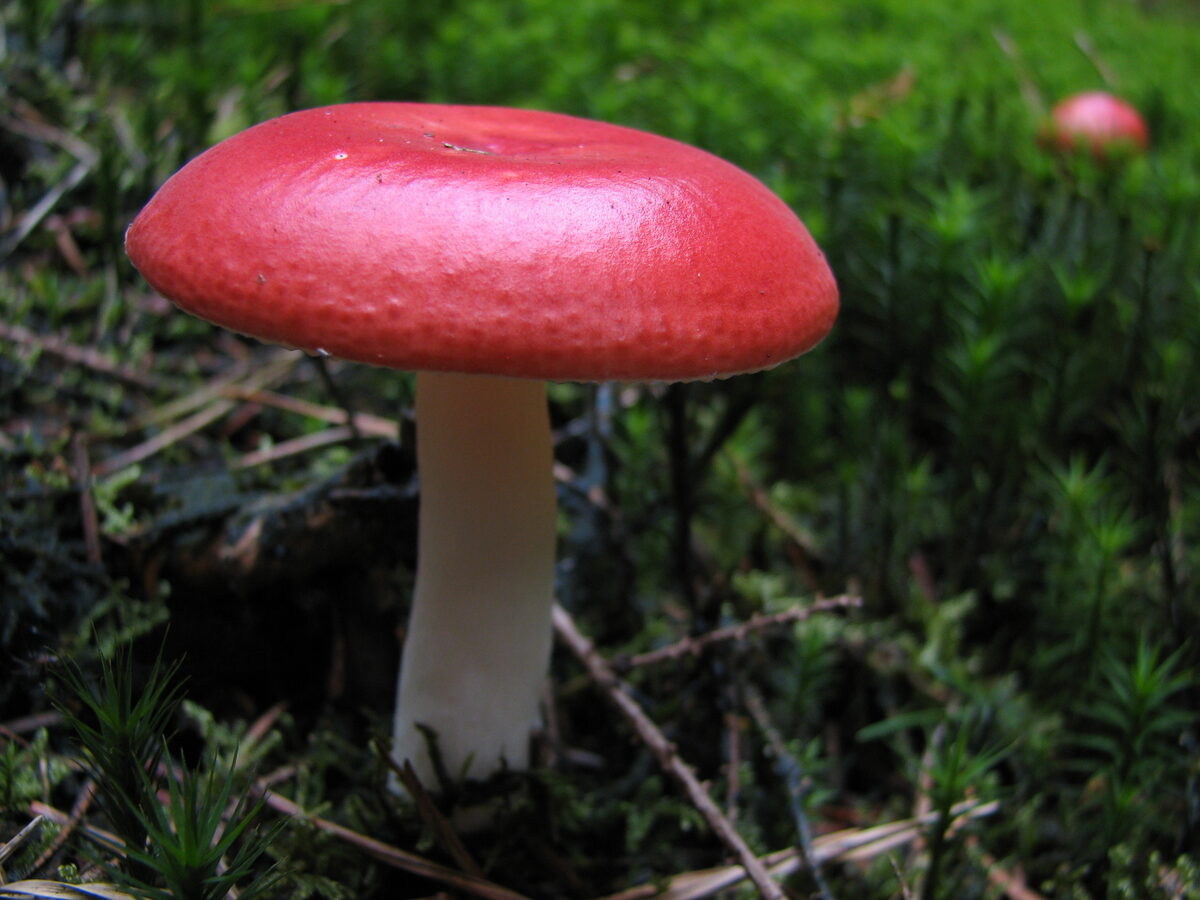
Russula rosea
Pers.
wikimedia· cc-by-sa
Wikimedia Commons - This image was created by user zaca at Mushroom Observer, a source for mycological images.You can contact this user here.
wikimedia· cc0
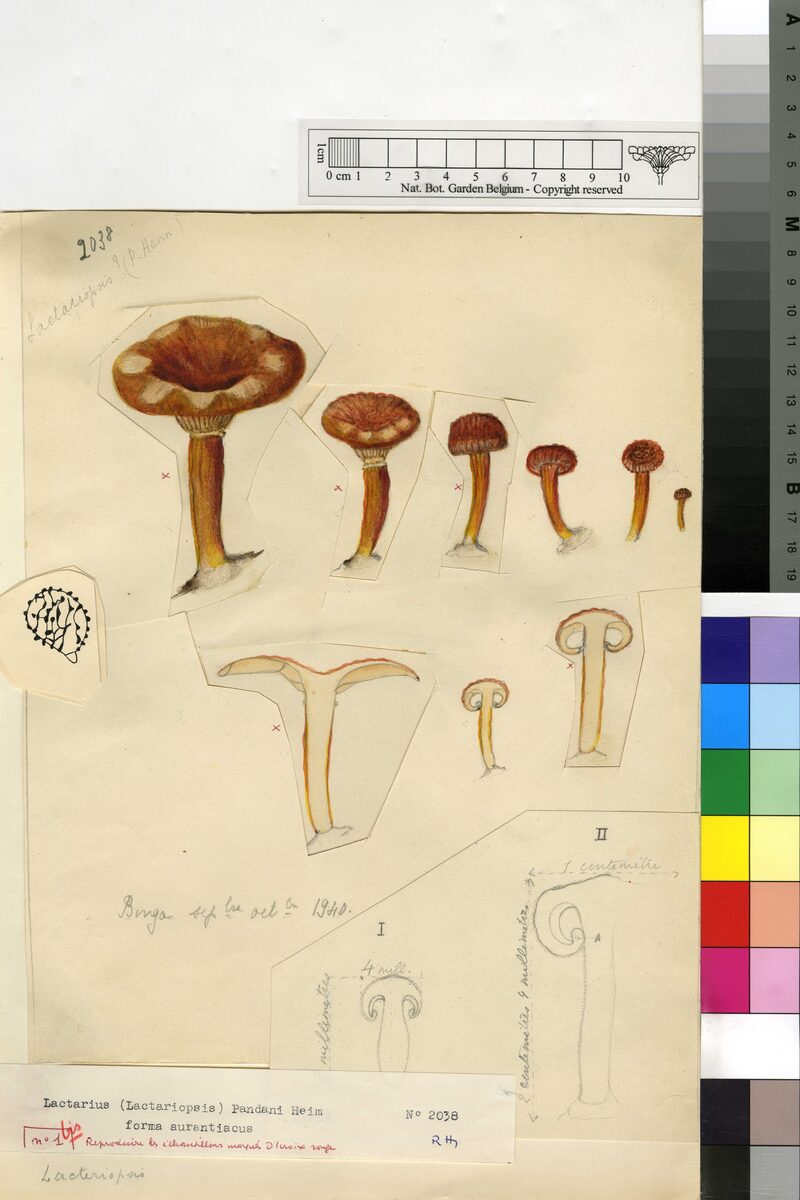
Wikimedia Commons - Mordecai Cubitt Cooke
Summary
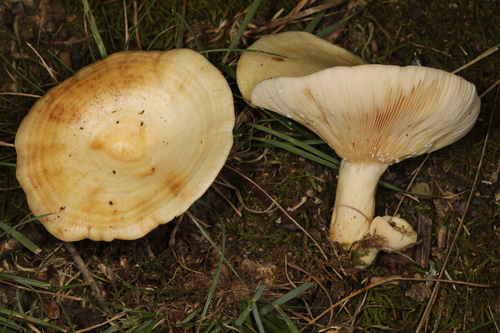
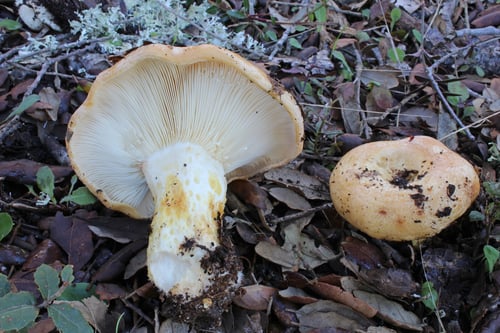
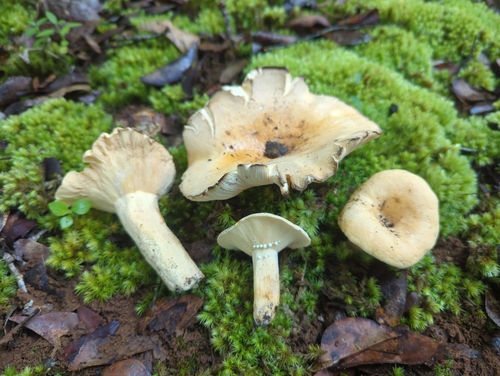
Source: WikipediaRussula rosea (synonym Russula lepida), known as the rosy russula, is a north temperate, commonly found mushroom of the large "brittlegill" genus Russula. The cap is convex when young, later flat, mostly bright cinnabar to carmine red; often with yellow spots and up to 10 cm in diameter. The gills are pale straw-yellow, brittle, and occasionally with a red edge at the rim of the cap. The spores are pale-cream. The stem is usually flushed carmine, but can be pure white. The flesh is hard and bitter-tasting; some consider it edible, others inedible. This mushroom is commonly found in coniferous forests or near beech trees.
Description
A temperate to tropical mushroom in the family Russulaceae.
This description is brief — help expand it
Edible Uses
The mushroom fungus is edible.
Distribution
It is a temperate to tropical plant.
Where It Grows
Africa, Balkans, Bulgaria, Caucasus, East Africa, Europe, Georgia, Malawi, Slovenia,
Also Known As
Ts'itlio
References (5)
- Boa, E. R., 2004, Wild edible fungi and their importance to people. FAO Non Wood Forest Products Booklet 17
- Bussman, R. W., et al, 2016, A comparative ethnobotany of Khevsureti, Samtskhe-Javakheti, Tusheti, Svaneti, and Racha-Lechkhumi, Republic of Georgia (Sakartvelo), Caucasus. Journal of Ethnobiology and Ethnomedicine.
- Bussman, R. W., et al, 2021, Unity in diversity—food plants and fungi of Sakartvelo (Republic of Georgia), Caucasus. Journal of Ethnobiology and Ethnomedicine (2021) 17:72 p 17
- Cerne, M., 1992, Wild Plants from Slovenia used as Vegetables. Acta Horticulturae 318
- Rila Monastery Nature Park Management Plan 2004 - 2013 (Bulgaria) p 380