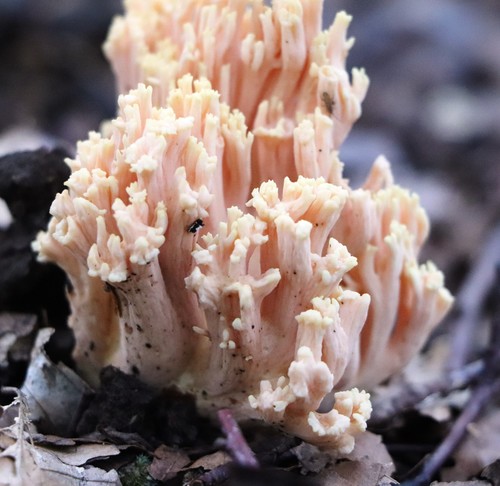
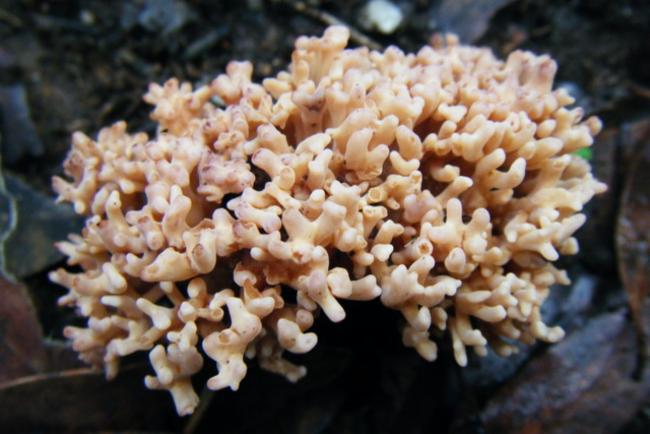
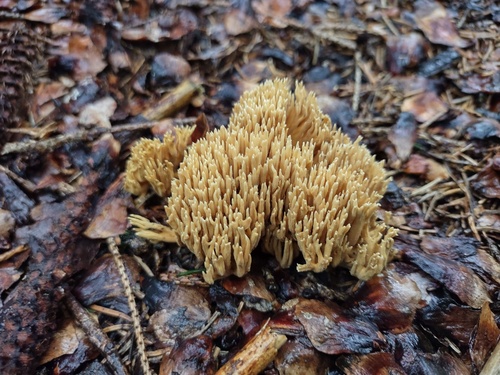
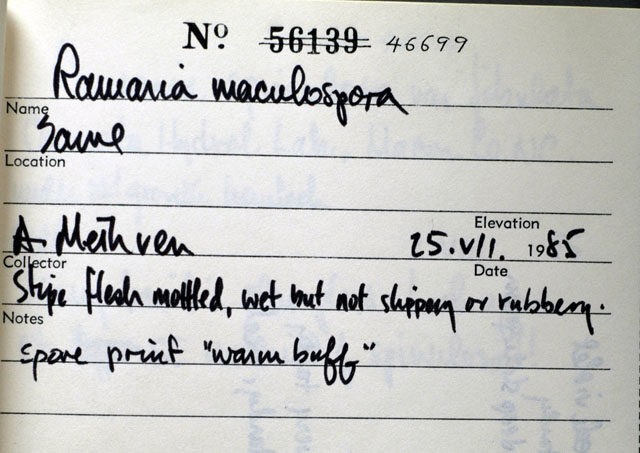
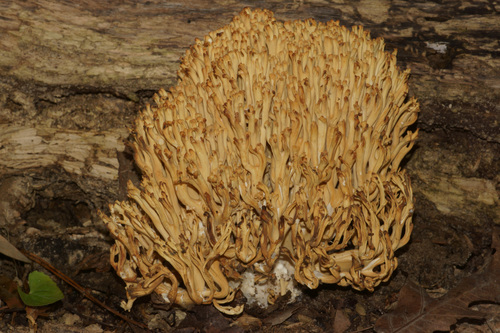
Ramaria subbotrytis
(Coker) Corner
iNaturalist· cc-by-nc
(c) huafang, some rights reserved (CC BY-NC), uploaded by huafang
iNaturalist· cc-by-nc
(c) Mike Snyder, some rights reserved (CC BY-NC)
Summary
Source: WikipediaRamaria subbotrytis is a species of coral fungus in the family Gomphaceae. It was previously classified in the family Ramariaceae, and before that in the genus Clavaria, family Clavariaceae. It was originally described as Clavaria subbotrytis by William Chambers Coker in 1923 from collections made in North Carolina. E.J.H. Corner transferred it to the genus Ramaria in 1950. Ramaria subbotrytis accumulates arsenic and besides arsenic species known to be found in macrofungi, such as arsenobetaine, contains a very unusual organoarsenic compound homoarsenocholine. It grows in association with trees, especially conifers. The species is listed as edible by some sources.
Description
A fungal fruiting body in the family Ramariaceae found in subtropical regions and sold in local markets.
This description is brief — help expand it
Edible Uses
The fruiting body is eaten as food.
Distribution
It is a subtropical plant.
Where It Grows
Asia, India, Mexico, North America,
Other Information
It is sold in local markets.
References (2)
- Boa, E. R., Wild edible fungi and their importance to people. FAO Non Wood Forest Products Booklet 17
- Perez-Moreno, J. et al, 2008, Wild Mushroom Markets in Central Mexico and a Case Study at Ozumba. Economic Botany, 62(3), 2008, pp. 425–436