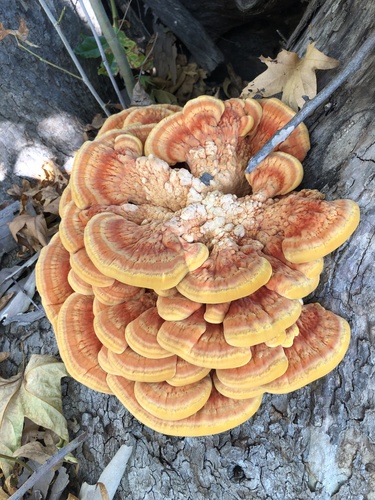
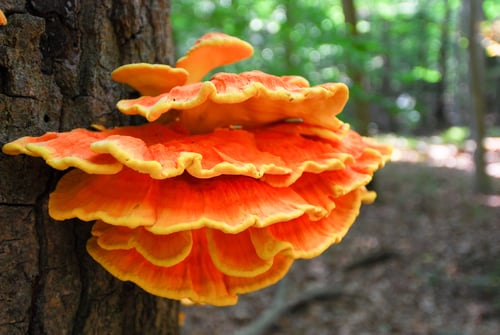
Trametes robiniophila
Murrill
iNaturalist· cc-by-nc
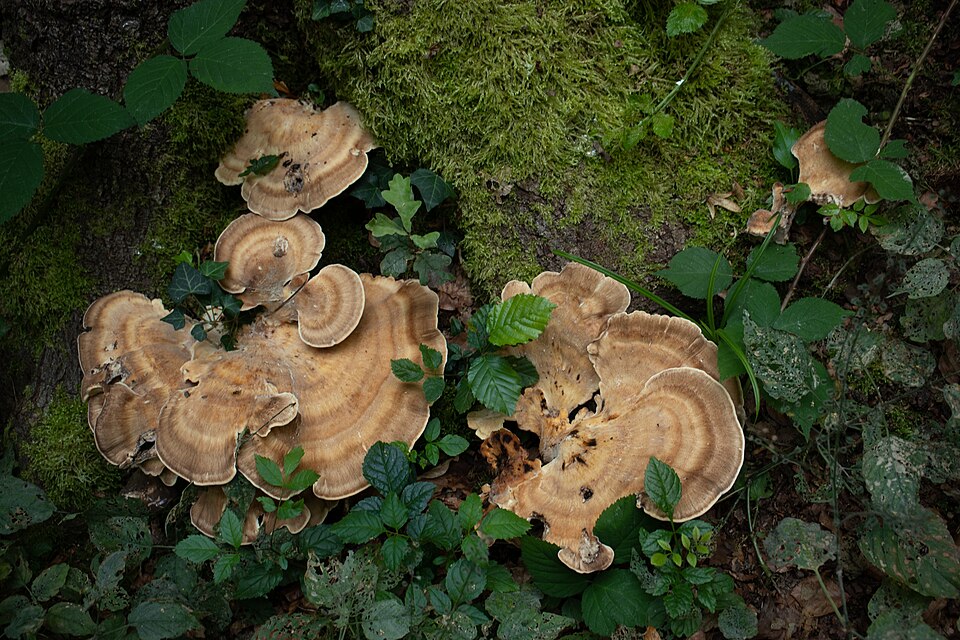
(c) slothpower, some rights reserved (CC BY-NC)
iNaturalist· cc-by-nc
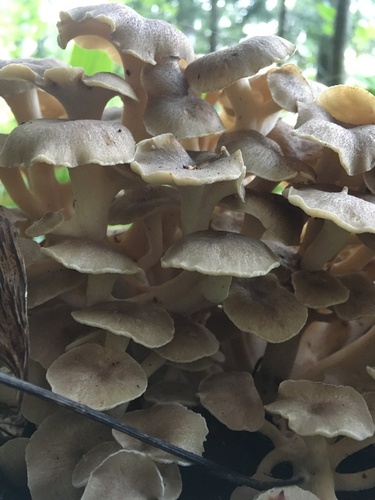
(c) slothpower, some rights reserved (CC BY-NC)
iNaturalist· cc-by-nc
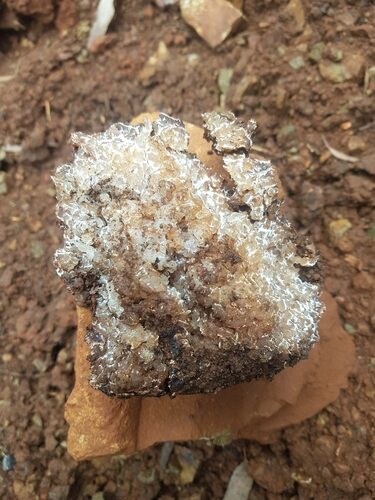
(c) slothpower, some rights reserved (CC BY-NC)
Description
A polypore fungus in the family Polyporaceae found in temperate regions.
This description is brief — help expand it
Edible Uses
The mushroom fruiting body is edible.
Medicinal Uses
Trametes robiniophila, widely known in traditional Chinese medicine (TCM) as huaier (槐耳), has a history of medicinal application spanning over 1,600 years. It is primarily valued for its anti-tumor and immunomodulatory activities. The immunomodulatory and anti-inflammatory properties of huaier extend its potential therapeutic applications beyond cancer. Nephropathy: huaier has demonstrated efficacy in treating certain kidney diseases, such as mesangial proliferative glomerulonephritis. It has been shown to reduce urinary protein excretion and inhibit the proliferation of mesangial cells, which are involved in the pathogenesis of this condition. Inflammatory Conditions: It has been traditionally used for colitis, an inflammatory condition of the colon. Tuberous sclerosis: There are reports of its use in managing tuberous sclerosis. Broad immunoregulation: Due to its wide-ranging effects on the immune system, huaier is considered beneficial for a spectrum of immune-related disorders. This includes potential applications in allergic diseases and autoimmune conditions. Its ability to modulate immune responses suggests a fundamental capacity to help restore immune homeostasis or dampen excessive inflammation, which likely contributes to its efficacy across these varied conditions and its role in cancer therapy.
Distribution
It is a temperate plant.
Where It Grows
Asia, China, North America, USA,
Notes
It probably has medicinal value.
Synonyms
References (1)
- Boa, E. R., 2004, Wild edible fungi and their importance to people. FAO Non Wood Forest Products Booklet 17