Poria cocos
(Schweinitz) Wolf
Tickahoe, Indian bread, Fu ling, Hoelen, China root
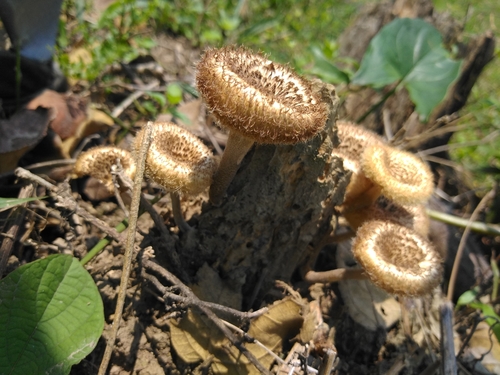
iNaturalist· cc-by-nc
(c) Summit Metro Parks, some rights reserved (CC BY-NC)
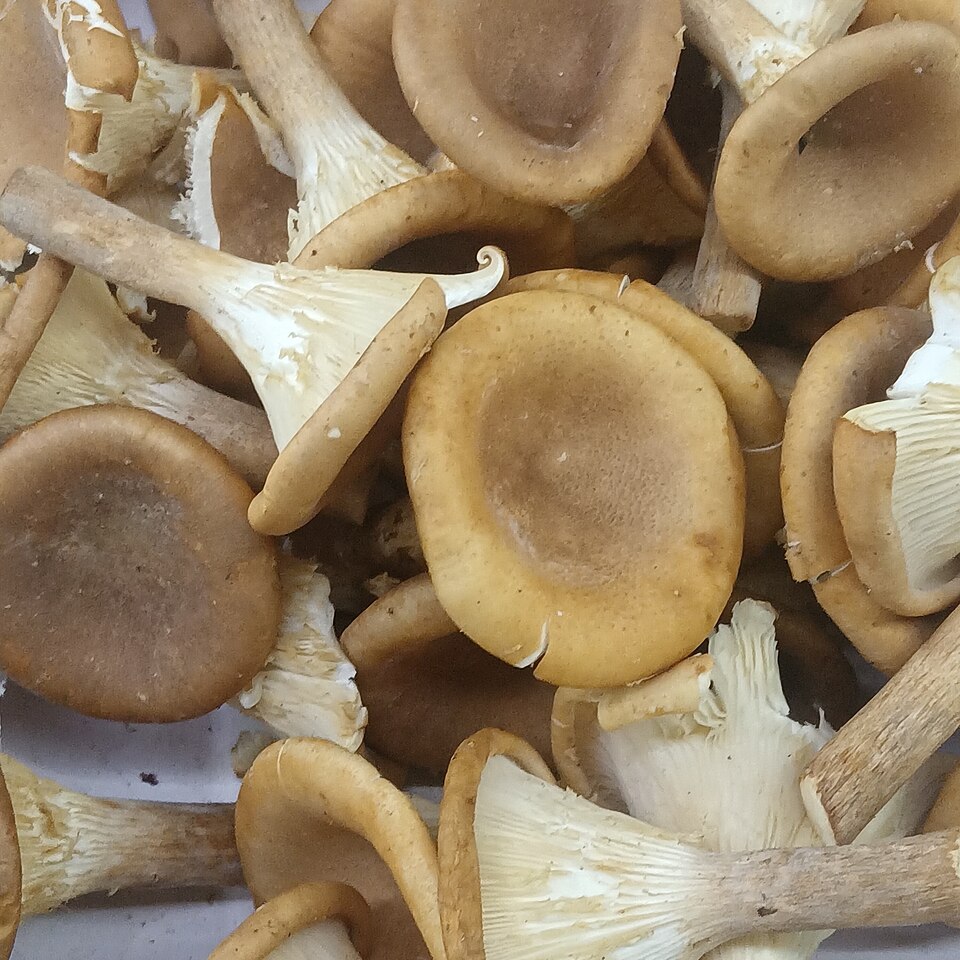
iNaturalist· cc-by-nc
(c) Summit Metro Parks, some rights reserved (CC BY-NC)
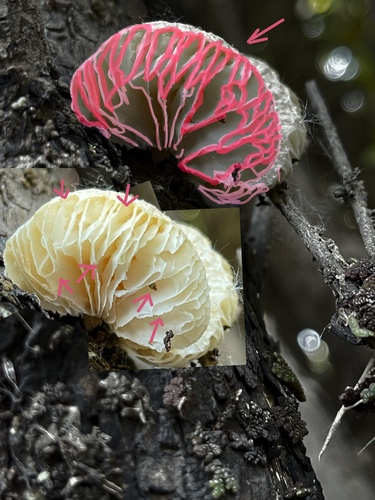
iNaturalist· cc-by-nc
(c) Summit Metro Parks, some rights reserved (CC BY-NC)
Description
A "mushroom". It grows on the roots of pine trees. The mushroom sclerotia can be buried 10-30 cm in the ground.
This description is brief — help expand it
Edible Uses
The fruiting bodies are eaten in soups, wines, breads, cakes, and porridges, and can be made into desserts with rock sugar and water chestnut. They are traditionally cooked with lily bulbs, Job's tears, Euryle seed, and Chinese dates.
Traditional Uses
The fruiting bodies are eaten. It can be used in soups, wines, breads, cakes and porridges. They are also made into a dessert using rock sugar and water chestnut. It is cooked with lily bulbs, Job's tears, Euryle seed and Chinese date.
Medicinal Uses
Has anticancer properties.
Distribution
It is a temperate plant.
Where It Grows
Asia, China, North America, USA,
Other Information
It grows naturally and is also cultivated.
Notes
It has some anticancer properties.
Synonyms
References (5)
- Facciola, S., 1998, Cornucopia 2: a Source Book of Edible Plants. Kampong Publications, p 253
- Hu, Shiu-ying, 2005, Food Plants of China. The Chinese University Press. p 268
- Tanaka,
- Uphof,
- Yasukawa, K., Medicinal and Edible Plants as Cancer Preventive Agents. Drug Discovery Research in Pharmacognosy. p185 www.intechopen.com