Rubus pluribracteatus
L. T. Lu & Boufford
wikimedia· cc-by-sa
Wikimedia Commons - Franz Xaver
wikimedia· cc-by-sa
Wikimedia Commons - Franz Xaver
Description
A shrub. It grows 3 m tall. There are a few curved spines. The leaves are simple and 7-16 cm across. Flowers can be at the ends of branches or in the axils of leaves. The petals are white. The fruit is aggregate and red. They are 2 cm across.
Edible Uses
The leaves are cooked and eaten as a vegetable, while ripe fruits are eaten raw.
Traditional Uses
The leaves are cooked and eaten as a vegetable. The ripe fruit are eaten raw.
This uses section is brief — help expand it
Distribution
It is a tropical plant. It grows near the edges of forests and in river valleys between 300-2,700 m above sea level in southern China. It grows in Yunnan in China.
Where It Grows
Asia, Cambodia, China, Indochina, Laos, SE Asia, Thailand, Vietnam,
Production
In China plants flower in March to June and fruit August to September.
Dangerous Lookalikes
This plant can be confused with the following toxic species. Always verify identification carefully before consuming any wild plant.
Red Baneberry
Actaea rubra
Walter Siegmund (talk)
Rubus pluribracteatus
Rubus pluribracteatus
Wikimedia Commons - Franz Xaver
Red Baneberry: Short herbaceous plant (no thorns), berries on thick red stems, each berry has a single seed, compound sharply-toothed leaves.
Rubus pluribracteatus: Thorny woody canes (brambles), aggregate berry made of many drupelets, berries pull easily from receptacle.
Synonyms
References (5)
- Flora of China @ efloras.org Volume 9
- Ghorbani, A., et al, 2012, A comparison of the wild food plant use knowledge of ethnic minorities in Naban River Watershed Nature Reserve, Yunnan, SW China. Journal of Ethnobiology and Ethnomedicine; 8:17
- Liu, Yi-tao, & Long, Chun-Lin, 2002, Studies on Edible Flowers Consumed by Ethnic Groups in Yunnan. Acta Botanica Yunnanica. 24(1):41-56 (As Rubus multibracteatus)
- Luo, B., et al, 2019, Wild edible plants collected by Hani from terraced rice paddy agroecosystem in Honghe Prefecture, Yunnan, China. Journal of Ethnobiology and Ethnomedicine 15:56 (As Rubus multibracteatus)
- Xu, You-Kai, et al, 2004, Wild Vegetable Resources and Market Survey in Xishuangbanna, Southwest China. Economic Botany. 58(4): 647-667.
More from Rosaceae
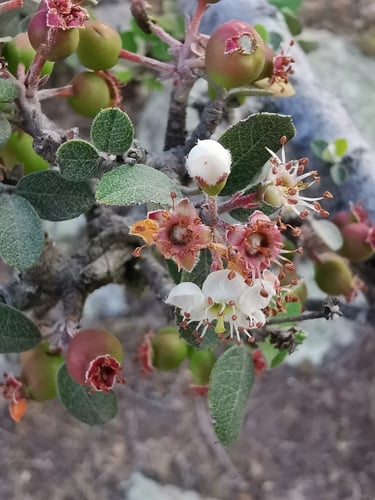
Malacomeles denticulata
Membrillo, Mexican serviceberry
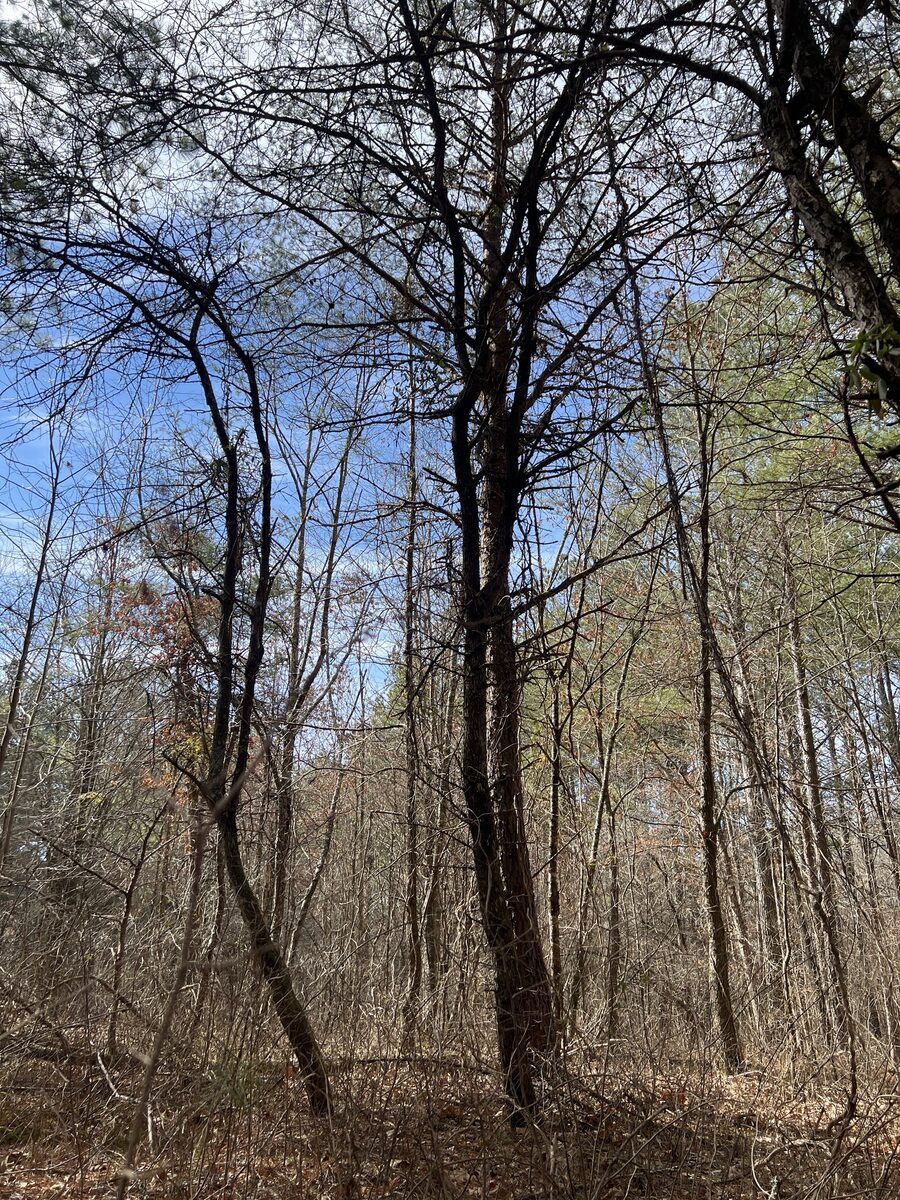
Malus angustifolia - (Aiton.)Michx.
Southern Crab, Southern crab apple
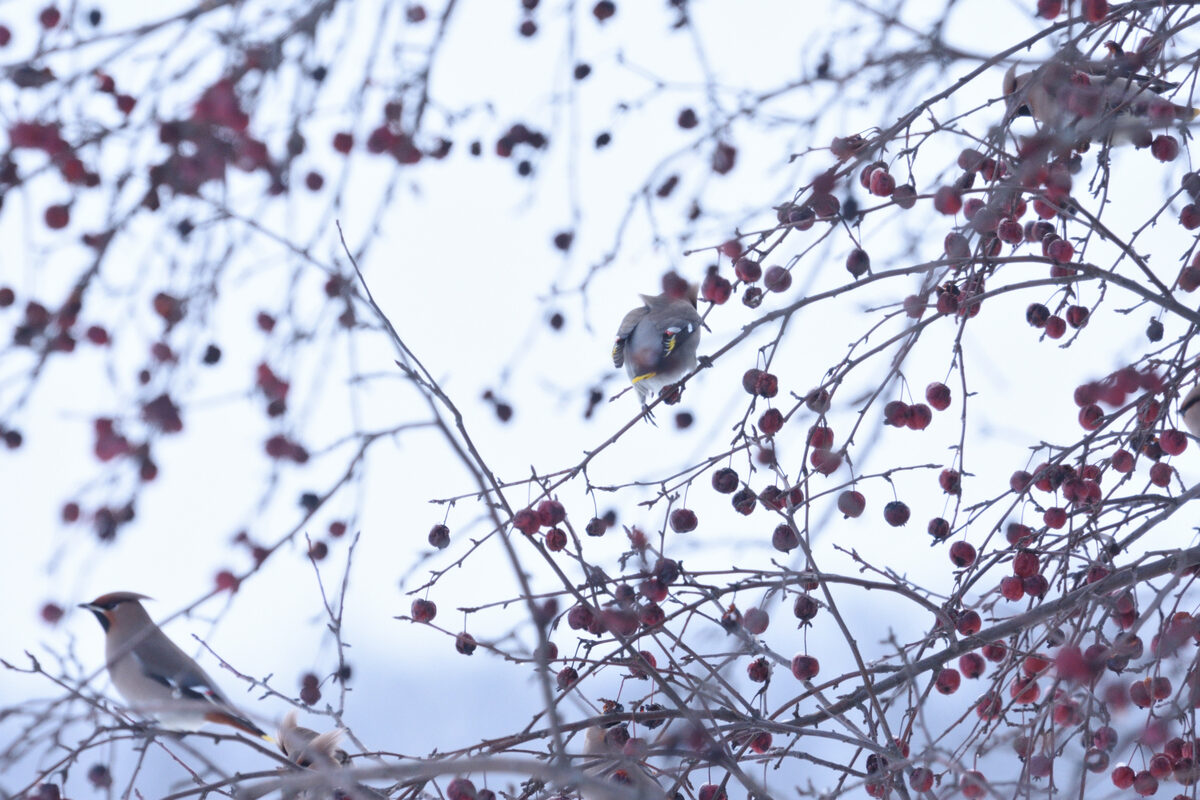
Malus baccata - (L.)Borkh.
Chinese Crab, Siberian crab apple
Malus baccata mandschurica - (Maxim.)Schneid.
Manchurian Apple
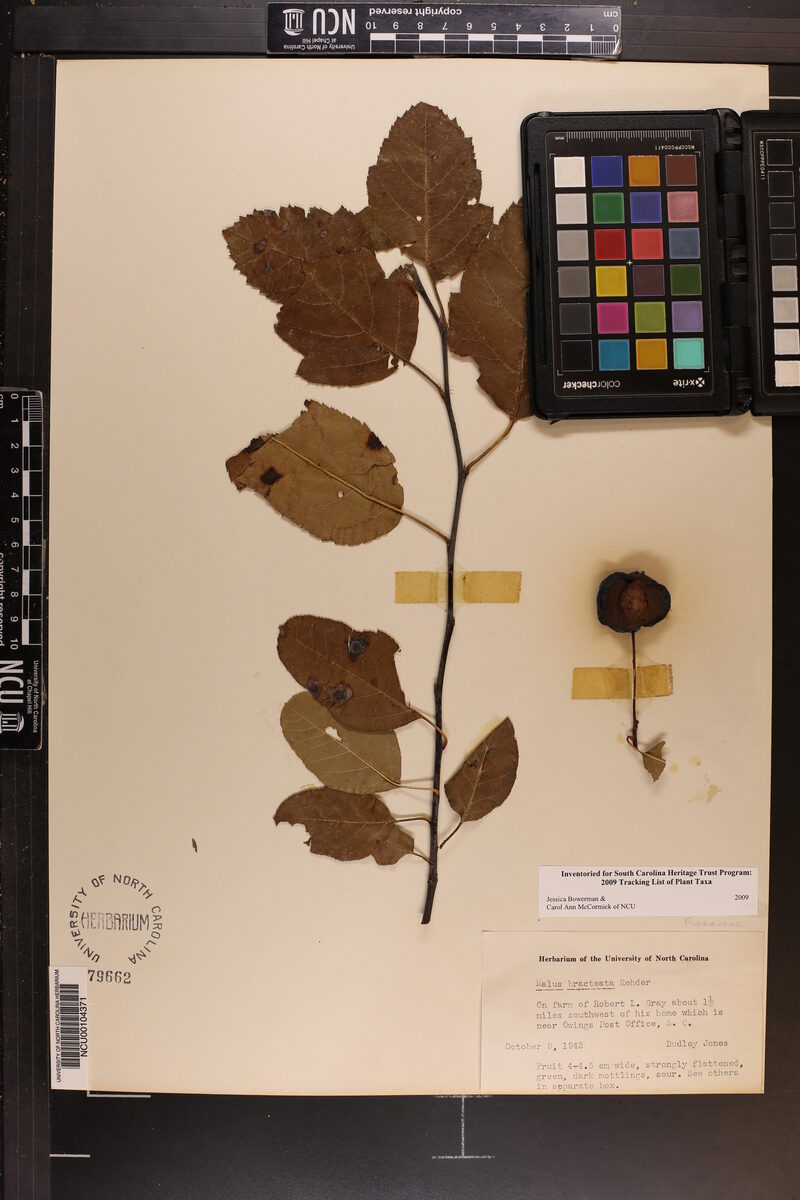
Malus bracteata
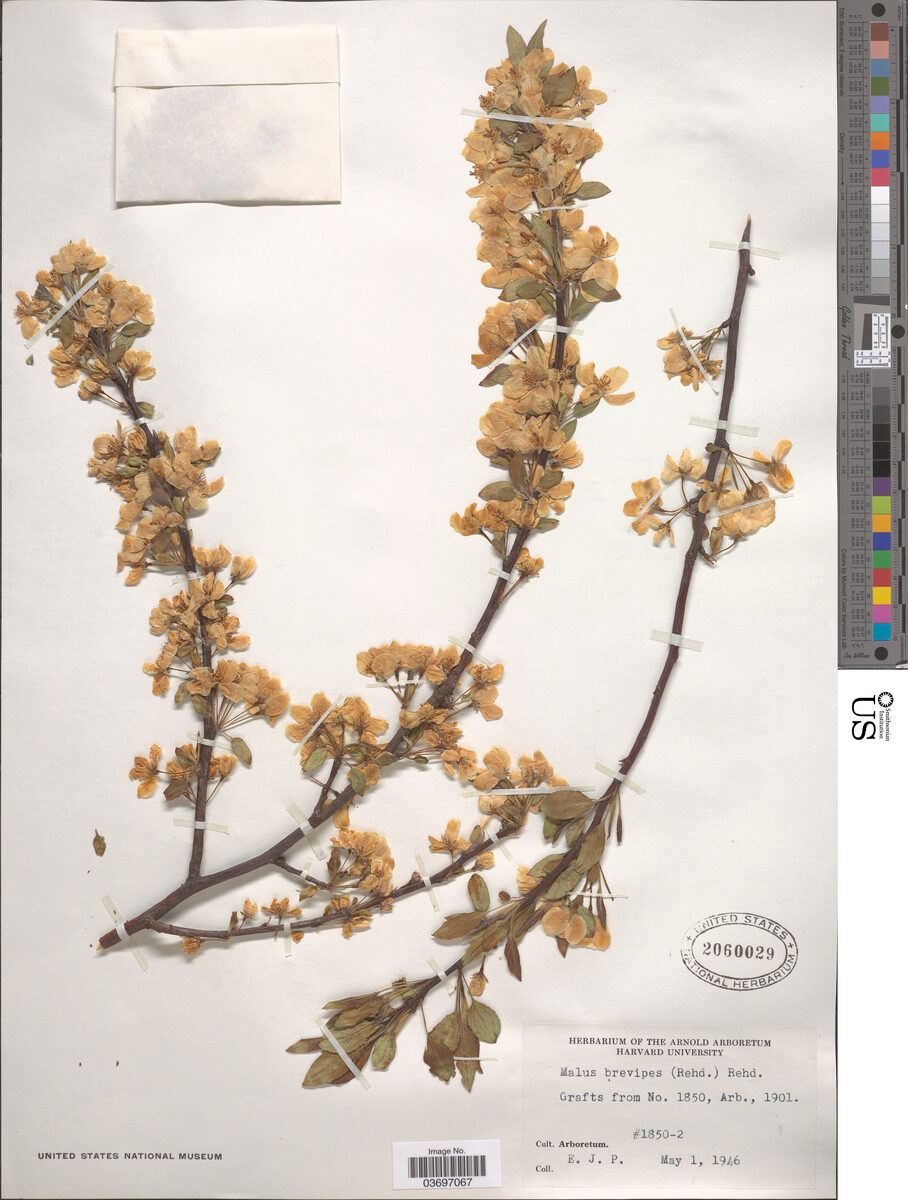
Malus brevipes - (Rehder.)Rehder.