Pupalia lappacea var. velutina
iNaturalist· cc-by-nc
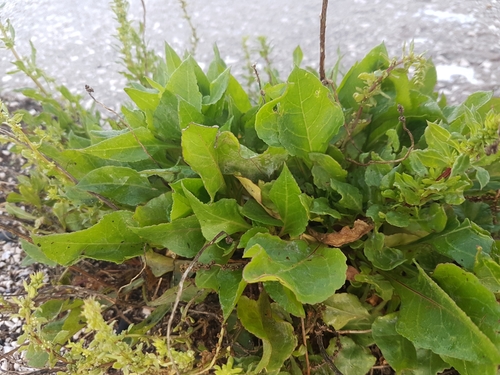
(c) Reuben Heydenrych, some rights reserved (CC BY-NC), uploaded by Reuben Heydenrych
iNaturalist· cc-by-nc
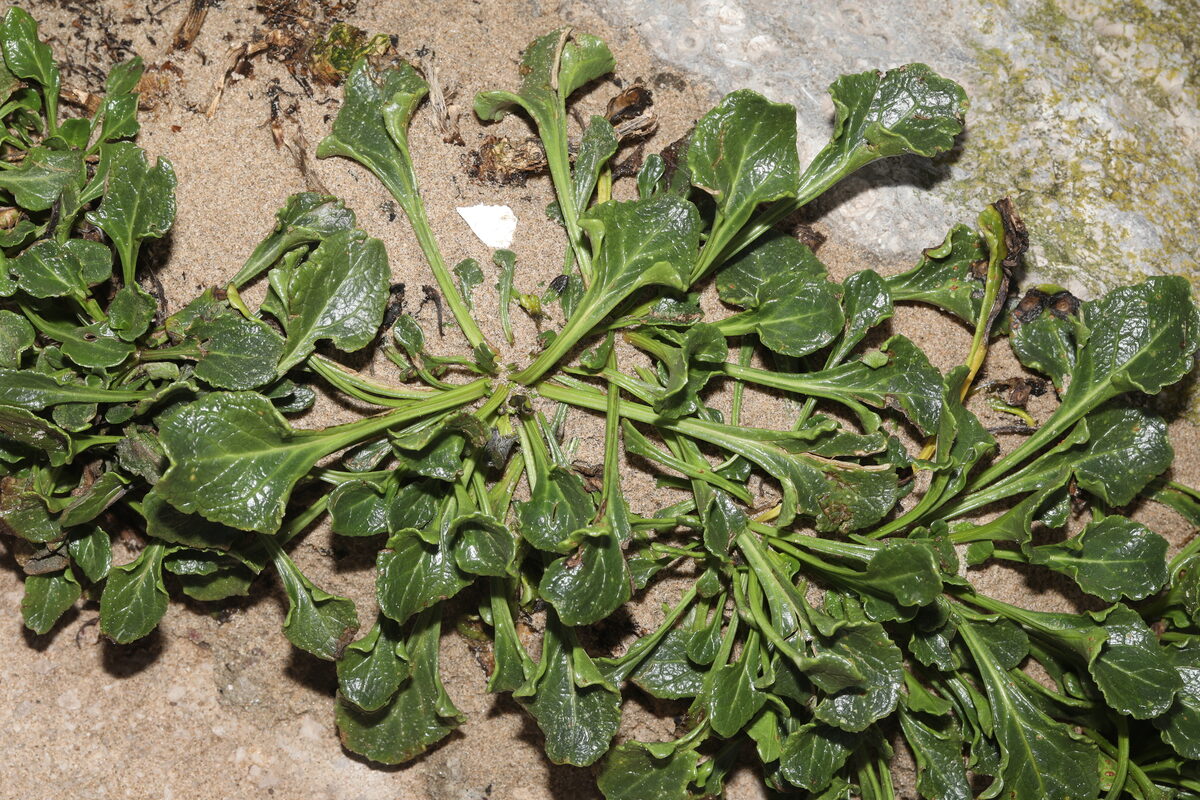
(c) Ricky Taylor, some rights reserved (CC BY-NC), uploaded by Ricky Taylor
iNaturalist· cc-by-nc
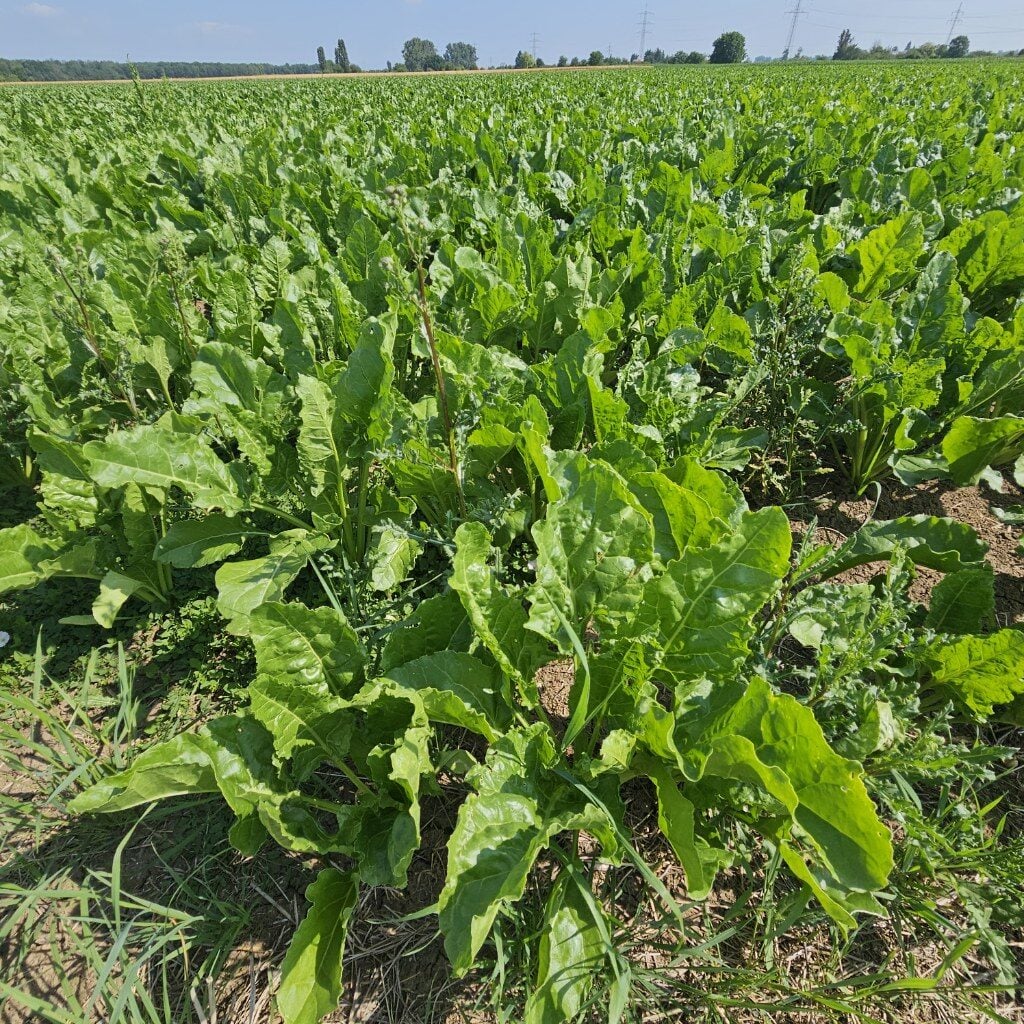
(c) Ricky Taylor, some rights reserved (CC BY-NC), uploaded by Ricky Taylor
Description
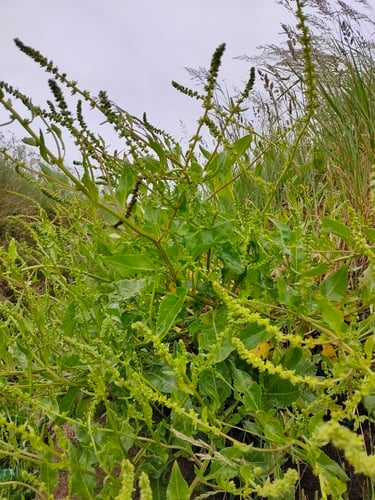
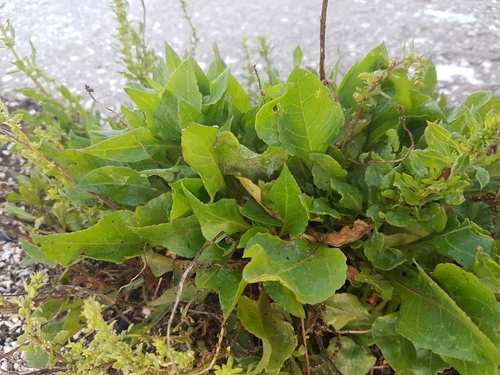
A small herb. It is hairy and spreads along the ground. It can grow each year from seeds or keep growing from year to year. The leaves are opposite and can be oval or rounded. They are 10 cm long. They narrow at the base to a short stalk. The leaves are hairy on both sides. The flowers are very small and papery. They can be yellow to purple or red. They are in alternate clusters 13 mm across. These are at the ends of the branches. The fruit are oval capsules 2.5 mm long. They have a very small brown seed.
Edible Uses
Young leaves are chopped, washed, and cooked, then mixed with coconut milk or peanuts and eaten with maize or rice.
Traditional Uses
The young leaves are chopped and washed and cooked. They are mixed with coconut milk or peanuts then eaten with maize or rice.
This uses section is brief — help expand it
Distribution
It is a tropical plant. It grows in dry bushland. In Tanzania it grow from sea level to 2,100 m above sea level.
Where It Grows
Africa, Asia, Botswana, East Africa, Egypt, Kenya, Madagascar, North Africa, Philippines, SE Asia, South Africa, Southern Africa, Tanzania, Uganda,
Cultivation
Plants can be grown by seeds.
Production
Leaves are collected during the rainy season.
Synonyms
Also Known As
Ilamata, Lulyamindi, Mamata, Mnasa nguo, Mumhai
References (1)
- Ruffo, C. K., Birnie, A. & Tengnas, B., 2002, Edible Wild Plants of Tanzania. RELMA p 552