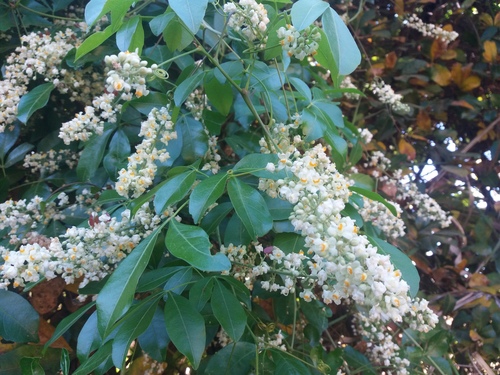
Acer spicatum
Lam.
Mountain maple
iNaturalist· cc-by-nc
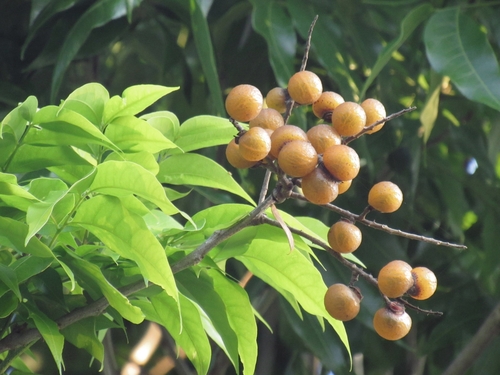
(c) mariepierlandry6, some rights reserved (CC BY-NC)
iNaturalist· cc-by
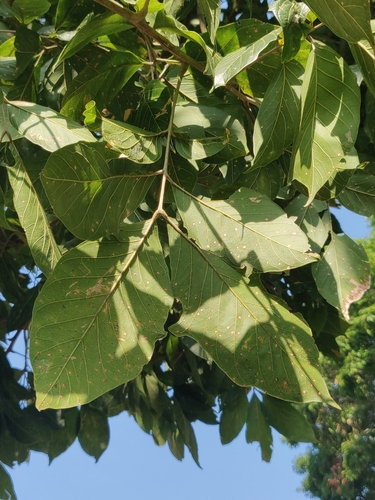
(c) Keith Kanoti, Maine Forest Service, Bugwood.org, some rights reserved (CC BY)
iNaturalist· cc-by
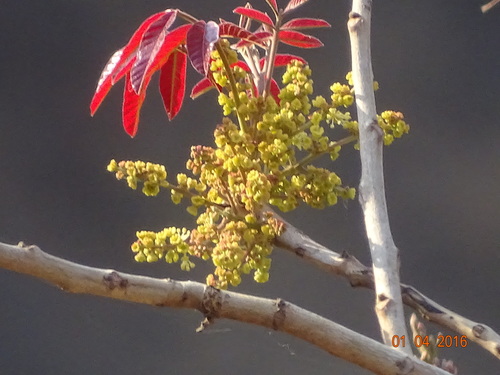
(c) Loïc Mathieu, some rights reserved (CC BY), uploaded by Loïc Mathieu
Summary
Source: WikipediaAcer spicatum, the mountain maple, dwarf maple, moose maple, or white maple, is a species of maple native to northeastern North America from Saskatchewan to Newfoundland, and south to Pennsylvania. It also grows at high elevations in the southern Appalachian Mountains to northern Georgia.
Description
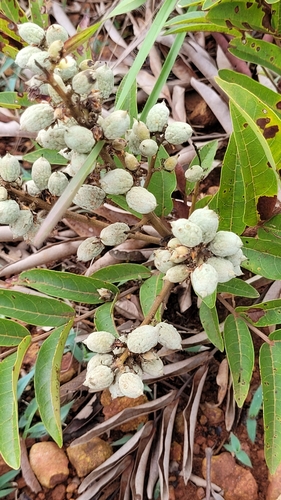
A shrub or small tree. It grows 5 m tall. There are prickles along the stem. The leaves are twice divided and there are 8-18 pairs of pinnae. There are up to 50 pairs of pinnules on each pinnae. The flowers are yellow. They are in large clusters at the ends of branches. The pods are flattened.
Edible Uses
Sugar is obtained from the sap, which can be drunk fresh or boiled down into a maple syrup used as a sweetener on many foods. Harvest in late winter; the flow is best on a warm sunny day after a frost, and trees on southern slopes in sandy soils give the best yields. The best production comes from cold-winter areas with continental climates.
Medicinal Uses
North American Indians made an infusion from the pith of young twigs and used it as eye drops to soothe irritation caused by campfire smoke; the pith itself was also used to remove foreign matter from the eyes. An infusion or poultice of the outer bark has been used to treat sore eyes. A poultice of boiled root chips has been applied externally to wounds and abscesses. A compound infusion of the roots and bark is used to treat internal haemorrhage.
Distribution
It is a temperate plant.
Where It Grows
Canada, North America, USA,
Cultivation
Grows well in heavy clay soils. Plants are hardy to about -35°c when fully dormant. The lower branches of trees often self-layer, the trees then forming an impenetrable thicket. Most maples are bad companion plants, inhibiting the growth of nearby plants.
Propagation
Seed is best sown as soon as it is ripe in a cold frame, usually germinating the following spring. Pre-soak stored seed for 24 hours then stratify for 2–4 months at 1–8°C; germination can be slow. Seed can also be harvested green — fully developed but before drying and producing germination inhibitors — and sown immediately for late-winter germination. Seed harvested too early produces very weak or no plants. Prick seedlings out into individual pots and grow on until 20cm or more tall before planting out. Layering takes about 12 months and is successful with most species in this genus; plants often self-layer in the wild. For cuttings taken in June or July, use young shoots with 2–3 pairs of leaves plus one pair of buds at the base; remove a thin slice of bark at the base and use a rooting hormone. Rooted cuttings must put on new growth during summer before being potted up, or they are unlikely to survive winter. This method usually produces strong plants.
Other Uses
Leaves packed around apples and rootcrops help preserve them. The bark contains tannins, though no quantity is given. The trees have an extensive root system useful for binding soil, and are often planted on banks to prevent erosion. The wood is close-grained, soft, and light, weighing 33lb per cubic foot.
Notes
Also put in the family Aceraceae.
References (2)
- Bailey,
- Kermath, B. M., et al, 2014, Food Plants in the Americas: A survey of the domesticated, cultivated and wild plants used for Human food in North, Central and South America and the Caribbean. On line draft. p 14