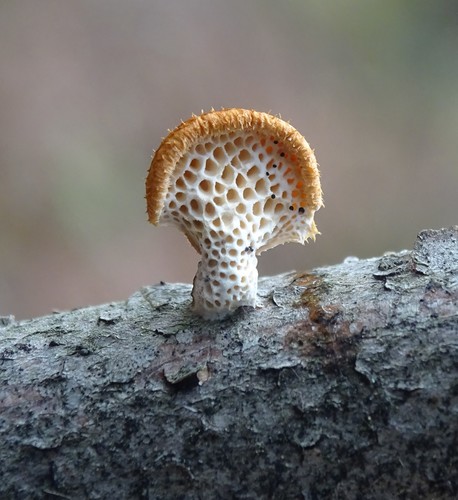
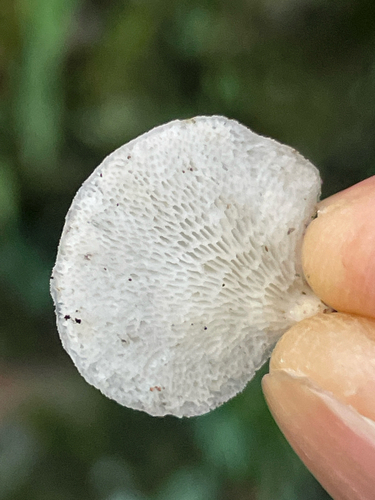
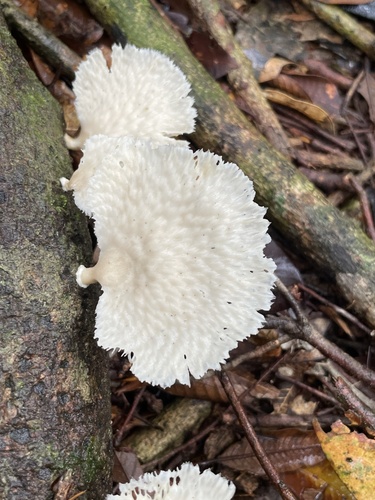
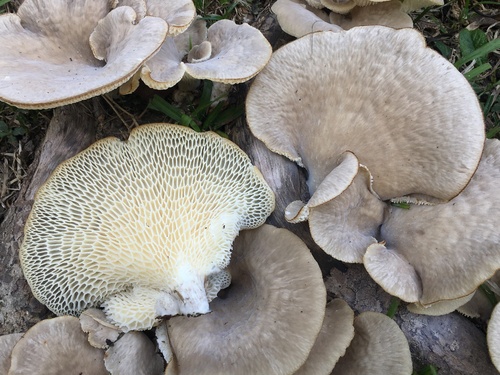
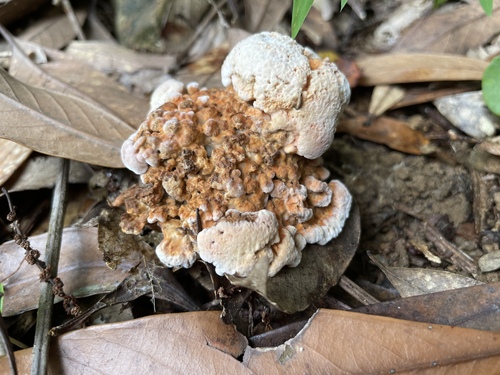
Thelephora ganbajun
M. Zang
iNaturalist· cc-by-nc
(c) Cory Whitney, some rights reserved (CC BY-NC), uploaded by Cory Whitney
iNaturalist· cc-by-nc
(c) jinzlung, some rights reserved (CC BY-NC)
iNaturalist· cc-by-nc
(c) jinzlung, some rights reserved (CC BY-NC)
Summary
Source: WikipediaThelephora ganbajun, or "ganba fungus," 干巴菌 / 乾巴菌, is a species of coral fungus in the family Thelephoraceae. It was described as new to science in 1987 by Chinese mycologist Mu Zang. It is found in Yunnan, where it grows as an ectomycorrhizal symbiote of Pinus yunnanensis and Pinus kesiya var. langbianensis.
Description
A temperate mushroom in the Thelephoraceae family that grows in association with pine trees and is popular for consumption.
This description is brief — help expand it
Edible Uses
The mushroom fruiting bodies are eaten as food.
Distribution
It is a temperate plant. It grows in association with pine trees.
Where It Grows
Asia, China,
Other Information
It is popular.
References (3)
- Boa, E. R., 2004, Wild edible fungi and their importance to people. FAO Non Wood Forest Products Booklet 17
- Mortimer, P. E. et al, 2012, Prized edible Asian mushrooms: ecology, conservation and sustainability. Fungal Diversity 56(1) p 31-47
- Norikura, T., et al, 2011, Anticancer Activities of Thelephantin O and Vialinin A from Thelephora aurantiotincta. Journal of Agriculural and Food Chemistry. 59: 6974-6979