Deutzia monbeigii
W. W. Sm.
wikimedia· cc-by-sa
Wikimedia Commons - 阿橋 HQ
wikimedia· cc0
Wikimedia Commons - Daderot
gbif· cc-by-nc
Field Museum of Natural History - Botany Department
Summary
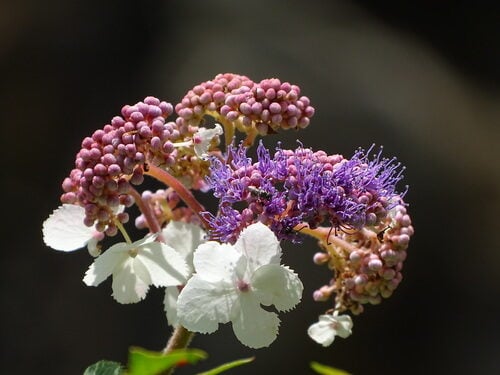
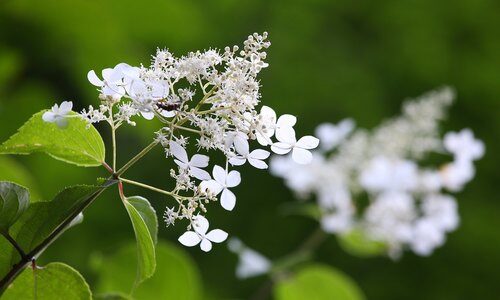
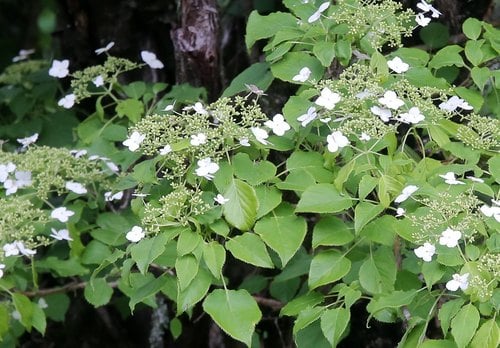
Source: WikipediaDeutzia monbeigii, the Monbeig's deutzia (Chinese: 维西溲疏), is a species of flowering plant in the family Hydrangeaceae that is native to Southwest China. This plant, originally from the northwest of Yunnan, China, was introduced by George Forrest in 1920. He initially collected it in November 1917, and then again in July 1921. Growing to 1.2 m (3.9 ft), it has ovate, pointed, toothed leaves, and bright pink or white, star-shaped flowers in early to midsummer. In cultivation in the UK it has gained the Royal Horticultural Society's Award of Garden Merit. It should be grown in moist but well-drained soil under full sunlight or partial shade. It can be propagated using softwood cuttings during summer.
Description
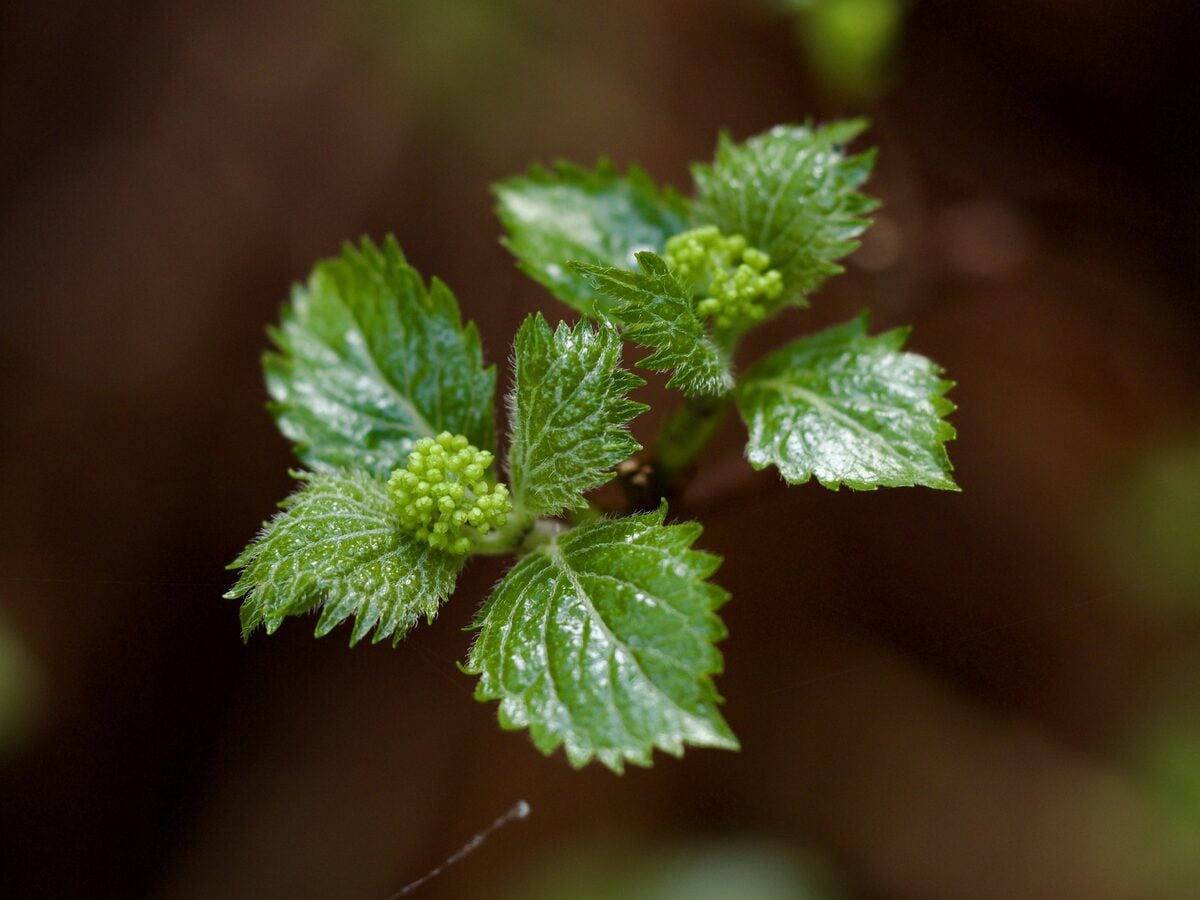
A shrub. It grows 1-1.5 m tall. The leaves are narrowly oval and 1-4 cm long by 1-2 cm wide. They are hairy underneath. The young flowering branches are brown and 3-8 cm long with 4-6 leaves. The fruit is a grey-yellow capsule 3-4 mm across.
Edible Uses
The fruit are eaten as a snack.
Traditional Uses
The fruit are eaten as a snack.
This uses section is brief — help expand it
Distribution
It is a temperate plant. It grows in thickets between 2,000-3,000 m above sea level. In Sichuan and Yunnan.
Where It Grows
Asia, China, Himalayas,
References (2)
- Flora of China @ efloras.org Volume 8
- Weckerle, C. S., et al, 2006, Plant Knowledge of the Shuhi in the Hengduan Mountains, Southwest China. Economic Botany 60(1):2-23