Hydrangea arborescens
L.
Wild hydrangea
iNaturalist· cc-by-nc
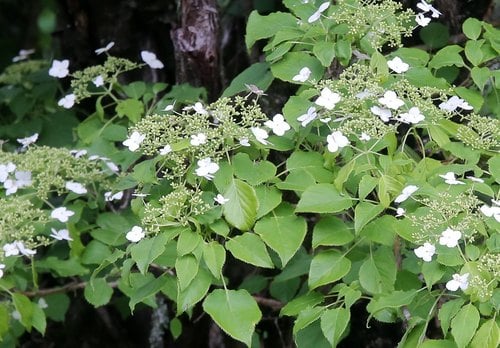
(c) Link Davis, some rights reserved (CC BY-NC), uploaded by Link Davis
iNaturalist· cc-by-sa
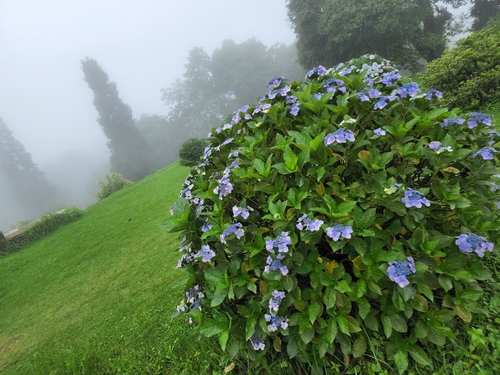
(c) Douglas Goldman, some rights reserved (CC BY-SA), uploaded by Douglas Goldman
iNaturalist· cc-by-nc
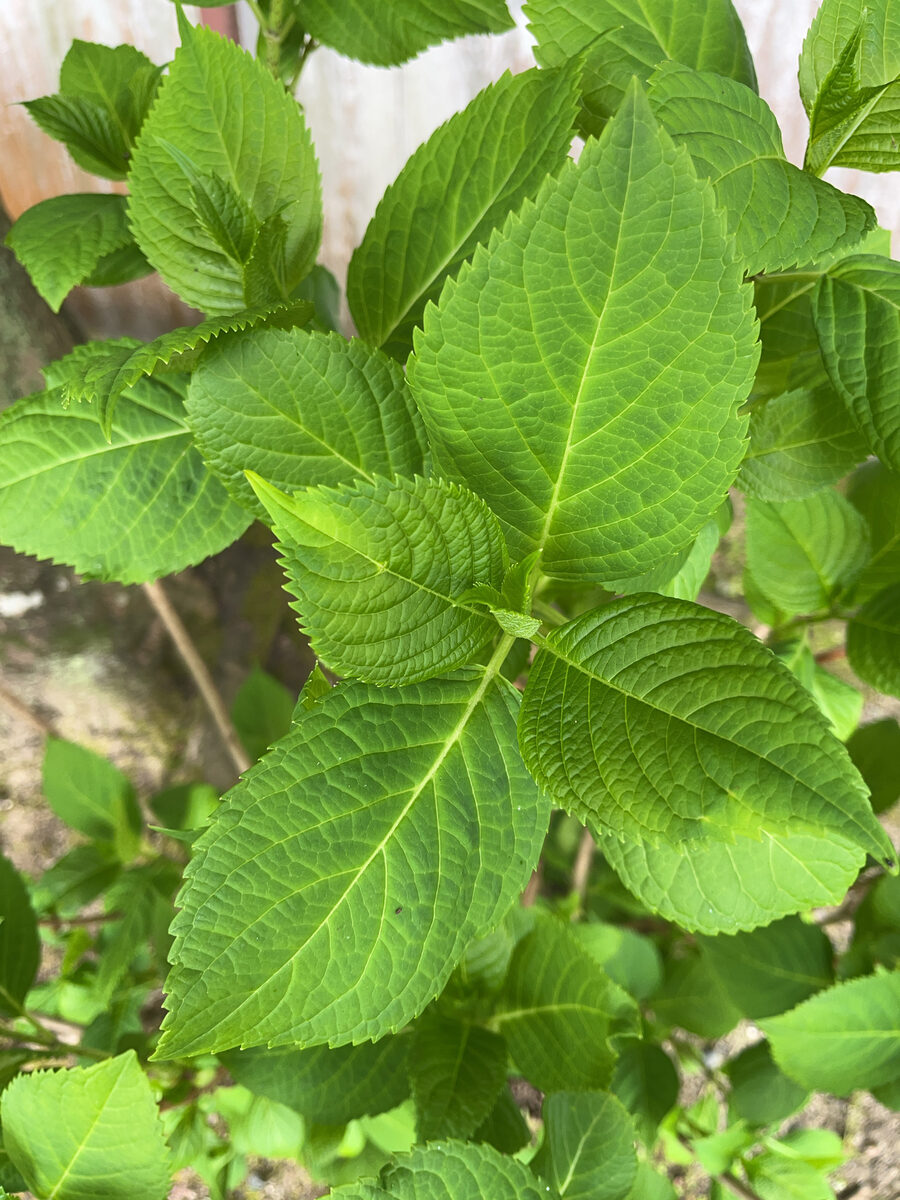
(c) Patrick Coin, some rights reserved (CC BY-NC)
Summary
Source: WikipediaHydrangea arborescens, commonly known as smooth hydrangea or sevenbark, is a species of flowering plant in the family Hydrangeaceae. It is a small- to medium-sized, multi-stemmed, deciduous shrub up to 2 m (7 ft) tall that is native to the eastern United States.
Description
Hydrangea arborescens is a medium-growth deciduous shrub reaching 3 m tall by 2 m wide. Hardy to UK zone 3 and not frost-tender. Hermaphrodite flowers bloom July to August, pollinated by bees and noted for attracting wildlife. Tolerates light sandy, medium loamy, and heavy clay soils preferring well-drained conditions, with mildly acid to mildly alkaline pH, adapting to very acid soils. Grows in semi-shade or full sun, preferring moist soil.
Edible Uses
The peeled branches and twigs can be brewed into a tea. Young twigs can be peeled, boiled thoroughly, and then fried and eaten.
Traditional Uses
The peeled branches and twigs are boiled to make tea.
This uses section is brief — help expand it
Medicinal Uses
Known as seven barks, this plant was used by North American Indians to treat kidney and bladder stones and remains in use for these purposes in modern herbalism, where it is considered to encourage expulsion of stones and help dissolve those that remain. The roots are anthelmintic, cathartic, diaphoretic, diuretic, emetic, and tonic, used in the treatment of kidney stones, mucous irritations of the bladder, cystitis, nephritis, enlarged prostate, and bronchial afflictions. Excessive doses can cause dizziness and bronchial congestion. The fresh roots are succulent and easy to cut; once dry they become very tough. They are harvested in autumn and best cut into short sections before drying. Scraped bark is used as a poultice on wounds, burns, sore muscles, and sprains. The bark is chewed for stomach and heart ailments. The leaves are cathartic, diuretic, sialagogue, and tonic.
Known Hazards
Dizziness, chest pain, gastrointestinal distress. Weak potential for sensitization.
Distribution
It is a temperate plant.
Where It Grows
Asia, Korea, North America, Slovenia, USA,
Cultivation
Tolerates most soils, thriving in a well-drained loamy soil, but resenting dryness at the roots. Requires partial shade. Does well on very acid soils with a pH around 4.5. In frosty areas it is best to site the plant in a position shaded from the early morning sun. A good bee plant. The flowers are sweetly scented. Plants are best left unpruned. Another report says that the previous year's flowering shoots should be cut back in early spring. This species is notably susceptible to honey fungus.
Propagation
Seed - surface sow in a greenhouse in spring and cover the pot with paper until germination occurs. Prick seedlings into individual pots when large enough to handle and grow on in a greenhouse for at least their first winter. Plant out in late spring or early summer after the last expected frosts. Cuttings of half-ripe wood, 8cm long, taken in July/August in a frame; overwinter in a greenhouse and plant out in late spring. Thick growths make the best cuttings and should be placed in individual pots — expect a good percentage success. Cuttings of mature wood can be taken in late autumn in a frame. Mound layering in spring takes 12 months. Sucker divisions in late winter can be planted out directly into permanent positions. Leaf-bud cuttings of the current season's growth can also be taken in a frame.
Other Uses
The plant attracts wildlife and is noted for its scent.
Synonyms
Also Known As
Velecvetna virginska hortenzija
References (1)
- Moerman, D. F., 2010, Native American Ethnobotany. Timber Press. p 270