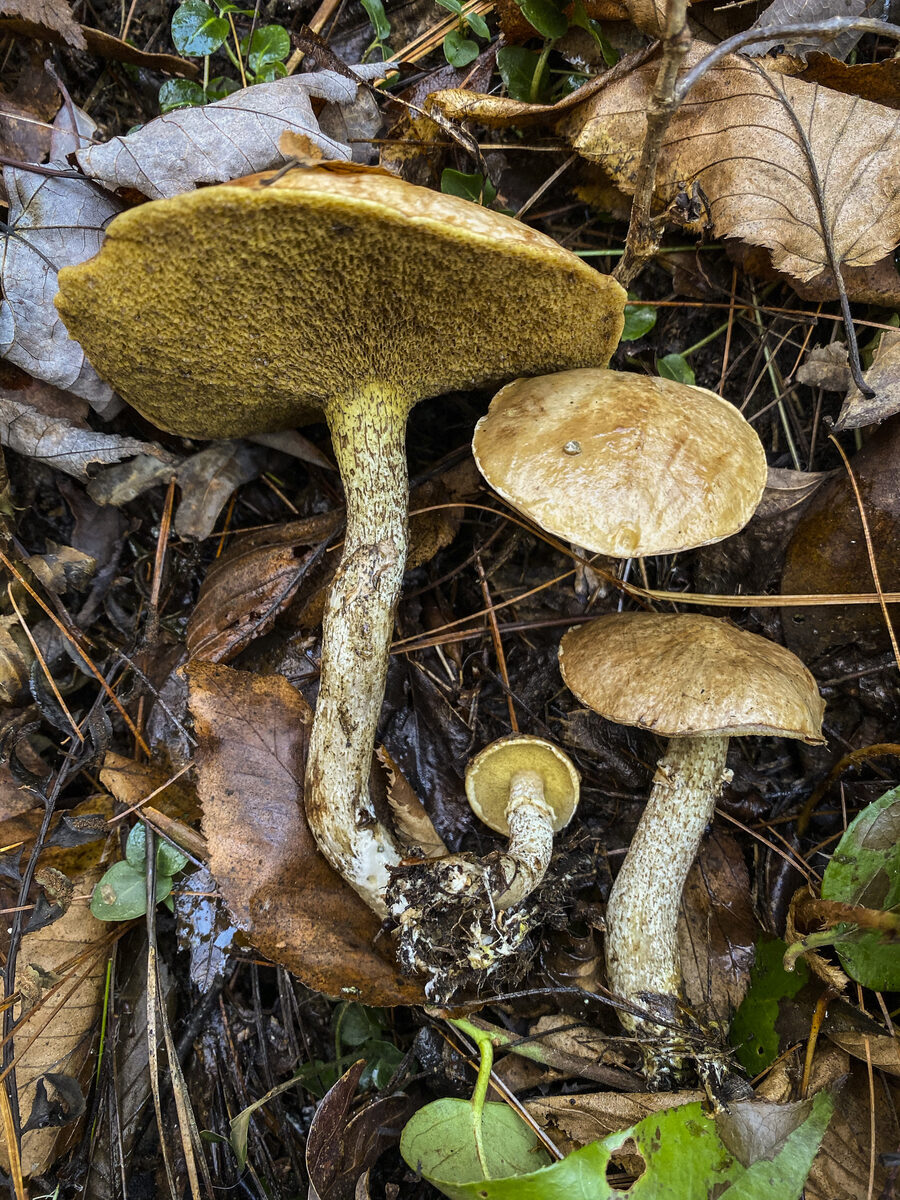
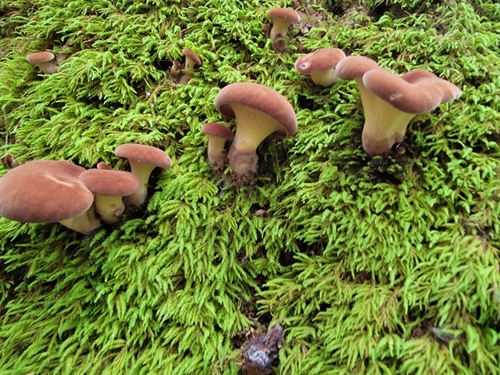
Boletus aestivalis
Paulet ex Fr.
White-cap bolete
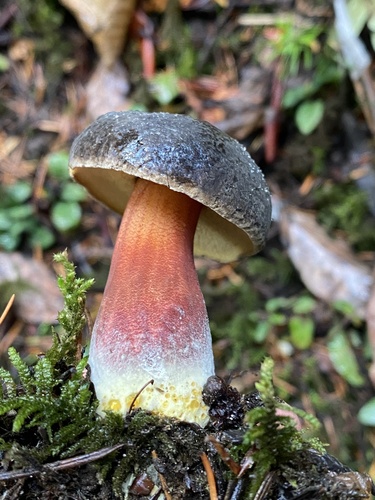
iNaturalist· cc-by-nc-sa
(c) Bogdan V. Kryzhatyuk, some rights reserved (CC BY-NC-SA)
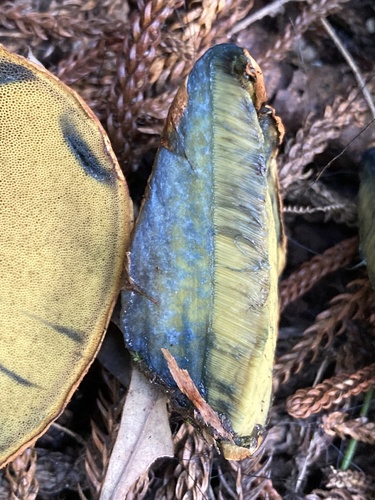
iNaturalist· cc-by-nc-sa
(c) Bogdan V. Kryzhatyuk, some rights reserved (CC BY-NC-SA)
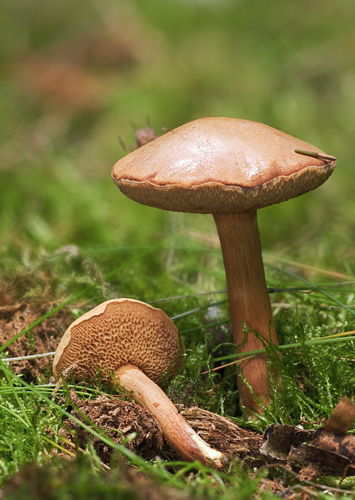
iNaturalist· cc-by-nc
(c) rwiese, some rights reserved (CC BY-NC)
Description
Boletus aestivalis is a bolete mushroom found in temperate regions. The fungus fruiting body is the edible portion.
This description is brief — help expand it
Edible Uses
The mushroom is eaten as a fungus.
Distribution
It is a temperate plant.
Where It Grows
Asia, Balkans, Bulgaria, China, Europe, India, Jordan, Mexico, Middle East, North America, Slovenia, Spain,
Also Known As
Liniugajun, Mazayel, Pananaca blanquito
References (7)
- Boa, E. R., 2004, Wild edible fungi and their importance to people. FAO Non Wood Forest Products Booklet 17
- Dembitsky, V. M., et al, 2010, Amino and Fatty Acids of Wild Edible Mushrooms of the genus Boletus, Rec. Nat. Prod. 4:4 (2010) 218-223
- Estrada-Martinez, E., et al, 2009, Contribucion al conocimiento etnomicologico de los Hongos Comestibles Silvestres de Mercados Regionales y Comunidades de la Sierra Nevada (Mexico). Intercienca Jan 2009 Vol. 34 No. 1
- Hall, I. R., et al, 2003, Edible and Poisonous Mushrooms of the World. Timber Press. p 311
- Rila Monastery Nature Park Management Plan 2004 - 2013 (Bulgaria) p 380
Show all 7 references Hide references
- Thatoi, H. & Singdevsachan, S. K., 2014, Diversity, nutritional composition and medicinal potential of Indian mushrooms: A review. African Journal of Biotechnology 13(4): 523-545
- Zamora-Martinez, M. et al, 1995, Natural production of wild edible mushrooms in the southwestern rural territory of Mexico City, Mexico. Forest Ecology and Management 72:13-20