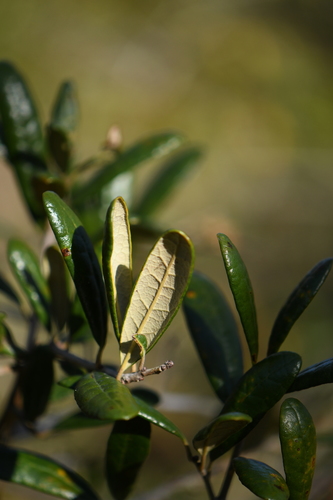
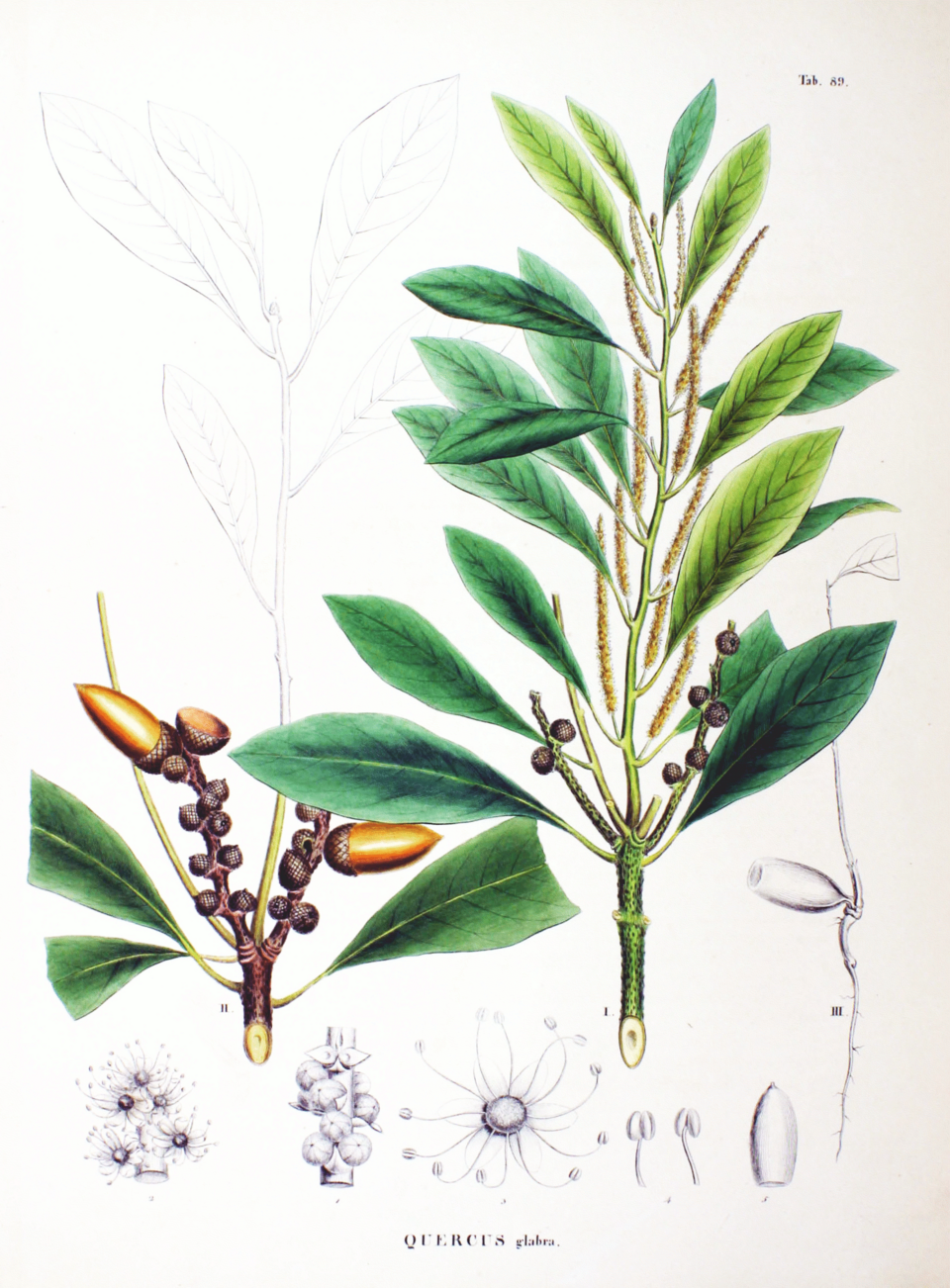
Castanopsis wallichii
King ex Hook. f.
iNaturalist· cc-by-nc-nd
(c) loupok, some rights reserved (CC BY-NC-ND)
gbif· cc0
President and Fellows of Harvard College
Summary
Source: WikipediaCastanopsis wallichii is a species of plant in the family Fagaceae. It is a tree found in Peninsular Malaysia and Singapore. It is threatened by habitat loss.
Description
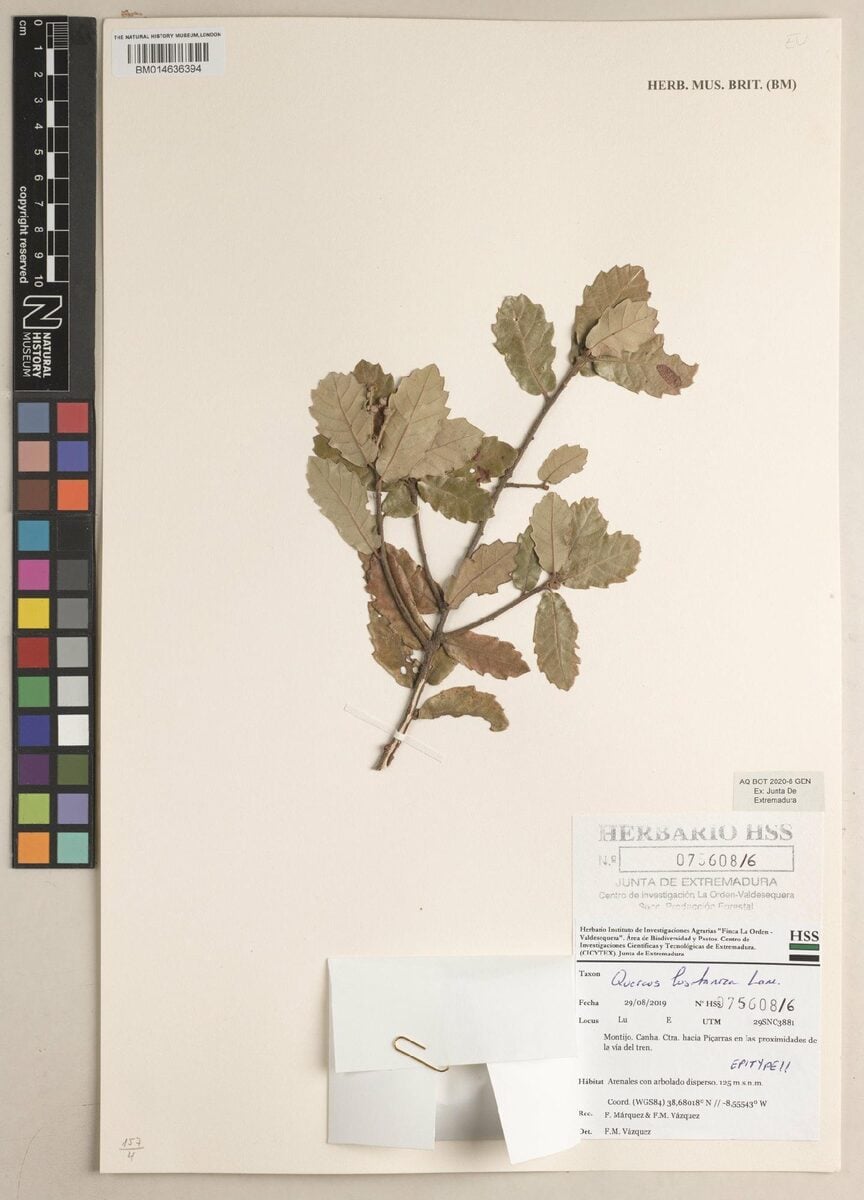
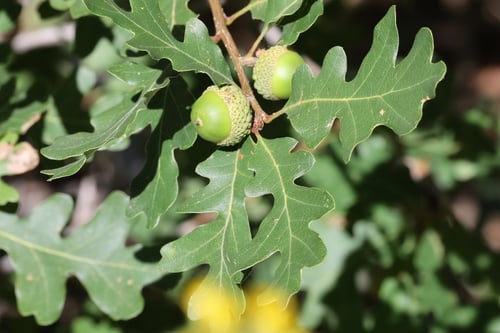
A tall tree. The leaves are small. They are 5-9 cm long. The nuts are in a very spiny case. This is 25-30 mm across.
This description is brief — help expand it
Edible Uses
The seeds are eaten raw, cooked, roasted or used in chocolates and pastries. The subglobose to obovoid seed is 15 - 30mm long and 10 - 20mm wide with a thin shell; one seed is produced per cupule.
Traditional Uses
The nuts are eaten raw or roasted. They can be used in pastries.
This uses section is brief — help expand it
Distribution
A tropical plant. It grows in forests at low altitudes.
Where It Grows
Asia, Indochina, Indonesia, Laos, Malaysia, Myanmar, SE Asia, Singapore, Thailand,
Cultivation
Castanopsis species are generally tolerant of a range of soils, preferably well-drained. They succeed in full sun, though young plants generally grow best in dappled woodland shade.
Propagation
Seed - easy to germinate if sown fresh. Self-sown seedlings can be transplanted.
Other Uses
The bark is a source of tannins and can be used as a dye, to weatherproof fibres etc. The branches and stems of many Castanopsis species are used as bed logs in mushroom cultivation. The wood is hard, difficult to work and liable to splitting. The wood is a good fuel and can be used to make charcoal.
Notes
There are about 120 Castanopsis species. Many have edible nuts.
Also Known As
Berangan duri, Kertak tangga, Ko baan
References (7)
- Burkill, I.H., 1966, A Dictionary of the Economic Products of the Malay Peninsula. Ministry of Agriculture and Cooperatives, Kuala Lumpur, Malaysia. Vol 1 (A-H) p 495
- Castillo, C., 2013, The Archaeobotany of Khao Sam Kaeo and Phu Khao Thong: The Agriculture of Late Prehistoric Southern Thailand. Ph. D. thesis University College, London p 378
- Menninger, E.A., 1977, Edible Nuts of the World. Horticultural Books. Florida p 16
- Milow, P., et al, 2013, Malaysian species of plants with edible fruits or seeds and their evaluation. International Journal of Fruit Science. 14:1, 1-27
- PROSEA (Plant Resources of South East Asia) handbook, Volume 2, 1991, Edible fruits and nuts.
Show all 7 references Hide references
- Wickens, G.E., 1995, Edible Nuts. FAO Non-wood forest products. FAO, Rome. p 125
- World Checklist of Useful Plant Species 2020. Royal Botanic Gardens, Kew