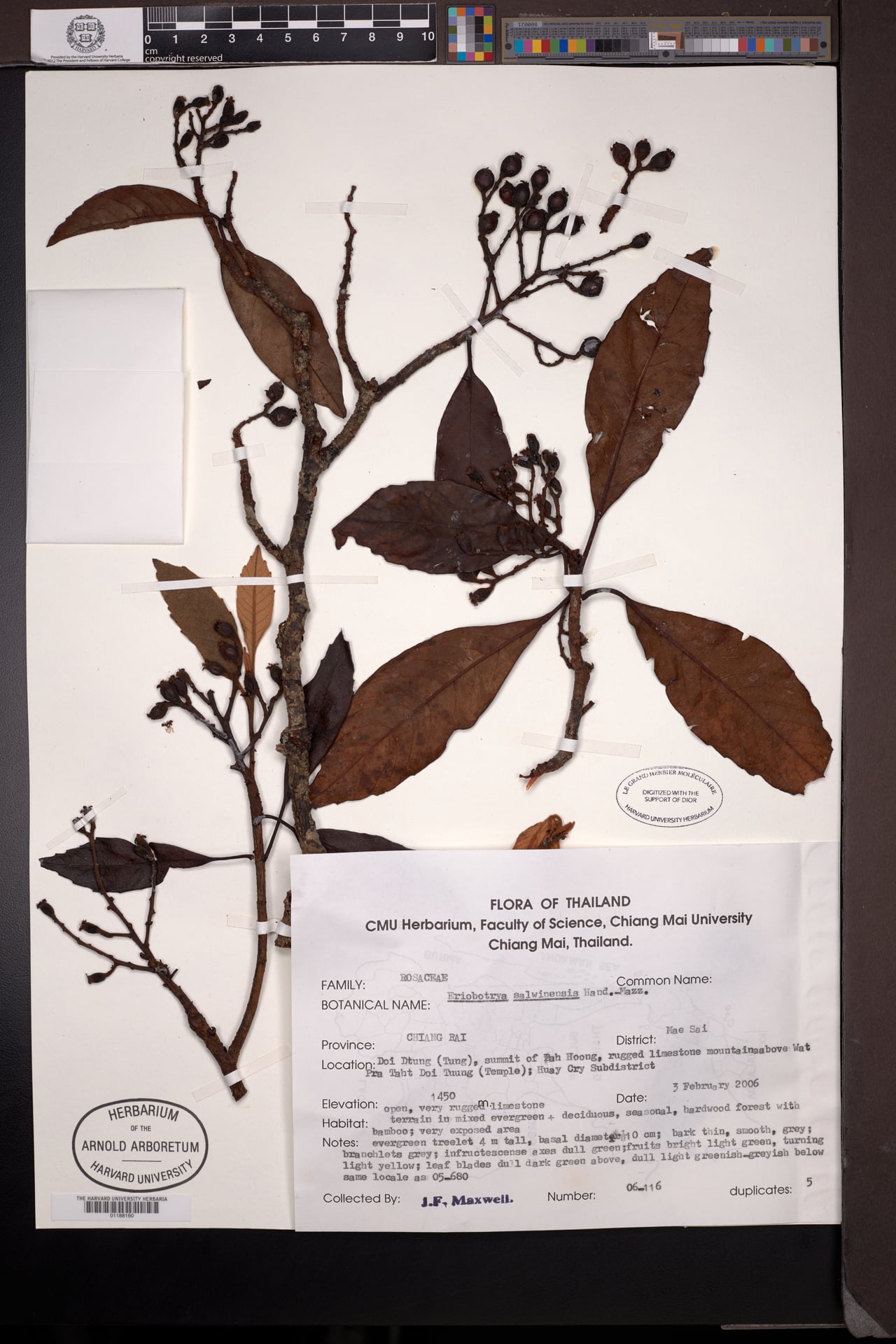
Cercocarpus montanus
Raf.
iNaturalist· cc-by-nc-sa
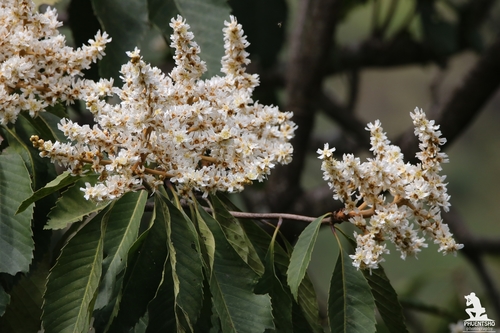
(c) Bridget McCall, some rights reserved (CC BY-NC-SA), uploaded by Bridget McCall
iNaturalist· cc-by-nc
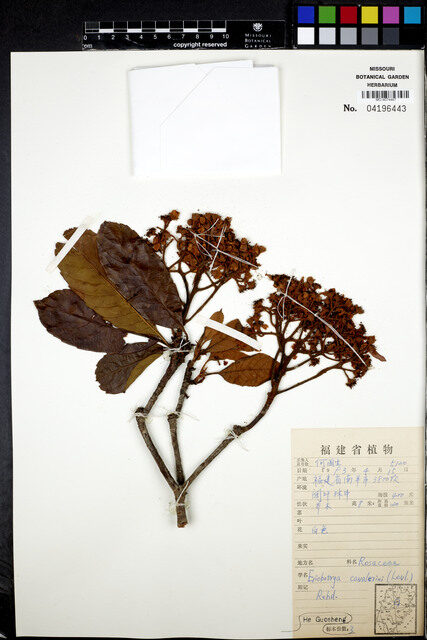
(c) Suzanne Dingwell, some rights reserved (CC BY-NC), uploaded by Suzanne Dingwell
iNaturalist· cc-by-nc
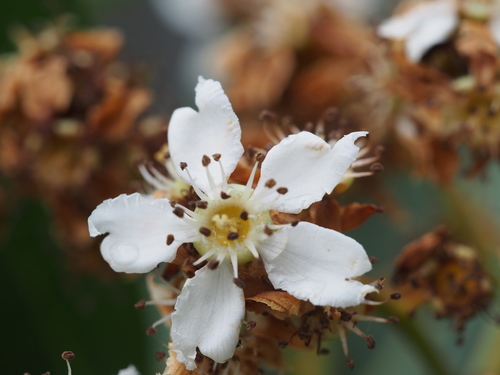
(c) Chuck Sexton, some rights reserved (CC BY-NC), uploaded by Chuck Sexton
Summary
Source: WikipediaCercocarpus montanus is a North American species of shrub or small tree in the family Rosaceae native to northern Mexico and the western United States. It is known by the common names alder-leaf mountain-mahogany, alder-leaf cercocarpus, and true mountain-mahogany. The variety argenteus is commonly known as silverleaf mountain-mahogany.
Description
Cercocarpus montanus is an evergreen shrub reaching 4 m at a medium growth rate, hardy to UK zone 5. It remains in leaf year-round and flowers from May to June with hermaphrodite flowers pollinated by insects. The plant fixes nitrogen and tolerates light sandy, medium loamy, and heavy clay soils with good drainage. It requires full sun, grows in mildly acid to mildly alkaline soils, and handles both dry and moist conditions as well as maritime exposure.
Edible Uses
None known
Medicinal Uses
An infusion of the leaves has been used as a general tonic to strengthen the system. The roots and bark have been used to treat stomach complaints. A cold infusion of the plant or leaves has been used as a laxative.
Distribution
It is a temperate plant. It grows in hardiness zone 6-9.
Where It Grows
USA,
Cultivation
Requires a perfectly drained soil in a sunny position. Tolerant of salt spray. Succeeds in a hot dry position. This species has many sub-species. Whilst some forms are hardy to about -17°c when in a suitable soil and position, other forms are frost tender. The hardiest forms, succeeding in zone 5, are C. montanus argenteus (Rydb.)F.L.Matinn and C. montanus glaber (S.Wats.)F.L.Martin. Less hardy are C. montanus paucidentatus (S.Wats.)F.L.Martin which succeeds in zone 7, C. montanus blanchae (C.Schneid.)F.L.Martin and C. montanus minutiflorus (Abrams.)F.L.Martin are hardy in zone 8 whilst C. montanus traskiae (Eastw.)F.L.Martin. is the least hardy, to zone 9. Some members of this genus have a symbiotic relationship with certain soil micro-organisms, these form nodules on the roots of the plants and fix atmospheric nitrogen. Some of this nitrogen is utilized by the growing plant but some can also be used by other plants growing nearby.
Propagation
Sow seed in autumn or late winter in a cold frame. More tender forms are best sown in late winter; hardier forms are best sown in autumn. Once large enough to handle, prick seedlings into individual pots and grow on in a cold frame for at least their first winter. Plant out into permanent positions in late spring or early summer after the last expected frosts. Cuttings of half-ripe wood can be taken in July/August in a frame.
Other Uses
Bunches of tied stems have been used as rough brooms. A red to brown dye can be obtained from the root bark, often mixed with alder and wild plum root barks in the dyeing process. The plant tolerates maritime exposure and can be trained as a hedge in seaside gardens. The wood is heavy, hard, and brittle, making it a valuable fuel and occasionally used in the manufacture of small domestic and industrial articles. Functions as a nitrogen fixer; suitable for food forest and hedging use.
References (1)
- Jackes, D. A., Edible Forest Gardens