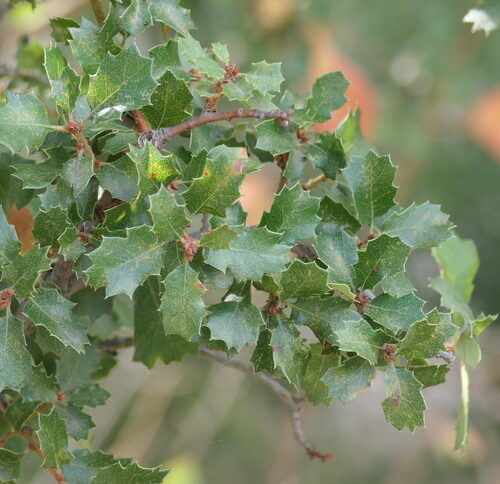
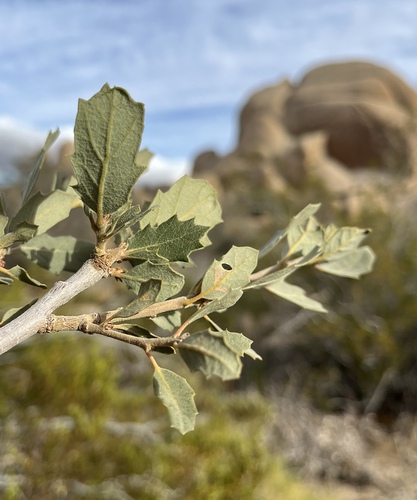
Castanopsis orthacantha
Franchet
Hairy conic chestnut
wikimedia· cc-by
Carlos Lopez-Vaamonde, David Agassiz, Sylvie Augustin, Jurate De Prins, Willy De Prins, Stanislav Gomboc, Povilas Ivinskis, Ole Karsholt, Athanasios Koutroumpas, Fotini Koutroumpa, Zdeněk Laštůvka, Eduardo Marabuto, Elisenda Olivella, Lukasz Przybylowicz, Alain Roques, Nils Ryrholm, Hana Sefrova, Peter Sima, Ian Sims, Sergey Sinev, Bjarne Skulev, Rumen Tomov, Alberto Zilli, David Lees (via Wikimedia Commons)
Summary
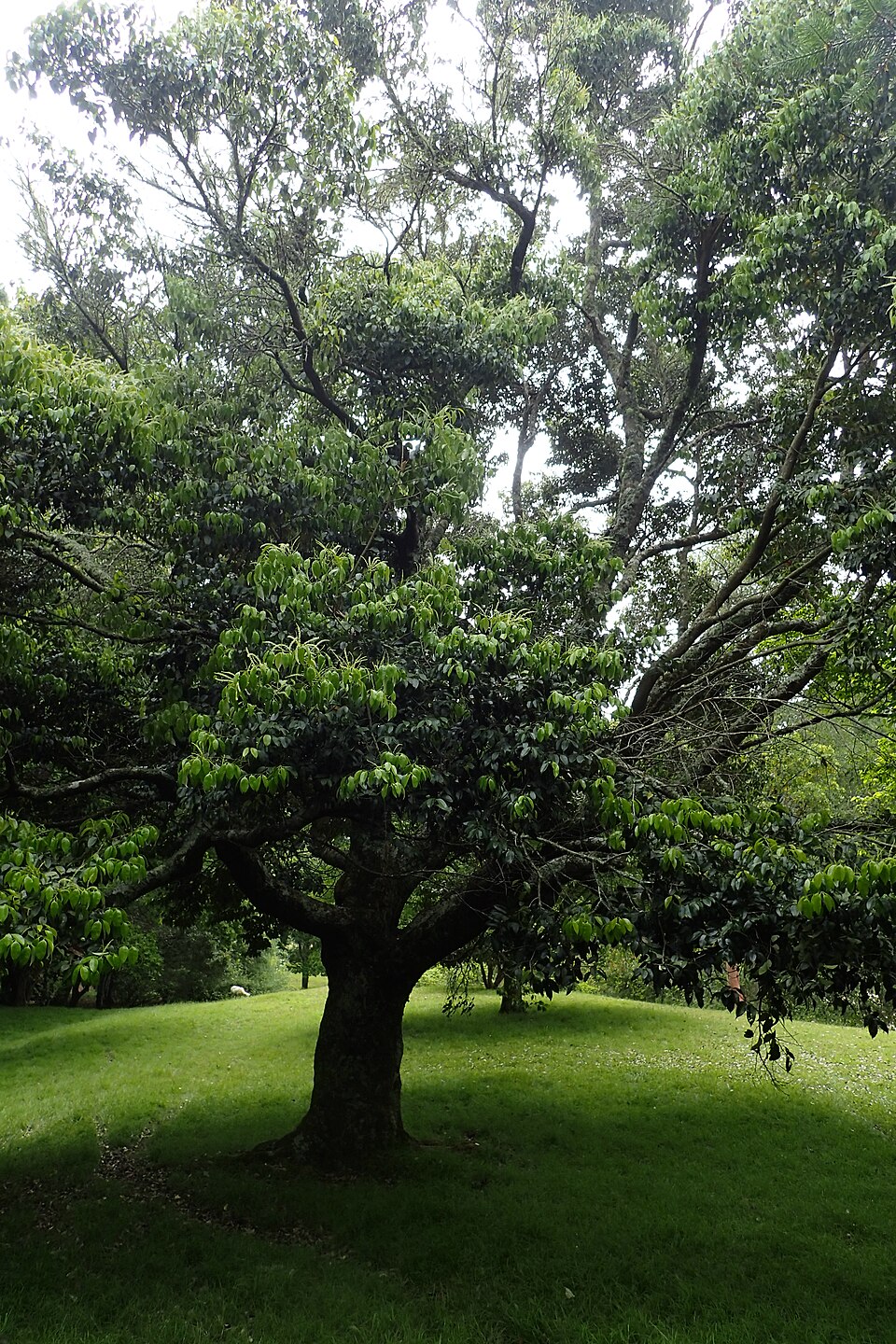
Source: WikipediaEvergreen tree reaching 20 m tall with year-round foliage. Flowers bloom May to June, with seeds maturing October to November after approximately 18 months of development. Monoecious with wind and midge pollination. Prefers medium loamy or heavy clay soils with mildly acid to neutral pH. Tolerates semi-shade in light woodland with preference for moist soil. Hardy to UK zone 8.
Description
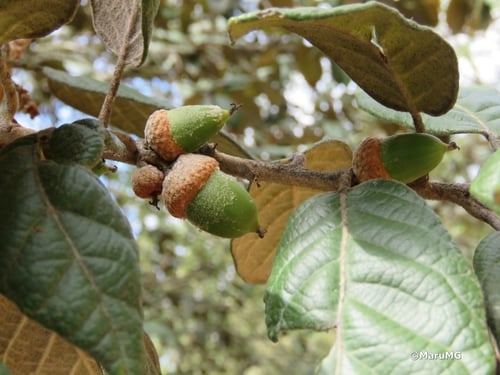
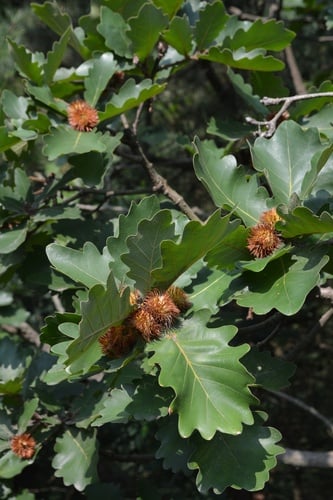
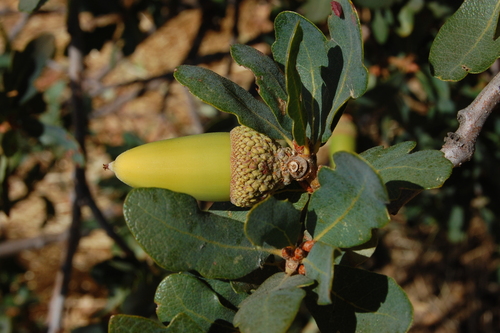
A tree. It grows 10-15 m high but can be 20 m high. The leaf stalk is about 1 cm long. The leaf blade is oval or sword shaped and is 7-14 cm long by 2.5-5 cm wide. It is leathery. The base is rounded. There can be teeth along the edge. There are 9-13 side veins each side of the mid vein. There are 3 female flowers per cup. The flowering stalk is 15 cm long. The cup is 3-3.5 cm across. It splits into 4 segments. There are 1-3 nuts per cup. They are cone shaped. They are 1-1.5 cm across. They are densely hairy.
Edible Uses
Seeds up to 15 mm diameter are edible raw or cooked. Seeds require approximately 18 months to mature.
Traditional Uses
The nuts are eaten raw.
This uses section is brief — help expand it
Medicinal Uses
None known
Distribution
A tropical plant. It grows in mixed and broad leafed evergreen forest in southern China. It grows between 1500-3200 m altitude.
Where It Grows
Asia, China,
Cultivation
Prefers a good deep medium to stiff loam. Requires a sheltered position in semi-shade and a lime-free soil. Although cold hardy in much of Britain, tolerating temperatures down to about -10°c, this species really requires a warm continental climate if it is to prosper and it does not do well in the maritime climate of this country. The seed takes two growing seasons from fertilization to maturity. The catkins have an unpleasant hawthorn-like smell to attract midges for their pollination.
Propagation
Sow seeds immediately after ripening in a cold frame with cold stratification. Seeds have short viability and must remain moist; store in sealed plastic bag in refrigerator for several months maximum. Soak stored seeds in warm water 24-48 hours before sowing. Germination typically occurs within 1-3 months at 15°C. Prick out seedlings into individual pots when large enough; plant in mid-summer or overwinter in a cold frame and plant in late spring. Protect young plants from cold during their first few winters outdoors.
Other Uses
Scented plant.
Notes
There are about 120 Castanopsis species. Many have edible nuts.
Synonyms
Also Known As
Yuan jiang zhui
References (3)
- Huang Chengjiu, Zhang Yongtian, Bartholomew, B., Fagaceae, Flora of China.
- Hu, Shiu-ying, 2005, Food Plants of China. The Chinese University Press. p 345
- Plants for a Future database, The Field, Penpol, Lostwithiel, Cornwall, PL22 0NG, UK. http://www.scs.leeds.ac.uk/pfaf/