Laurocerasus undulata
Roem.
gbif· cc-by
The New York Botanical Garden
gbif· cc-by
The New York Botanical Garden
gbif· cc0
GBIF
Description
A shrub or small tree. It grows 5-16 m tall. The leaves are narrowly oval or sword shaped and 6-15 cm long by 3-5 cm wide. The flowers are in groups of 10-30 flowers. The petals are yellowish white. The fruit is fleshy and purple to black. They are oval and 1-1.6 cm long by 0.7-1.1 cm wide.
Edible Uses
The fruit are eaten.
Distribution
It is a subtropical plant. In Sikkim it grows between 2,400-3,200 m above sea level. In southern China it grows between 500-3,600 m above sea level. In Sichuan and Yunnan.
Where It Grows
Asia, Bangladesh, Bhutan, China, Himalayas, India, Indochina, Indonesia, Laos, Myanmar, Nepal, Northeastern India, SE Asia, Sikkim, Thailand, Tibet, Vietnam,
Production
In southern China plants flower in August to October and fruit in winter and spring.
Also Known As
Lekh arupate
References (5)
- Flora of China @ efloras.org Volume 9
- Li, S., et al, 2020, Monpa, memory, and change: an ethnobotanical study of plant use in Mêdog County, South-east Tibet, China. Journal of Ethnobiology and Ethnomedicine. (2020) 16:5 p 22
- Savita, et al, 2006, Studies on wild edible plants of ethnic people in east Sikkim. Asian J. of Bio Sci. (2006) Vol. 1 No. 2 : 117-125
- Sundriyal, M., et al, 1998, Wild edibles and other useful plants from the Sikkim Himalaya, India. Oecologia Montana 7:43-54
- Sundriyal, M., et al, 2004, Dietary Use of Wild Plant Resources in the Sikkim Himalaya, India. Economic Botany 58(4) pp 626-638
More from Rosaceae
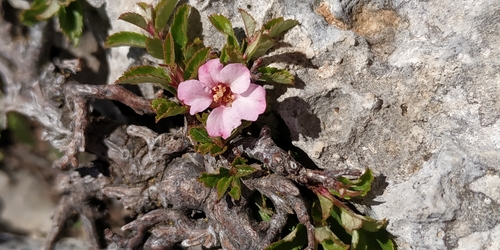
Prunus prostrata
Mountain cherry, Prostrate cherry
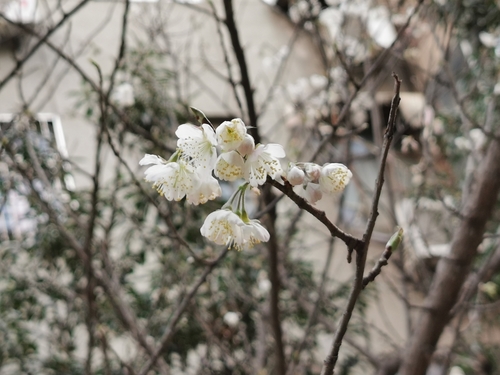
Prunus pseudocerasus
Bastard cherry, Chinese early cherry, Cambridge cherry, Yingtao, Japanese cherry tree
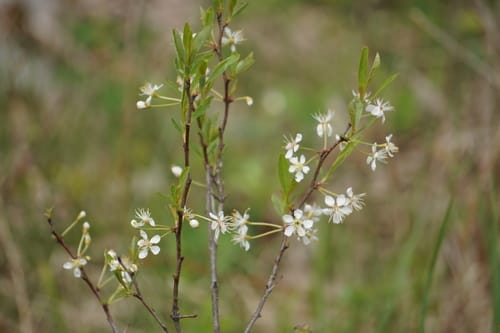
Prunus pumila
Sand cherry, Dwarf cherry
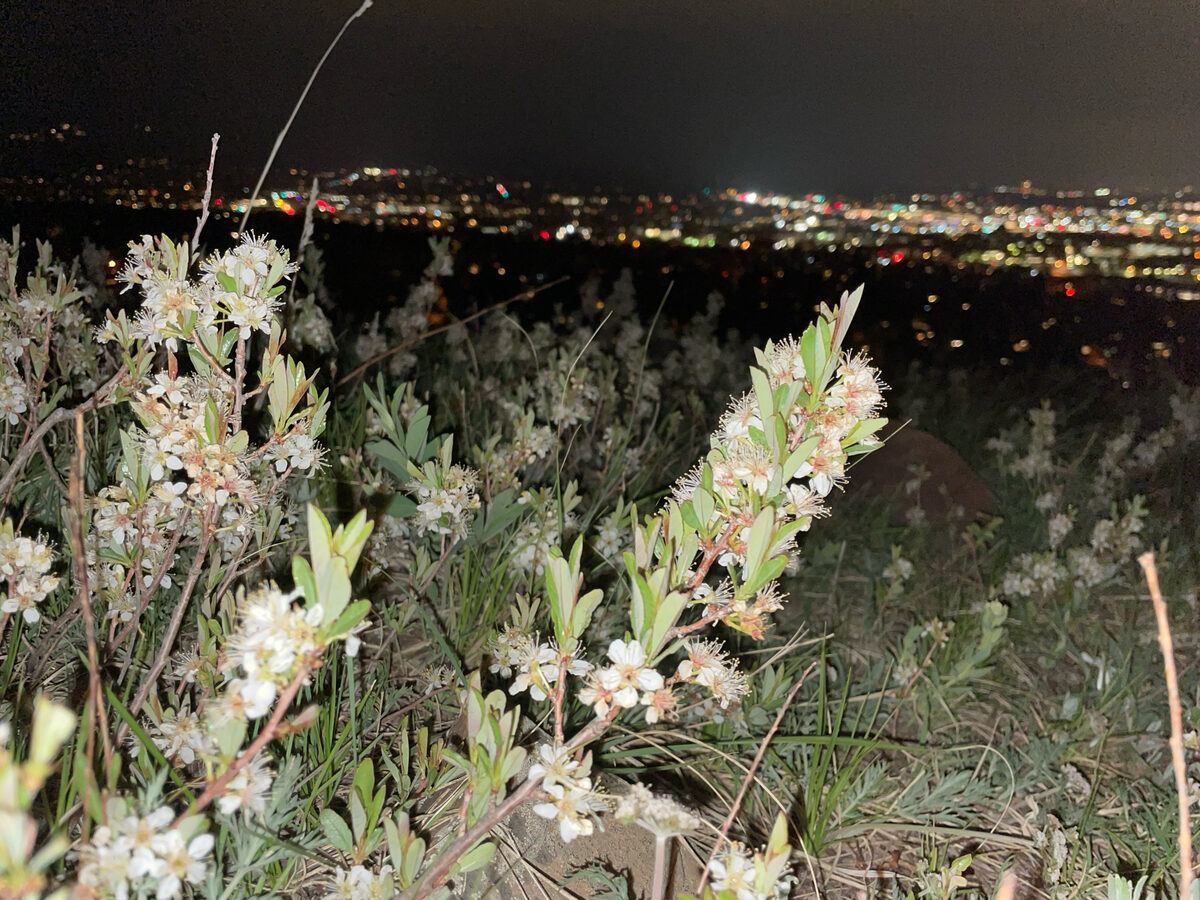
Prunus pumila besseyi - (L.H.Bailey) Waugh
Sand cherry, Rocky Mountain cherry
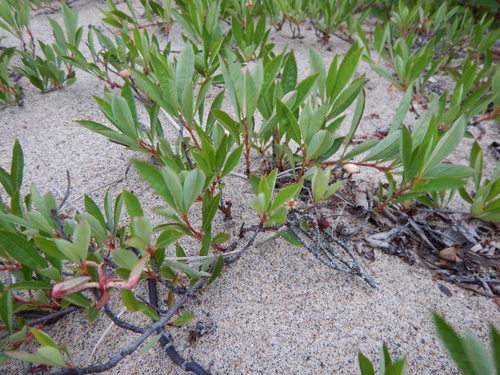
Prunus pumila subsp. susquehanae
Dwarf American cherry, Appalachian cherry
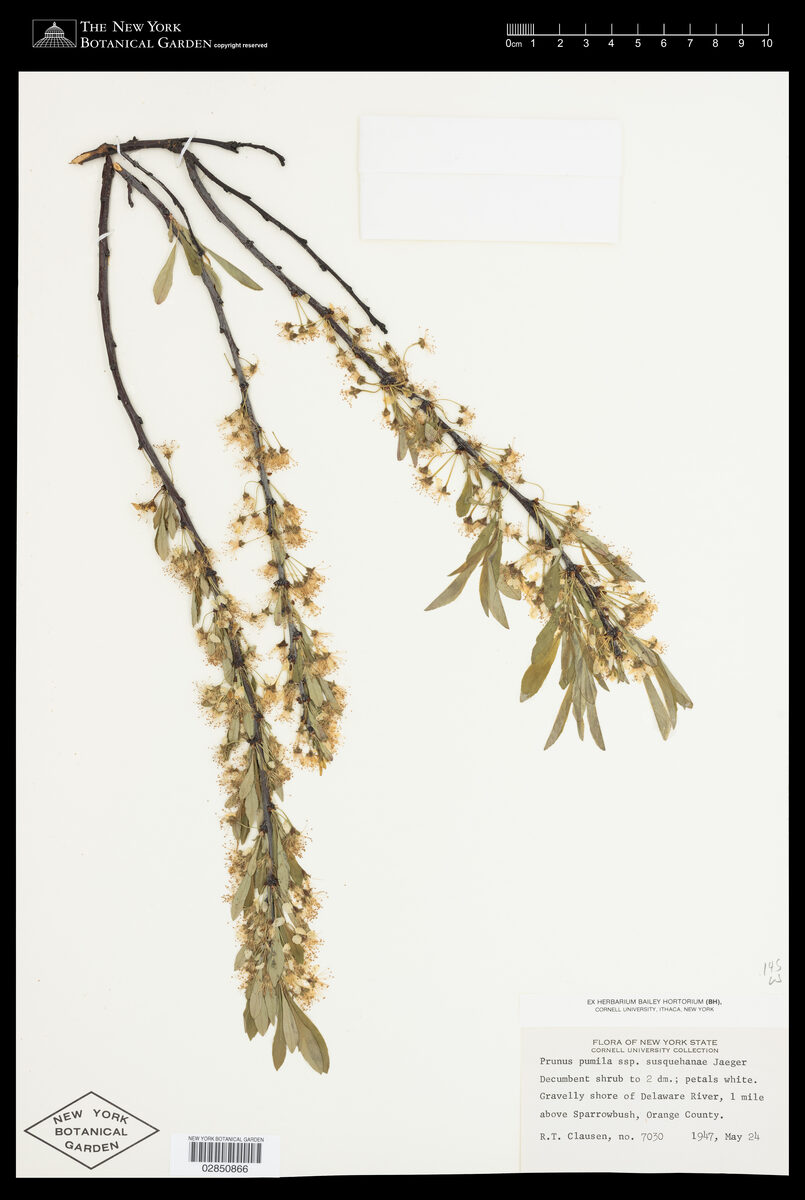
Prunus pumila susquehanae - (Willd.)Jaeger.
Dwarf American Cherry