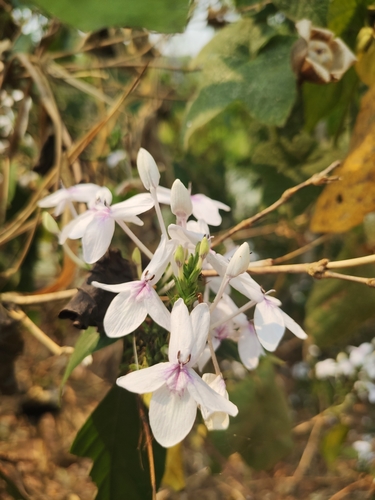
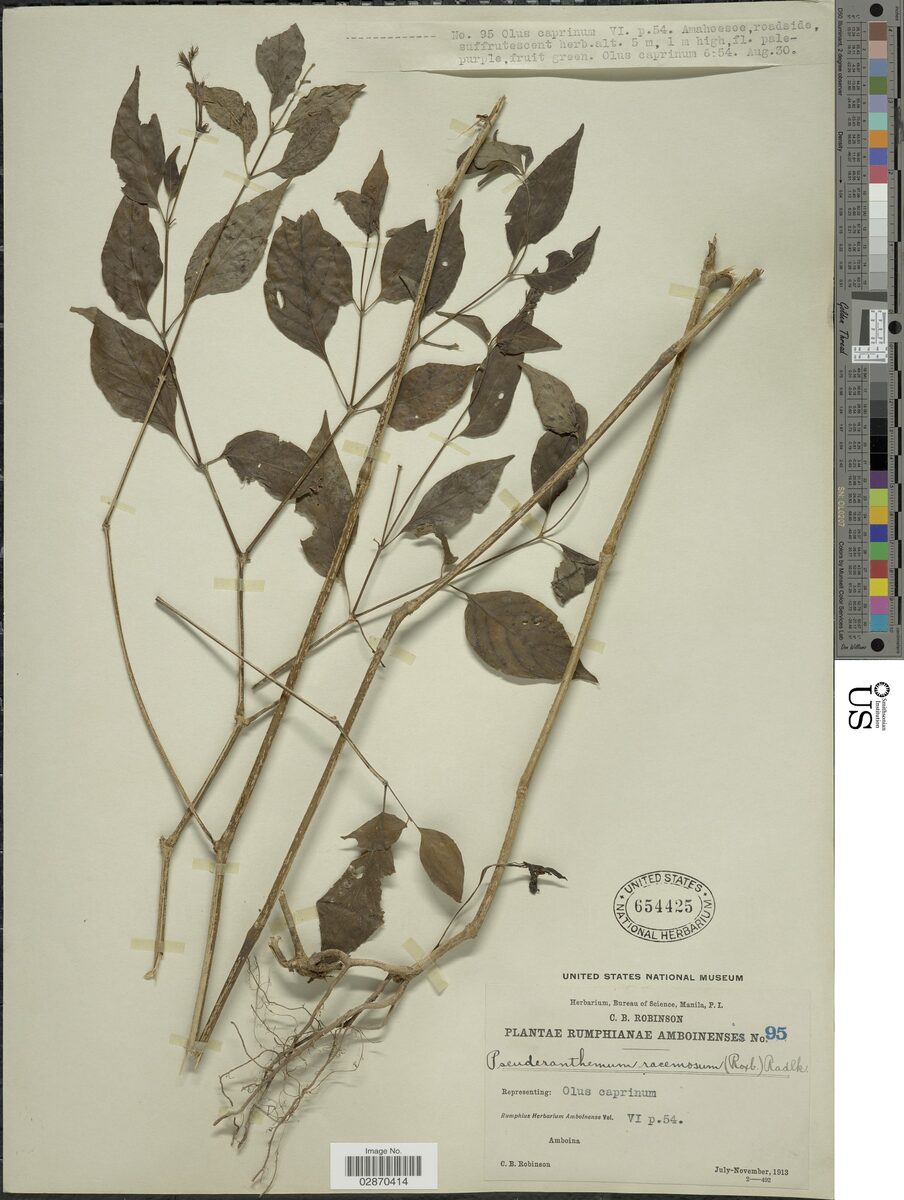
Acanthus sennii
Chiov.
Ethiopian acanthus
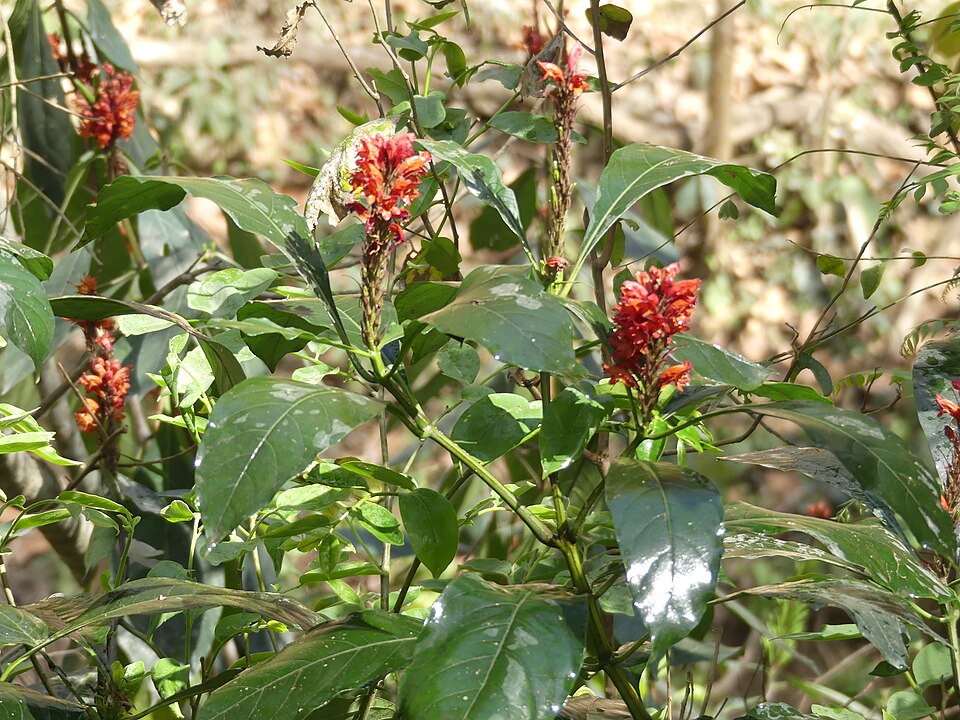
iNaturalist· cc-by-nc
(c) Phillip Harpootlian, some rights reserved (CC BY-NC), uploaded by Phillip Harpootlian
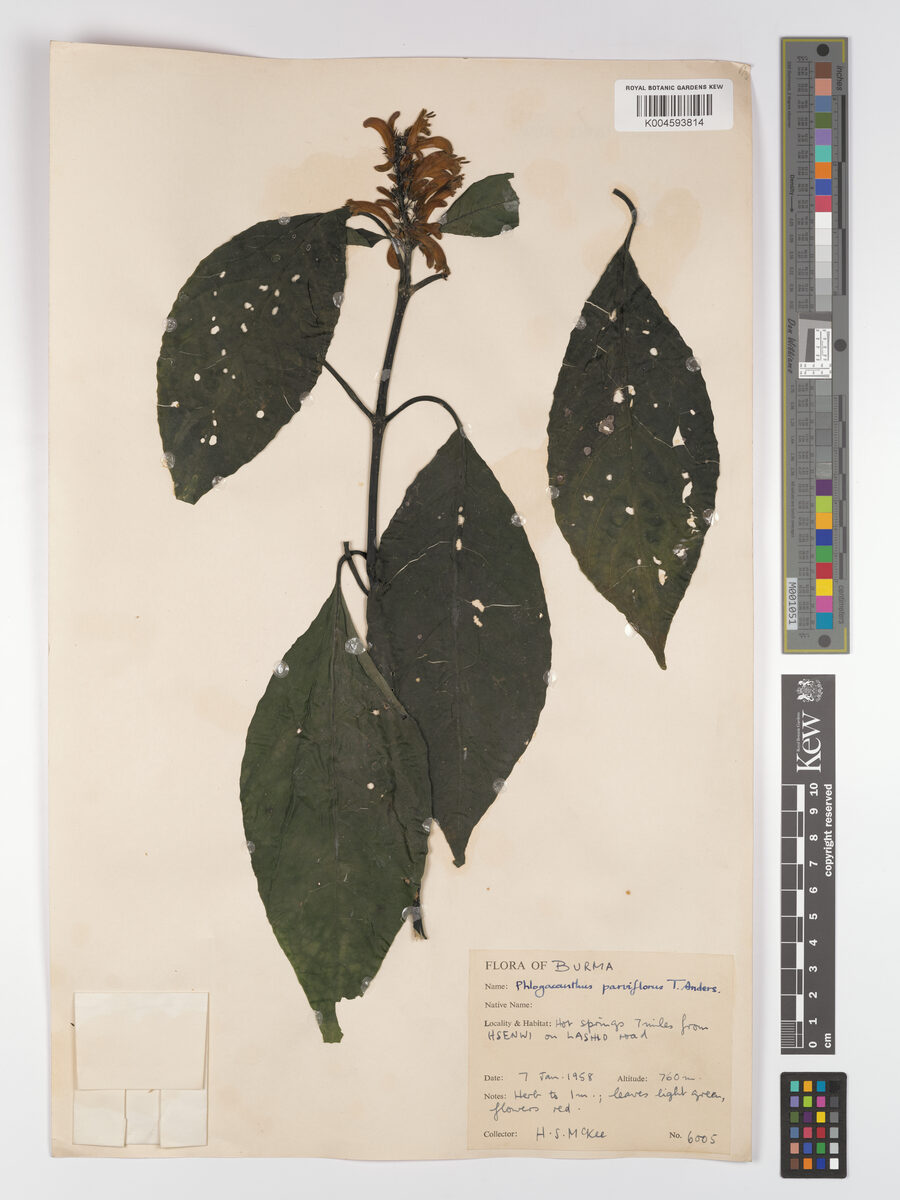
iNaturalist· cc-by-nc
(c) James Steamer, some rights reserved (CC BY-NC), uploaded by James Steamer
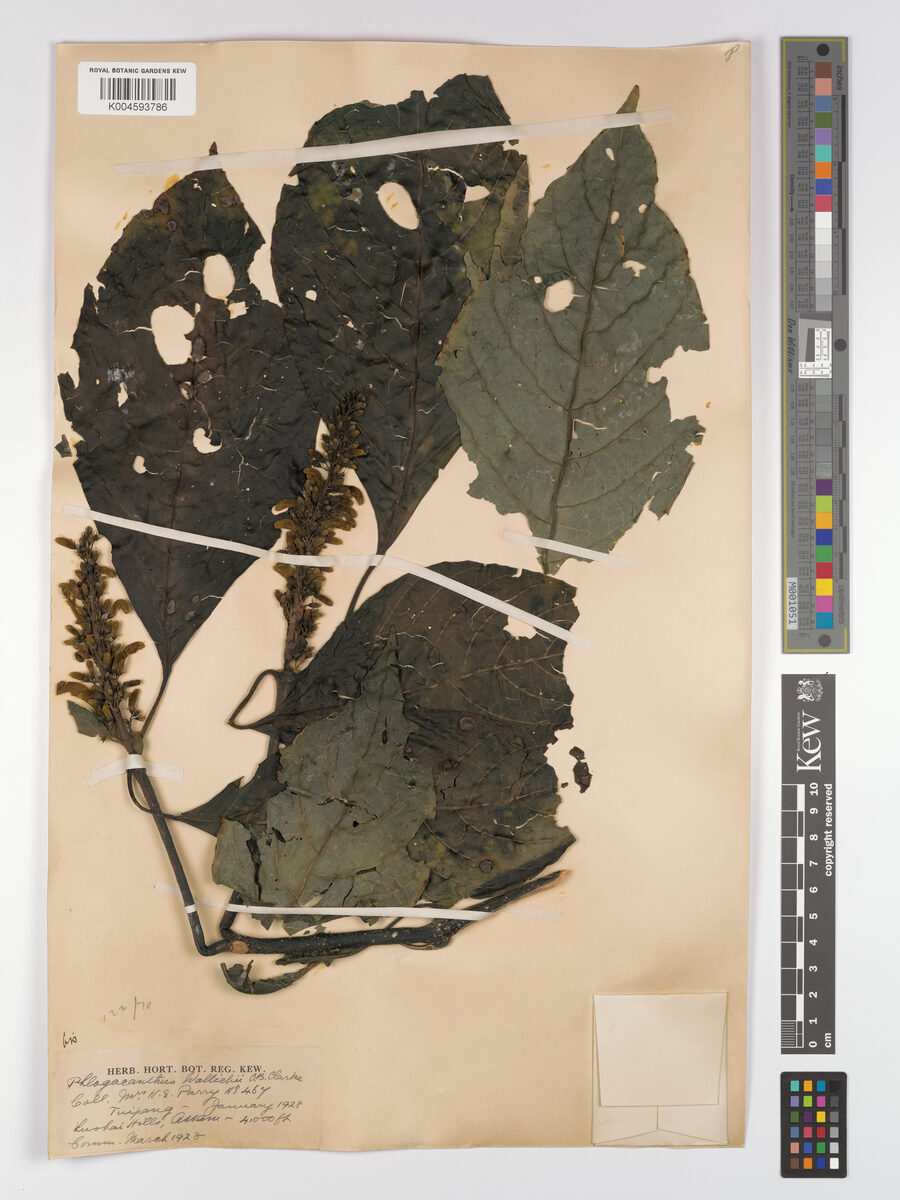
iNaturalist· cc-by-nc
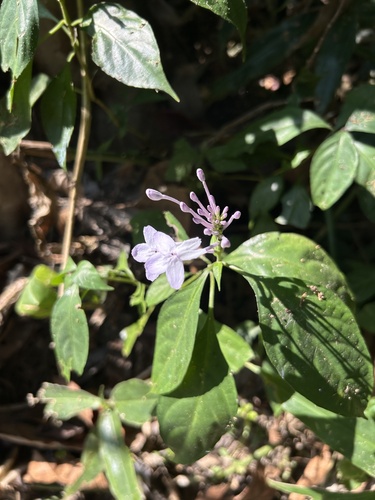
(c) Odile Weber, some rights reserved (CC BY-NC)
Description
A shrub or small tree. It grows 5 m tall. There are prickles along the stem. The leaves are twice divided and there are 8-18 pairs of pinnae. There are up to 50 pairs of pinnules on each pinnae. The flowers are yellow. They are in large clusters at the ends of branches. The pods are flattened.
Edible Uses
The nectar from the flowers is sucked by children.
Medicinal Uses
Traditional uses are noted but not specified in the available data.
Distribution
It is a tropical plant. It needs a well drained soil. It grows between 1,700-3,200 m above sea level. It suits hardiness zones 7-11.
Where It Grows
Africa, Ethiopia,
Other Information
The nectar from the flowers is sucked by children.
Notes
It is an at risk species.
Also Known As
Kosheshle, Koshosha, Kosoruu, Kushashile, Kusheshilie
References (6)
- Alemneh, D., 2020, Ethnobotany of wild edible plants in Yilmana Densa and Quarit Districts of West Gojjam Zone, Amhara Region, Ethiopia. Ethnobotany Research & Applications. 20:47
- Berihun, T., & Molla, E., 2017, Study on the Diversity and Use of Wild Edible Plants in Bullen District Northwest Ethiopia. Hindawi Journal of Botany.Article ID 8383468
- Lulekal, E., et al, 2011, Wild edible plants in Ethiopia: a review on their potential to combat food insecurity. Afrika Focus - Vol. 24, No 2. pp 71-121
- Regassa, T., et al, 2014, Ethnobotany of Wild and Semi-Wild Edible Plants of Chelia District, West-Central Ethiopia. Science, Technology and Arts Research Journal. 3(4): 122-134
- Tebkew, M. et al, 2014, Underutilized wild edible plants in the Chilga District, northwestern Ethiopia: focus on wild woody plants. Agriculture & Food Security 3:12
Show all 6 references Hide references
- Tebkew, M., 2015 Wild and semi-wild edible plants in Chilga District, Northwestern Ethiopia: Implication for food security and climate change adaptation. Global Journal of Wood Science, Forestry and Wildlife. Vol. 3 (3), pp. 072-082